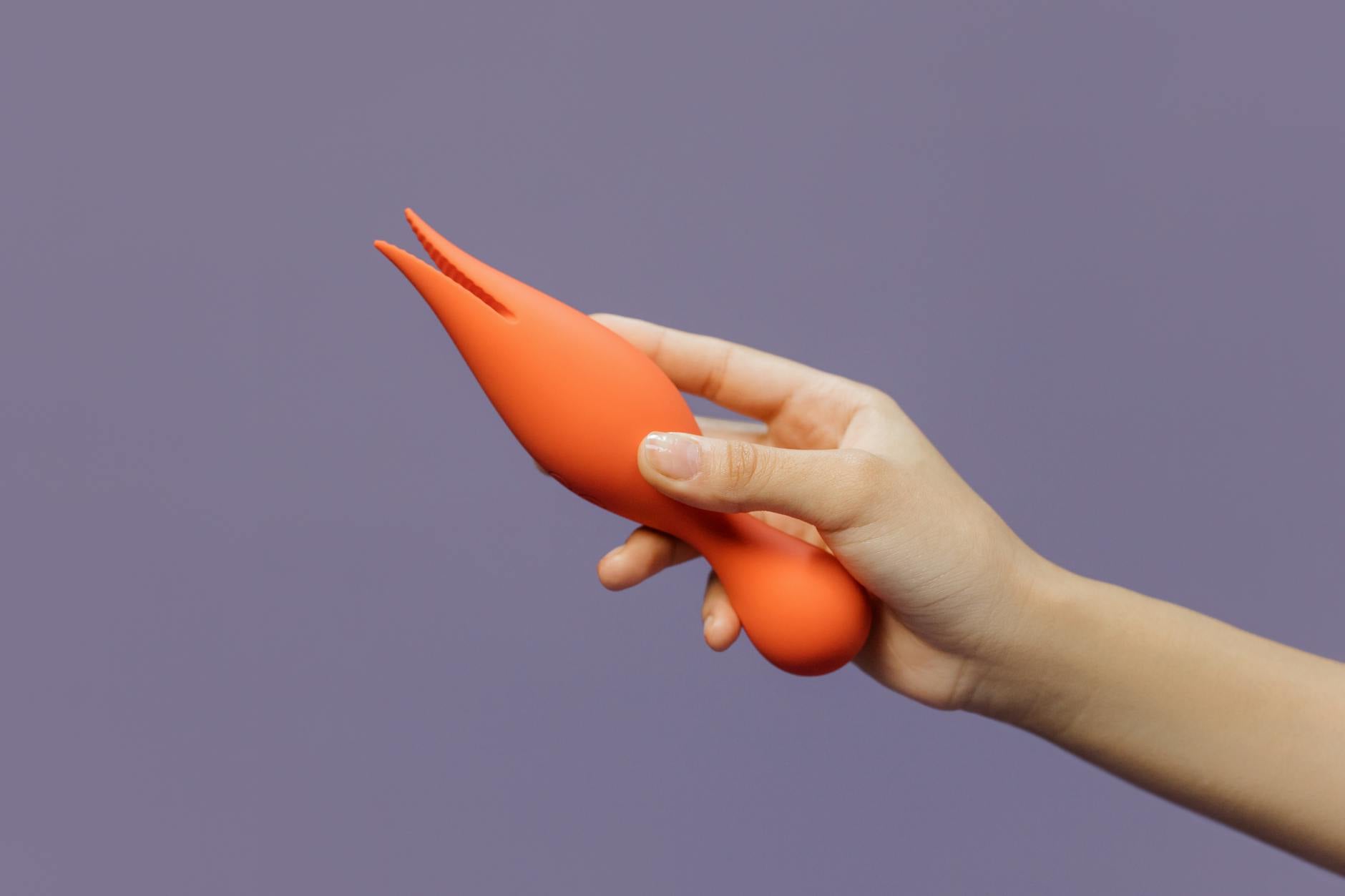
The question nobody actually answers
Let's be real. You've scrolled past both types of lemon vibrators online, noticed the price difference, and wondered which one is actually worth buying. "Air pulse" sounds futuristic and expensive. Traditional vibration sounds dependable and familiar. But which one will actually give you better orgasms?
Honestly? It depends entirely on your body, your sensitivity, and what you're trying to achieve. And the best part is you don't need to guess.
What air pulse stimulation actually does
Air pulse clitoral vibrators work completely differently than traditional vibrators. Instead of mechanical buzzing, they use rhythmic suction and gentle pulsing air pressure around the clitoral head. Think of it like a soft mouth gently sucking rather than fingertips rapidly tapping.
The sensation travels differently through your nervous system. Instead of direct mechanical friction on sensitive tissue, air pulse spreads the stimulation across a broader area of the vulva. This matters because your clitoris has about 8,000 nerve endings, and they're not distributed evenly. Some people respond intensely to direct contact; others find it overwhelming.
When you use an air pulse toy like the Lem, you're stimulating multiple nerve pathways at once. It's indirect, surrounding, and rhythmic. Many people describe it as waves of pleasure rather than constant vibration. The key difference? Air pulse doesn't create the same friction that can lead to desensitization over time.
What traditional vibration does
Traditional vibrators move rapidly back and forth, creating direct mechanical stimulation against the clitoris or surrounding tissue. This is the sensation most people grew up with because it's been the standard for decades.
Vibration travels through your tissue more directly. You feel it as a concentrated buzz, usually strongest exactly where the toy touches you. The intensity is easy to control with speed settings, and you can adjust which part of your clitoris is being stimulated by shifting position slightly.
The upside? Immediate, predictable results. Many people find their rhythm faster and orgasm more efficiently with traditional vibration. The downside? Some people experience numbness with consistent use because the same nerve pathways are being stimulated the same way repeatedly.
Your sensitivity tells you everything
Here's the pattern I notice in my work with couples. People with naturally high clitoral sensitivity often prefer air pulse. Direct vibration feels too intense, almost uncomfortable. The Lem's gentle suction lets them stay in pleasure without tipping into overstimulation.
People who've experienced numbness from other toys, or who find their clitoris less responsive than they'd like, often do better with traditional vibration at first. The more direct stimulation wakes things up. Once sensitivity returns, they sometimes switch to air pulse because they can now feel subtler sensations.
Anyone who's been through antidepressant-related sensation changes, pelvic floor tension, or post-menopausal tissue thinning tends to gravitate toward air pulse. The distributed pressure feels soothing rather than jarring. You can read more about this in our guide on how lemon vibrators improve sensation when antidepressants affect arousal.
The friction factor that nobody discusses
Traditional vibrators create friction. That's their core mechanism. Over months or years of the same friction pattern, some people's nerve endings stop responding as readily. This isn't permanent. It's called accommodation, and it's totally normal nervous system behavior.
Air pulse sidesteps this almost entirely because it's not friction-based. You're not rubbing anything raw. There's no wear pattern on your tissue. This makes air pulse tools especially good if you use them frequently or if you're the type of person who builds tolerance to sensations quickly.
That said, friction is also why traditional vibration can feel so satisfying and direct for people who love it. The pressure creates traction that some bodies need to reach orgasm.
Partner dynamics change everything
If you're using a toy with a partner, the stimulation style matters differently. Traditional vibration is often easier to incorporate into partnered sex because it's smaller, more familiar, and doesn't feel as clinical. Air pulse toys tend to be larger and more specialized, which can feel like a bigger statement in the moment.
Some partners feel less intimidated by traditional vibration because it's "standard." Others love air pulse specifically because it's novel and feels more playful. The Lem can work beautifully in partnered scenarios, but you both need to be on board. Check out why lemon vibrators work better for couples rebuilding intimacy for more on navigating this together.
Speed, intensity, and control
Traditional vibrators usually offer multiple speed settings. You can start low and build gradually. This control matters for arousal building and for people who need time to get comfortable.
Air pulse toys also have speed or intensity settings, but they're often fewer options and they feel more subtle. Some people love this because it forces them to relax and surrender rather than chase a specific setting. Others find it frustrating because they want more precision.
If you're someone who likes control and gradual escalation, traditional vibration gives you that. If you're someone who wants to press a button and feel immediately transported, you might prefer the more intense, all-in experience of air pulse.
The desensitization conversation (for real this time)
Every conversation about vibrators eventually hits desensitization. The truth is more nuanced than "vibrators ruin your ability to orgasm with a partner." That's not how bodies work.
What actually happens is this. If you use the same tool at the same speed in the same way multiple times a week for years, your nervous system adapts. You need more intensity to feel the same sensation. This is accommodation, and it's reversible. Take a break for a few weeks and your sensitivity returns.
Air pulse users experience this less frequently because the sensation itself is more varied. The suction and pulse change throughout each cycle. Your nervous system isn't hitting exactly the same stimulus pathway repeatedly.
Traditional vibrator users who want to avoid accommodation can rotate between speed settings, change position frequently, and take regular breaks. Or they can switch to air pulse periodically and come back to vibration feeling fresh.
How to actually test which one works for you
You don't need to commit to one type forever. Here's how I'd approach it practically.
If you've never used an air pulse toy, start by borrowing one or buying from a retailer with a good return policy. Use it consistently for two weeks before deciding. Your body needs that adjustment period. What feels weird at first often becomes incredible once you understand the rhythm.
Same with traditional vibrators if you're considering switching. Give yourself time to rediscover what that sensation offers rather than assuming you've outgrown it.
Pay attention to how your body feels after. Are you sore? Numb? Energized? Satisfied? Your post-orgasm feedback is the best metric for what's actually working.
The cost question
Air pulse toys are usually more expensive because the engineering is more complex. The Lem costs more than a basic traditional vibrator, and the price reflects the technology.
But expensive doesn't mean better for you. Some people are genuinely happier with a $65 traditional vibrator than a $200 air pulse toy. Your pleasure isn't determined by price tag. It's determined by whether the stimulation pattern matches what your nervous system wants.
If you're budget-conscious, start with traditional vibration and upgrade to air pulse later if you want to experiment. If you have the means and want to start with what's most likely to feel different and surprising, air pulse is worth the investment.
What I tell my clients at the end of this conversation
Your body is the expert here, not the marketing copy or the price point or what your friends prefer. The only way to know which stimulation style actually works for you is to try it and pay attention to how you feel.
Neither air pulse nor traditional vibration is objectively better. They're just different tools for different bodies and different moments. Some people end up using both, rotating based on mood, sensitivity, and what their body needs that week.
The real win is knowing you have options and permission to choose based on what feels good to you, not on what you think you should want.
People also ask
Is air pulse stimulation better than vibration for everyone?
No. Air pulse works beautifully for some people and doesn't resonate with others at all. Some people find air pulse too gentle and want more direct stimulation. Others find traditional vibration too intense. The best choice is determined by your individual sensitivity, what you've responded to in the past, and what your body needs right now.
Can you build a tolerance to air pulse the way you do with vibration?
It's less common because air pulse stimulation is inherently more varied. The pulsing pattern changes throughout the cycle, so your nervous system isn't hitting exactly the same stimulus pathway repeatedly. That said, any form of consistent stimulation can lead to accommodation over time. Taking breaks helps with both types.
If I hate traditional vibrators, will I like air pulse?
Very likely, but not guaranteed. Air pulse feels fundamentally different. It's gentler, more surrounding, and more rhythmic. If traditional vibration felt too intense or numb-inducing, air pulse is definitely worth trying. But some people simply don't enjoy vibration-based stimulation in any form, and that's completely valid.
How do I know if my body responds better to air pulse or vibration?
Start with one type and use it consistently for at least two weeks. Your body needs adjustment time. Pay attention to how easily you reach orgasm, how your clitoris feels during and after, whether you experience numbness, and whether you're genuinely excited to use it again. That feedback tells you everything.
Can I use air pulse and traditional vibrators at different times?
Absolutely. Many people rotate between them. You might use air pulse when you want something gentler and traditional vibration when you want more intensity. Alternating actually helps prevent desensitization because your nervous system stays responsive to both patterns.
What about lemon vibrators specifically? Are they only air pulse?
Lemon toys come in multiple styles. The Lem is air pulse. But lemon clitoral vibrators also exist in traditional vibration forms. The brand you choose matters less than understanding whether you're getting air pulse or vibration technology so you can make an informed decision based on what your body actually wants.