Here's what nobody tells you about desire after a major life shift
Job loss. Relocation. A relationship breakup. A health diagnosis. A career pivot. Caring for a dying parent. Having a child. The list goes on. What these all have in common is that they obliterate desire almost instantly. Not because you're broken, and not because the pleasure circuits in your brain stopped working. They stopped working because your nervous system is in survival mode.
When everything else is chaotic, your body downshifts pleasure. It's a feature, not a bug. But after the acute crisis passes, desire often doesn't bounce back automatically. That gap between crisis and recovery is where people get stuck, and it's also where many relationships start to quietly crack.
Why life disruptions kill desire first
Think of your nervous system like a budget. In a crisis, pleasure is the first thing you cut. Your body redirects resources to managing stress, hypervigilance, and emotional overwhelm. Cortisol spikes. Your pelvic floor tightens. Sexual thoughts feel almost frivolous when you're processing something massive.
But here's the twist: pleasure doesn't stay gone because the crisis is still happening. It stays gone because you've trained your body to believe that feeling good is unsafe or selfish right now. Even after the external pressure eases, your nervous system hasn't been told it's okay to relax back into sensation.
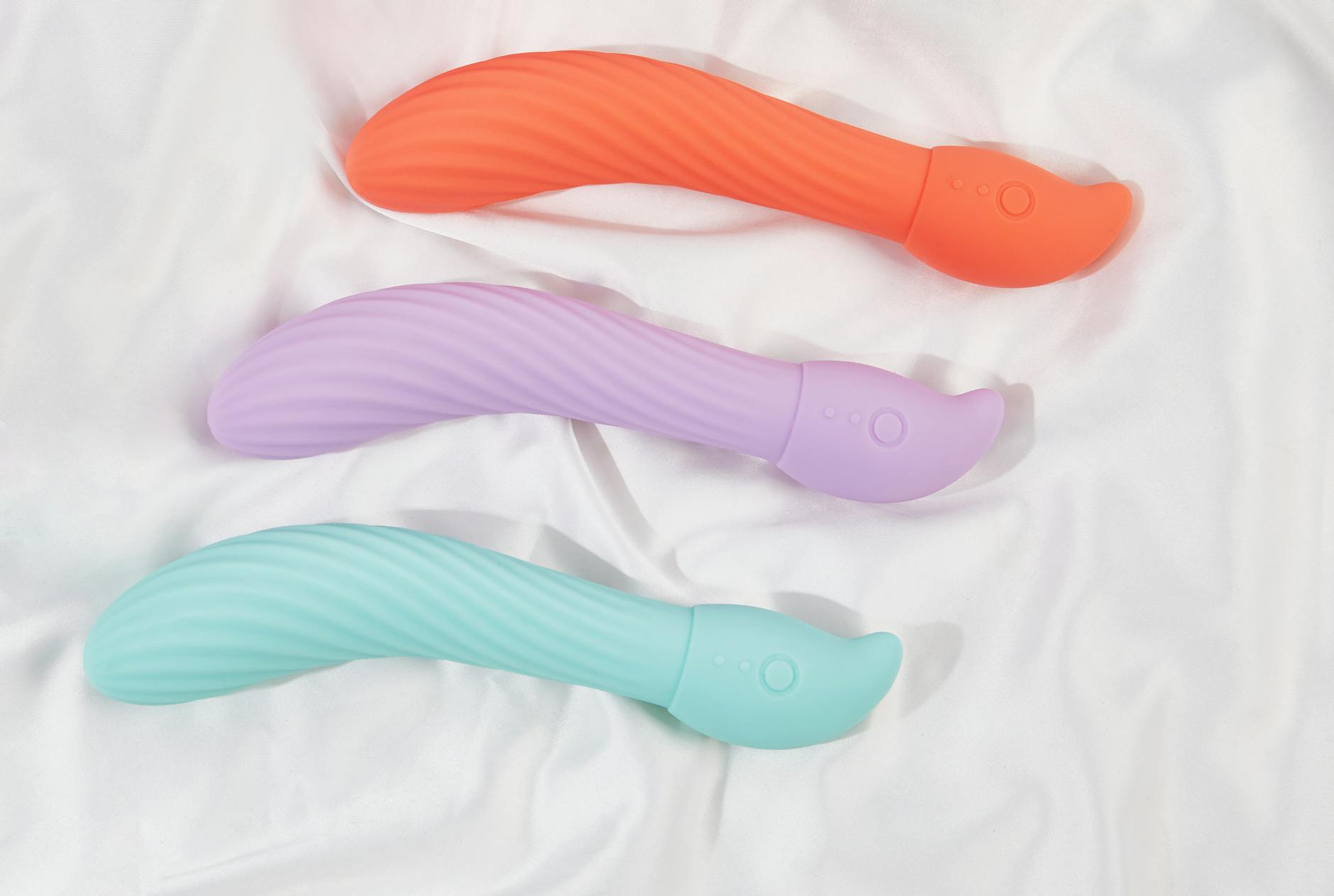
That's where this becomes a body project, not a willpower project. And that's where a lemon clitoral vibrator becomes surprisingly useful.
Why solo exploration comes before partnered sex
If you're in a relationship, the instinct is to wait for desire to return so you can reconnect with your partner. That makes sense logically. It's also backward.
Rebidding desire solo first gives your nervous system permission to access pleasure without the added pressure of performing for someone else. You're not trying to be sexy. You're not watching your partner's face. You're not managing their expectations. You're just learning what feels good in your body again.
When you rebuild that sensation alone, you actually have something real to bring back to a partner. Not obligation. Not a forced attempt to be what you used to be. Actual, embodied desire.
Starting small: the lemon vibrator advantage for nervous systems
If your desire is sleeping, starting with a full-throttle vibrator can feel jarring. Your body isn't ready for intensity. That's why I often recommend people in this position start with a lem vibrator or similar clitoral suction toy. Here's why.
Air-pulse clitoral stimulation feels gentler and more diffuse than traditional vibration. It's not drilling directly into your clitoris. It's creating a subtle suction sensation that wakes up nerve endings without overwhelming them. For someone whose nervous system is still catching its breath, that matters.
Also, the sensation is so different from standard vibration that it genuinely feels novel. Novelty helps. Your brain perks up. Pleasure becomes interesting rather than obligatory.
The actual protocol: rebuilding from zero
Week one: just touch, no vibrator
Start by spending five to ten minutes in a warm bath or shower, hands on your vulva and clitoris, no agenda. Not trying to orgasm. Not trying to feel aroused. Just noticing what sensation is there. Cold? Numb? Tender? Irritable? Whatever it is, that's the baseline.
Do this three times that week. Your nervous system needs to learn that you're paying attention to pleasure again without expectation.
Week two: add the lemon vibrator on the lowest setting
Same warm bath or shower. Same five to ten minutes. This time, use your Hello Nancy lemon clitoral vibrator on pattern one or two. Just hover it near your clitoris, not directly on it. Get used to the sensation. Let your body be confused. Let it be mildly interesting. That's enough.
Do this three times.
Week three: increase time and proximity
Same setup. Increase to ten to fifteen minutes. Move the vibrator a little closer. See if you can access any arousal building. Still not chasing an orgasm. Just noticing whether your body is waking up.
If you feel nothing, that's okay. That's actually information. Your nervous system is telling you it's still not safe. You might need more time, or you might need to address the underlying stressor.
Week four onward: let it evolve
If pleasure is starting to return, you now have real signals to follow. Increase time, intensity, or focus based on what actually feels good, not what you think should feel good.
Many people report that after three to four weeks of this gentle exploration, desire starts shifting. Not dramatically. But noticeably. The vulva becomes less numb. Orgasm becomes more possible. Most importantly, pleasure starts feeling safe again.
When a partner is in the picture
If you're rebuilding desire in a relationship, tell your partner what you're doing. Not graphically. Just factually: "My nervous system needs some time to reconnect with my body. I'm doing some solo work. I'm not ready for partnered sex yet, but I will be. This isn't about you."
Then stick to it. Don't let a partner's impatience shortcut the process. A lemon vibrator is not a shortcut to faster desire. It's a tool for rebuilding from the inside out. That takes time.
Once you've spent three to four weeks rekindling solo sensation, then you can talk about bringing your partner back in. And when you do, you'll have actual embodied pleasure to share, not just an obligation.
The reality of rebuilding
Desire doesn't return in a straight line. You'll have days where sensation feels alive and electric. You'll have days where everything feels dead again. That's normal. Life is still happening. You're still processing. Your body is still learning it's safe.
The lemon vibrator doesn't fix this. It just gives you a consistent, gentle way to practice pleasure while the rest of your life stabilizes. It's the body equivalent of showing up. And showing up matters.
After a major life change, your nervous system doesn't need you to force desire back. It needs you to remind it, patiently and repeatedly, that pleasure is still possible. That it's safe to feel good again. A lemon clitoral vibrator is a concrete way to do that.
People also ask
How long does it usually take to rebuild sexual desire after a major life change?
Desire typically begins shifting within four to eight weeks of consistent, low-pressure solo exploration. That said, the timeline depends entirely on what you're processing. If you're grieving a loss, recovering from a health crisis, or managing a new medication, you might need longer. The key is not to rush. Desire that's forced is desire that'll evaporate the moment stress returns. Better to give it the time it actually needs.
Can using a lemon vibrator help if my desire never came back after my last relationship?
Absolutely. A clitoral vibrator can rewaken sensation even if it's been dormant for years. Many people find that solo exploration with a tool like a lem vibrator helps them access pleasure they thought was gone. The bonus: you're doing this for you, not for anyone else. That changes everything.
Is it normal to feel nothing when I first use a lemon clitoral vibrator after a long break?
Completely. Numbness is one of the most common responses when desire has been dormant. Your vulva might feel less sensitive. Your clitoris might feel unreactive. That doesn't mean the sensation will never return. It means your nervous system is still offline. Keep showing up. Sensation usually comes back within a few weeks of gentle, consistent practice.
Should I tell my partner I'm using a lemon vibrator to rebuild desire?
Yes, if you're in a committed relationship. Keep it simple: "I'm using solo time to reconnect with my body. I'm not shutting you out. I'm getting ready to let you back in." Partners often feel relieved when they understand this is rebuilding, not rejection. Just make sure you follow through. Tell them when you're ready to bring them back in, and actually do it.
What if I'm doing the lemon vibrator protocol and nothing changes after four weeks?
That's a signal that something deeper is happening. Maybe the stressor hasn't actually resolved. Maybe there's depression or anxiety in the mix. Maybe there's a relationship issue that's still simmering. At that point, it's worth talking to a therapist or counselor, not doubling down on the vibrator. Pleasure is a symptom of nervous system health. If it's not returning, your nervous system might need more support than solo work can provide.
Can I use a lemon vibrator while I'm still in the middle of a major life change?
Yes, but manage expectations. If you're in active crisis, you might not feel arousal, and that's fine. Use it as a body check-in, not a pleasure chase. As the acute stress settles, sensation usually returns. Some people find that even gentle vibrator use during stress helps them feel grounded and reminds them that their body still exists. That's valuable too.