The arousal shift nobody warns you about
Here's the thing: after 40, your body doesn't want the same warm-up anymore. Your clitoris needs more time. Blood flow builds slower. The kind of quick five-minute spark that worked at 25 now feels like trying to start a car in winter without letting the engine turn over first.
That doesn't mean you stop having pleasure. It means you stop wasting time fighting your actual physiology and start working with it.
What changes in your nervous system
Around 40, two things happen simultaneously. Your parasympathetic nervous system (the one that kicks into arousal mode) takes longer to activate. At the same time, your cardiovascular system needs more priming to pump blood to the tissues where you need it. This is so normal that studies show it happens to roughly 70 percent of people over 40, yet almost nobody talks about it.
The second shift is equally important: your clitoral tissue actually becomes more sensitive in some ways, especially to sustained pressure and rhythm. You're not less capable of orgasm. You're different. And different, with the right tools, often means better.
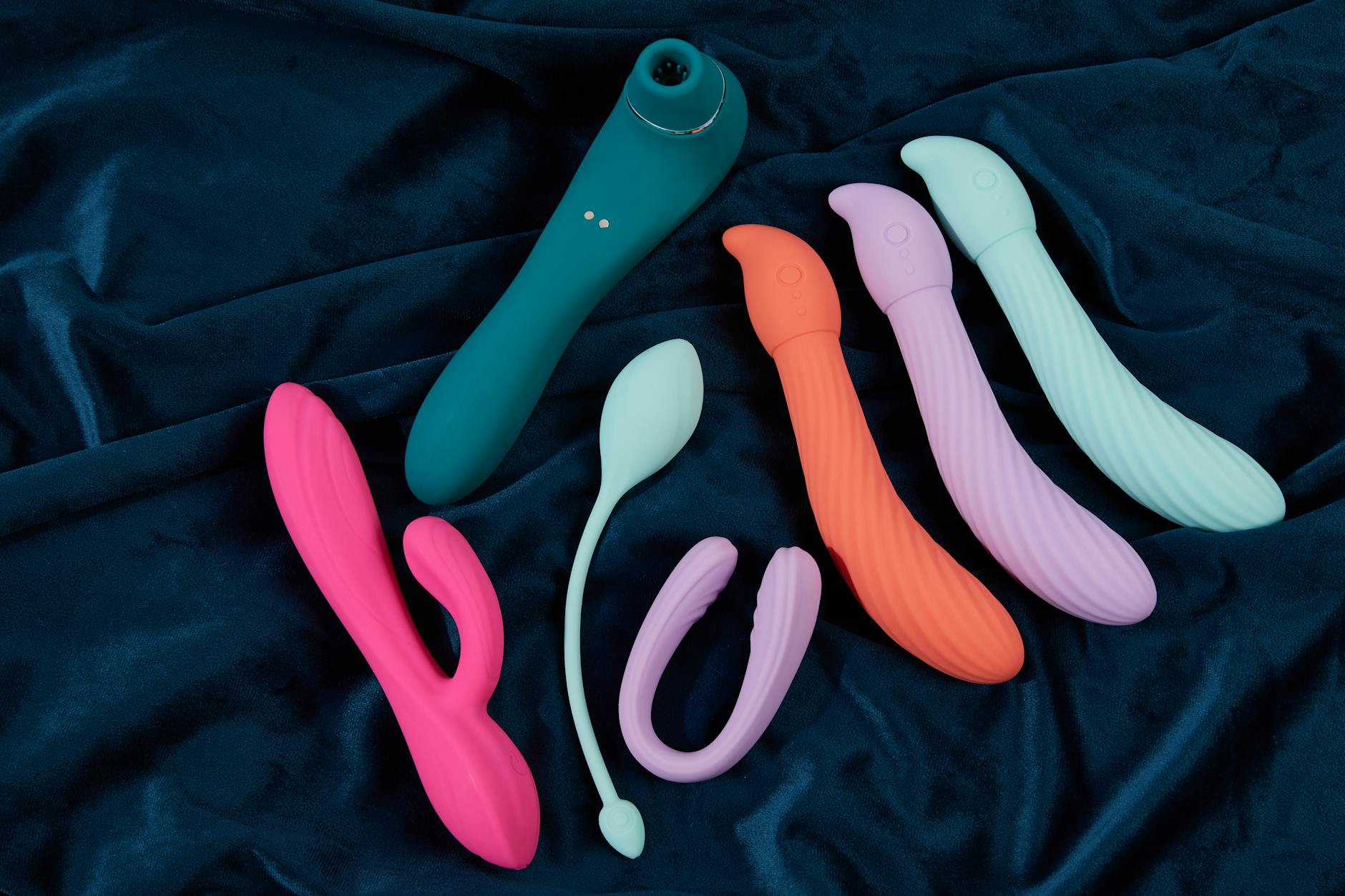
Why? Because now you have permission to slow down. Because your body has figured out what it actually wants instead of performing what it thinks it should. And because lemon vibrators, especially air-suction devices, work brilliantly with a body that needs sustained, building pressure rather than rapid-fire stimulation.
Why air pulse lemon vibrators suit bodies over 40
Let's be direct: a traditional vibrator buzzes quickly. For a lot of bodies over 40, that rapid frequency can feel one-note or even slightly numbing after a few minutes. Air-suction lemon vibrators work differently. They create a seal and pulse, which builds intensity gradually and mimics the kind of sustained pressure that works better when arousal is slower.
Here's what makes them ideal for your timeline:
Sustained sensation without overwhelm. Air pulse lemon vibrators start gentle and layer in intensity as you go. You're not getting maximum buzz from second one. You're building a plateau, which is exactly what your nervous system needs when it's warming up at a slower pace.
Blood flow follows rhythm. The pulsing action encourages blood to fill the clitoral tissues gradually. This is especially helpful after 40, when circulation is less automatic. Over five to fifteen minutes, you feel arousal actually building instead of plateauing.
Texture matters more now. At 40-plus, most people find they want consistent texture rather than variation. Air-suction lemon vibrators deliver exactly that. You're not chasing different settings; you're deepening into one.
The actual warm-up timeline that works
Forget the old expectation. Here's a timeline that actually makes sense for a body over 40 using a lemon vibrator or similar clitoral vibrator:
Minutes 0-3: Mental arrival. Put your phone down. Close the door. Your brain needs to get there before your body will follow. This is not wasted time. This is foundation.
Minutes 3-8: Light touch and exploration. Use the lemon vibrator on settings 1 or 2. You're not looking for an orgasm yet. You're looking for the sensation to start feeling good. Notice what pressure feels right. Does your body want slower pulses or a bit more intensity? This is research.
Minutes 8-15: Building. Nudge up to settings 3 or 4. You should feel arousal deepening now. Pleasure building. Your breathing might change. This is normal and right.
Minutes 15-25: Approach. Some people find their strongest sensations happen here, at sustained medium intensity. Others keep climbing. There's no deadline. Your body gets to take the time it needs.
25+ minutes: Orgasm or continued pleasure. Orgasm may happen. It may not. Both are completely fine. What matters is that you're feeling good and there's no performance pressure.
This timeline isn't slow. It's honest.
The physical adjustments that amplify sensation
Timing is only half the battle. Here's what actually gets you to stronger orgasms:
Use water-based lubricant throughout. After 40, tissues get less naturally lubricated. This isn't about being broken; it's about friction. Lube lets the lemon vibrator move smoothly and intensifies sensation instead of creating drag. Reapply every ten minutes without thinking twice.
Position matters for over-40 bodies. Lying back with a pillow under your hips tilts your pelvis and changes pressure. Some people find this opens up sensation they couldn't access before. Experiment and notice what your body prefers.
Pelvic floor breathing gets overlooked. Before you start, spend thirty seconds breathing into your pelvic floor. Imagine breathing warmth into that region. When you actually start, your tissues are more awake and responsive. This alone changes the experience.
Edge-building is your secret weapon. Let yourself get close to orgasm, then pull back. Wait thirty seconds. Start again. This is not denial. It's teaching your nervous system to recognize and amplify arousal signals. After three to five cycles, the actual orgasm is often dramatically more intense.
Why sensation feels different (often better)
After 40, you might notice orgasms feel different. Sometimes they're more localized. Sometimes they're less intense than they used to be. Sometimes they're way more intense, but in a different zone. This is real, and it's worth knowing.
The reason is partly neurological. Your nervous system has changed. But it's also partly because you're finally using tools that match how your body actually works instead of trying to fit yourself into a mold designed for someone's body at 25.
Many people report that their most powerful orgasms happen in their forties and fifties, especially once they stop fighting their timeline and start exploring it. This isn't mystical. It's what happens when you stop performing and start paying attention.
When to see a doctor
If arousal is completely absent despite good effort, or if there's pain that wasn't there before, those are signs to check in with a gynecologist or menopause specialist. But slow arousal? That's normal. That's just your body at 40-plus.
Don't let anyone convince you that your pleasure has a deadline. It doesn't. It just has a different timeline now. And when you work with that timeline instead of against it, the destination is often more worth the wait.
Stronger orgasms happen in the slow lane
Your body over 40 is not broken. It's evolved. It knows what it wants. It's willing to take time to get there. That's not a liability. That's an asset. Use a lemon vibrator or air-suction clitoral vibrator as an invitation to slow down, pay attention, and discover what pleasure actually feels like when you're not rushing. The orgasms that follow will prove it was worth the wait.
If you're curious about which tool might work best for your body, we're here to help. Reach out anytime at Hello Nancy.
People also ask
How long should arousal take after 40?
There's no universal timeline, but 10 to 20 minutes of consistent stimulation is common and completely normal after 40. What matters is that you're not fighting your body's pace. If it takes longer, that's not a problem. It's just information about what your nervous system needs.
Do lemon vibrators work better than traditional vibrators for slower arousal?
For many people over 40, yes. Air-suction lemon vibrators and similar clitoral vibrators build intensity gradually instead of delivering maximum buzz immediately. That sustained pressure works better with slower arousal patterns. That said, every body is different. Some prefer traditional vibration. The best tool is the one that feels right for you.
Can you have stronger orgasms after 40?
Absolutely. Many people report their strongest orgasms happen in their forties and beyond, especially once they stop expecting their body to work like it did at 25. When you work with your actual physiology instead of against it, pleasure often deepens.
Is it normal for orgasms to feel different after 40?
Completely normal. Orgasms might feel more localized, last longer, or have a different quality of intensity. This is because your nervous system and blood flow patterns have shifted. Different doesn't mean worse. Often it means more interesting.
Should I use lubricant with a lemon vibrator every time?
Yes. Even if you produce natural lubrication, adding water-based lube improves sensation and reduces friction, which matters more after 40 when tissues change. It's not about fixing a problem. It's about optimizing what already works.
What should I do if arousal still feels difficult after trying these approaches?
Consider checking in with a gynecologist or menopause specialist. Hormonal changes, medications, or stress can all affect arousal. A professional can help identify what's actually happening and whether support like topical estrogen or other treatments might help. You deserve to feel good.