The thing nobody tells you about desire in your 40s
Desire doesn't disappear at 40. It reorganizes. And if you're not expecting that reorganization, it feels like loss.
I've worked with hundreds of couples navigating this shift, and the story is almost always the same. Someone (usually a partner with a vulva) notices they're not thinking about sex as much. Or they're thinking about it, but the wanting doesn't land the same way. The spontaneous pull isn't there. It takes longer to get interested. And because they've been told for decades that desire equals love, they panic.
Here's what actually happens: your brain, your body, your life, and your hormones are all in transition simultaneously. Kids leaving home. Career plateaus. Aging parents. Relationship patterns you've been running for two decades suddenly feel visible. Add perimenopause or menopause, and your estrogen and testosterone are rewriting how your nervous system responds to stimulation.
That's not a character flaw. That's biology colliding with life.
Why desire shifts differently than you think
Most people assume low desire means "I don't want my partner anymore." It usually means something else entirely.
Desire has a sensitivity threshold. When you're 25, that threshold is low. A text from your partner, a glance, context clues can flip the switch. By 45, your threshold has climbed. You need more novelty, more intention, more direct stimulation to cross that neural activation point. You need your brain in the room, not running a background process of household logistics.
That's not a bad thing. It's an upgrade, actually. You're no longer running on automatic. You're choosing.
But here's where most couples get stuck. They interpret the higher threshold as "the desire is gone" instead of "the desire has a different entry point." So they stop trying. Or they try the old formula and it doesn't work, which confirms their fear.
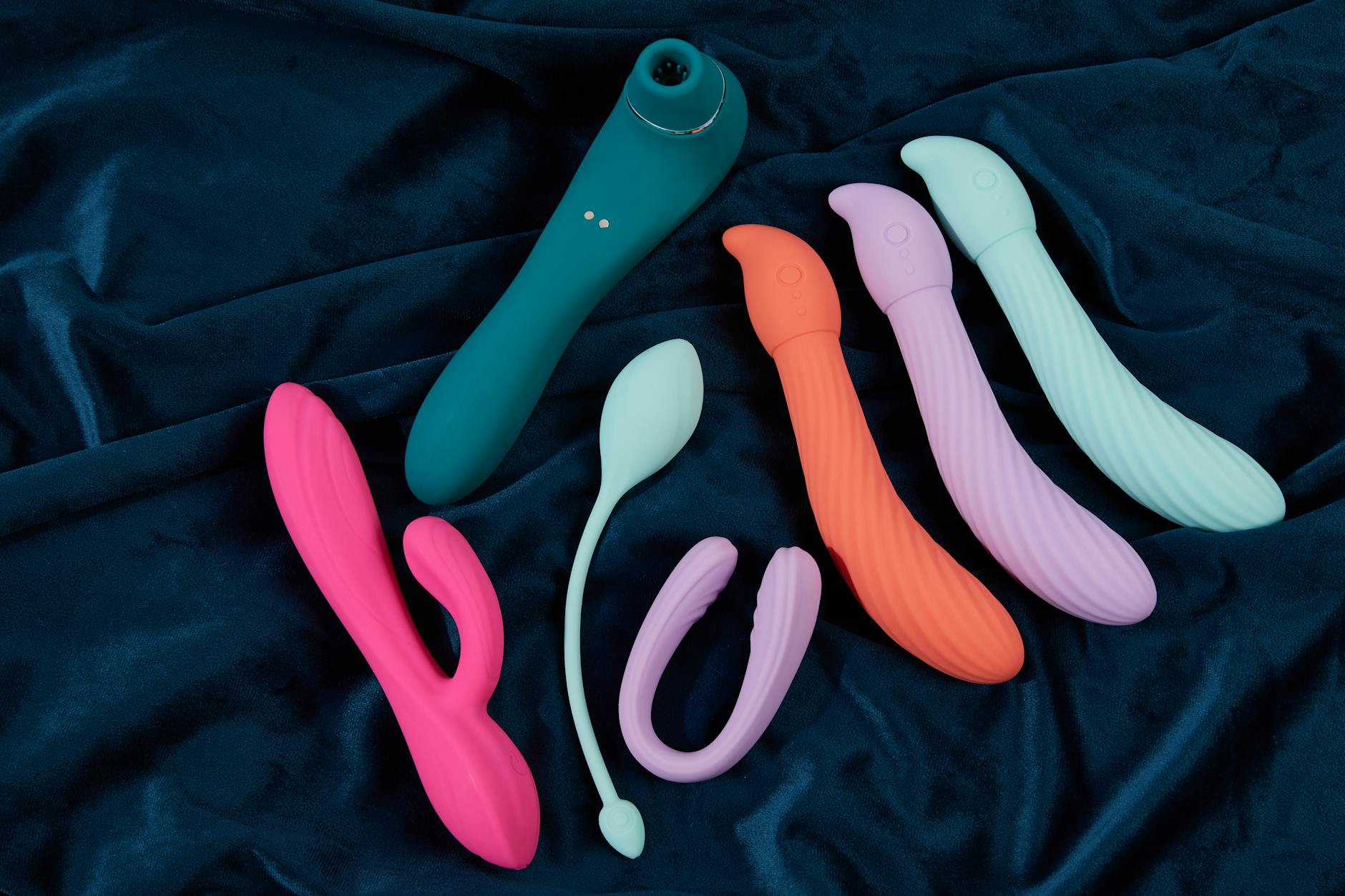
Clitoral vibrators like a lemon vibrator work here because they bypass the whole problem. They don't ask your brain to generate spontaneous desire. They create direct sensation that your body recognizes, which often wakes up the desire that was sleeping, not dead.
The midlife shift is also a relational thing
Let me be direct. When desire drops in your 40s and 50s, it's not only hormones. It's also whether you still feel seen by your partner. It's whether resentment has built up. It's whether you've been touching each other at all, or whether you've been managing logistics for fifteen years.
A lemon vibrator can't fix a broken emotional relationship. But it can interrupt a stuck pattern.
If you and your partner have stopped touching altogether, introducing a toy can feel like permission to start again. If you've been waiting for your partner to initiate and they never do, a clitoral vibrator gives you autonomy. If you're angry and haven't said so, that's a separate conversation. But if you're just... tired and out of practice... a lemon vibrator can be a physical reset.
How to actually introduce this when desire is low
First, stop framing it as "fixing" the low desire. Frame it as "exploring what feels good right now."
There's a reason I specify this. When you're already anxious about your desire, the last thing you need is pressure to perform for a toy. So here's what actually works.
Start solo. Use the lemon vibrator on your own, with zero performance expectations. Twenty minutes. Just sensation. This serves two purposes. You remember what pleasure feels like without your brain running a commentary track. And you learn what settings and patterns actually work for your body right now, which is different than at 25.
Build in foreplay. Don't jump straight to the toy. Spend 10-15 minutes on kissing, touch, conversation. Get your nervous system activated first. This matters because midlife bodies have a longer arousal ramp. You're not broken. You just need a longer warm-up.
Keep talking. Use the vibrator while also talking with your partner. "This feels good here." "Slower." "Stay here." Your voice, engaged, keeps your brain in the game. It also reminds your partner that you're actually present, which often rebuilds connection faster than silence.
If you're using a lemon vibrator, start on a lower pattern. Air-suction stimulation is less directionally intense than vibration, so even if you're sensitive, it usually feels more accessible.
The real thing that rebuilds desire
Here's what I see happen most often.
A couple introduces a lemon vibrator when desire has stalled. They're nervous. They don't know if it will work. And then sensation happens. The person with low desire feels something clearly. Their partner is present. There's novelty.
And often, just like that, something shifts. Not because the vibrator is magic. But because touch and presence came back. Because the person with low desire remembered that pleasure is available. Because the message from the toy isn't "perform" but "your body still works, and you still matter."
Desire doesn't stay flat once you've cracked that door open. It rebuilds. Sometimes slowly. But it rebuilds because you've interrupted the stuck pattern.
When to dig deeper
If low desire persists even after you've tried this, and you're in a committed partnership, that's the moment for a real conversation with your partner and probably with a therapist who specializes in desire dynamics. Low desire can signal depression. It can signal unprocessed resentment. It can signal a mismatch between what you actually want and what you think you should want.
A vibrator is a tool, not a diagnosis. But it's often the tool that creates enough pleasure and safety for the real conversation to start.
The midlife shift in desire is real and it's normal. But normal doesn't mean you have to accept flatness. You can rebuild this. It often looks different than it did at 30. It's slower, more intentional, more honest. And for a lot of couples, it's actually better.
People also ask
Can a lemon vibrator actually increase desire that's genuinely gone?
A vibrator can't manufacture desire that isn't there. But it can wake up desire that's dormant. If your desire has flatlined because you've stopped touching each other or because you're exhausted, a lemon vibrator often rekindles it by reintroducing direct sensation and novelty. If your desire has vanished because you resent your partner or because you're severely depressed, that needs different support. The vibrator is the reset button, not the solution.
Is using a lemon vibrator with low desire a sign the relationship is ending?
No. It's usually the opposite. When couples introduce toys specifically because desire has dropped, they're saying "I want this to work." They're trying something new. That's a sign of investment, not breakdown. The couples who actually break are the ones who notice low desire and do nothing about it for five years.
How often should we use a clitoral vibrator if we're trying to rebuild desire?
Start with once or twice a week, ideally with your partner present. Keep it low-pressure. You're not trying to achieve anything except pleasure and reconnection. As comfort and desire increase, frequency can shift naturally. Some couples use a lemon vibrator multiple times weekly. Others find once a week is their rhythm. What matters is consistency and presence, not frequency.
Does desire naturally drop in your 40s and 50s for everyone?
Most people experience some shift in desire during midlife, but not everyone experiences it as loss. Hormonal changes, life stress, and relational patterns all play a role. Some people actually report higher desire after 40 because the pressure and performance anxiety finally lifted. The drop is common, but it's not inevitable, and it's absolutely addressable.
Can I use a lemon vibrator if I'm on hormonal birth control or hormone therapy?
Yes. A lemon vibrator is neutral in terms of hormones. If you're on hormone therapy or birth control, a vibrator often works even better because you're getting direct clitoral stimulation without relying solely on spontaneous desire. The tool adapts to your hormonal situation, not the other way around.
What if my partner thinks introducing a toy means they're not enough?
That's a conversation worth having before you introduce anything. Sometimes partners worry that a vibrator replaces them. You're actually inviting them closer. The goal isn't to choose the toy over them. It's to rebuild sensation and connection as a team. Frame it that way. Show them how you want them involved. Often, the act of using a lemon vibrator together becomes one of the most intimate things a couple does because it requires vulnerability and presence from both people.
The real path forward
Desire in your 40s and 50s isn't broken. It's changed. And changed isn't the same as gone. A lemon vibrator can be the reset you need, the permission to reconnect, or the novelty that wakes your body up. But the real work is the conversation, the presence, and the choice to keep touching each other even when the spontaneous pull has quieted.
Your pleasure matters at 45 just as much as it did at 25. Sometimes you have to remind yourself of that. Sometimes you need a tool to help. And sometimes, that's all it takes to rebuild what looks lost but is actually just waiting for you to pay attention again.
If you're navigating this shift and want real support, consider reaching out. Desire patterns are workable, and midlife reconnection is possible.