Let's be real about what perimenopause does to sex
Perimenopause is not a destination. It's a 5-10 year stretch where your hormones swing like a pendulum with no rhythm. One week your body responds fast and easily. The next week, arousal feels like it's moving in slow motion. This isn't broken. It's biology in motion.
The problem is that most people don't realize perimenopause is happening until sex has already started feeling different, and they've spent months wondering if something's wrong with them or their relationship. By the time they figure it out, they've often stepped back from sex altogether.
If you're here because you've taken a break from sex during perimenopause and you're trying to find your way back, you're not starting from zero. You're starting from a body that's shifting, and the right tools matter.
How perimenopause changes sensation and timing
Estrogen fluctuates wildly during perimenopause. Unlike menopause, where estrogen drops steadily, perimenopause is erratic. One month it's high, the next it crashes, then it rises again. This affects you in three specific ways.
First, your arousal window changes. Before perimenopause, your body might have been ready within 5-10 minutes of foreplay. During perimenopause, that window stretches. Fifteen, twenty, sometimes thirty minutes might be what your body now needs to activate fully. This isn't laziness or loss of desire. It's your nervous system taking longer to signal arousal.
Second, sensation changes texture. Your clitoris and vulvar tissue get less blood flow during certain points in the cycle. Some weeks, direct touch feels great. Other weeks, the same pressure feels too intense or not quite enough. This inconsistency is what trips people up most. They think the problem is permanent, when it's actually cyclical.
Third, lubrication becomes unreliable. Estrogen supports natural lubrication. When it dips, you might notice dryness that wasn't there before. Water-based lubricant becomes not just nice to have but genuinely necessary. And that's fine. It's a practical adjustment, not a sign of dysfunction.
Why lemon vibrators work so well during this transition
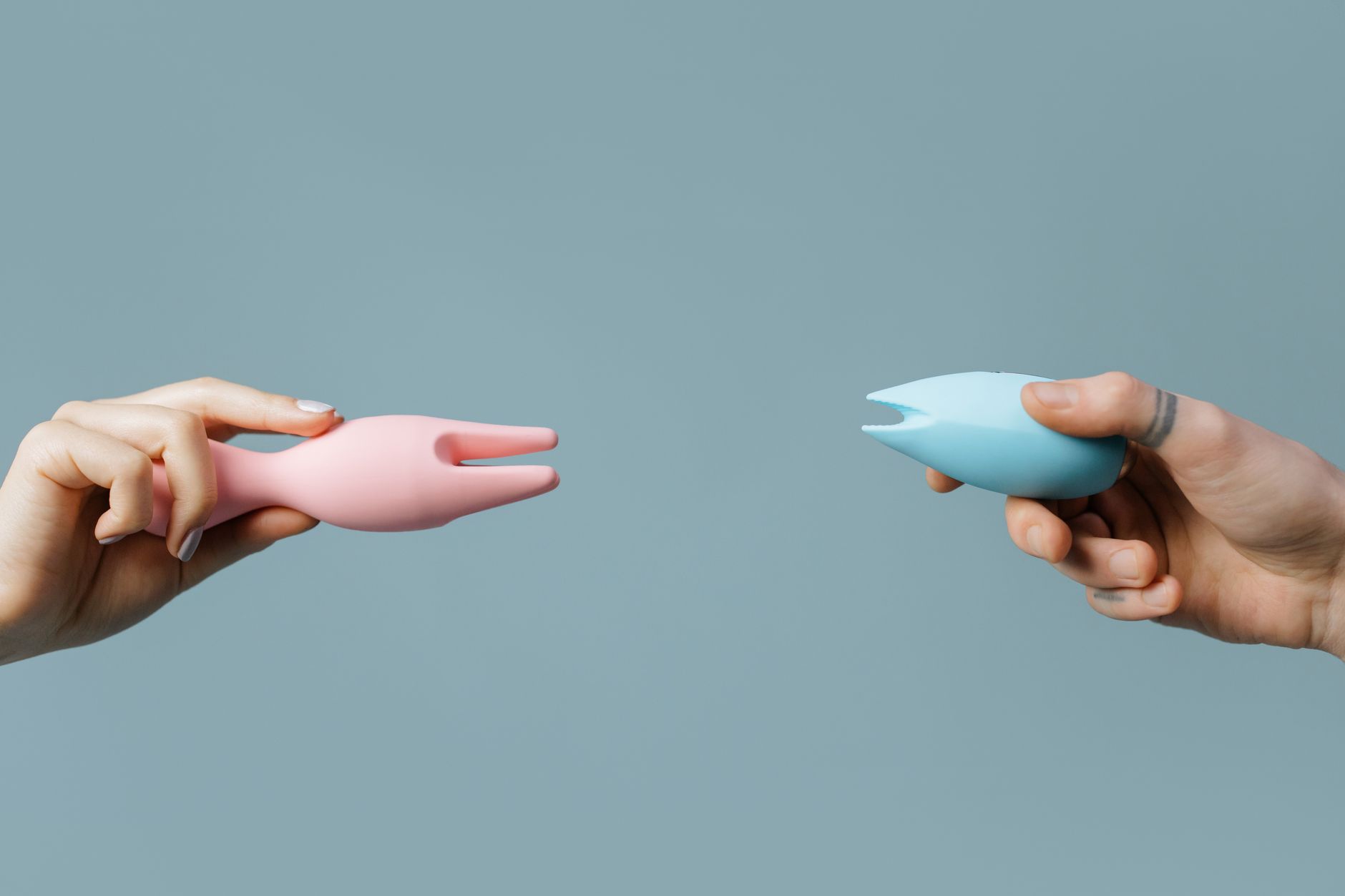
Lemon clitoral vibrators, particularly suction-based designs, handle perimenopause's unpredictability better than most alternatives. Here's why.
Suction stimulation works differently than direct vibration. Instead of relying on rapid friction or consistent pressure, it creates a gentle pulling sensation that activates a broader area of nerve endings around the clitoris. This means even when sensation feels muted on a particular day, suction can often still reach the nerves that respond. It's less dependent on exactly the right pressure.
The lemon vibrator's compact, ergonomic shape also means you're in control of intensity instantly. You can start on the lowest pattern, sense what your body is actually ready for that day, and adjust. No guessing. No pressure to perform at a certain speed or intensity. You respond to yourself.
For people returning to sex after months away, this matters psychologically too. A lemon clitoral vibrator puts you in control of the experience. You're not waiting for your body to cooperate on someone else's timeline. You're setting the pace.
The practical setup that actually works
Honestly though, tools matter less than context. Here's what I recommend setting up before you even start.
First, give yourself 20-30 minutes minimum. Not because you'll use all of it, but because you need to know that's available. Pressure to finish kills arousal faster than almost anything else. When you know you have time, your nervous system relaxes. When your nervous system relaxes, arousal builds.
Second, have water-based lubricant within reach. You might not need it. But if your body is in a low-estrogen phase, it'll make the difference between pleasure and discomfort. Use it preemptively. Don't wait to see if you need it.
Third, choose a space where you genuinely won't be interrupted. Not because interruptions are shocking. Because your brain is already working harder during perimenopause to reach arousal. The last thing it needs is to split focus. Your phone on silent. Door locked if you need it. Whatever lets your mind settle.
The sequence that rebuilds your rhythm
Start without the vibrator. I mean it. Spend five minutes just touching yourself in ways that feel good but aren't specifically aiming at arousal. Your neck. Your breasts. Your inner thighs. Your body during perimenopause is recalibrating what feels pleasurable. Reminding it that touch is welcome sets the tone.
Then introduce the lemon vibrator on the lowest setting. Start on your outer vulva, not directly on the clitoris. The broad part of the clitoral area has tons of nerve endings that might wake up faster than the tip.
If you're with a partner, they can learn this sequence too. The point isn't that they take over. The point is that they understand the new rhythm and can support it. Many couples I work with find that this slower, intentional approach actually deepens connection because it requires presence from both people. You can't rush it. You have to be there.
After 10-15 minutes, you'll usually feel a shift. Blood flow increases. Sensation deepens. That's when you can move the lemon vibrator closer to the clitoris directly, or increase the pattern intensity. But you're responding to what's actually happening, not what you think should happen.
What changes once you've reestablished the rhythm
Once your nervous system remembers that sex is safe and available, things often shift faster than you'd expect. Within 2-3 weeks of consistent practice, many people notice that their arousal window starts compressing again. Not all the way back to pre-perimenopause speed, but noticeably quicker. Your body is learning the new pathway.
You might also notice that orgasms feel different. Softer sometimes. More full-body other times. Some weeks more intense. This isn't worse. It's just different, and different can actually be richer if you're not comparing it to what came before.
The lemon vibrator becomes less of a crutch and more of a tool. You'll use it because it works, not because you feel like you have to. That's when you know you've actually rebuilt the rhythm.
A word about patience and self-compassion
Perimenopause is long. If you're taking a break from sex and now considering coming back, that break probably wasn't casual. It might have been tied to frustration, exhaustion, or just needing space while your body was confusing you. Coming back requires you to genuinely forgive yourself for the gap.
Your body didn't fail you. Perimenopause is a specific biological event, and your nervous system responded to inconsistency by pulling back. That's protective, not pathological.
Using a lemon clitoral vibrator isn't about fixing what's broken. It's about working with your body as it actually is right now, in this season. And that's not settling. That's wisdom.
Frequently asked questions
How long does it usually take to feel pleasure again after a long break?
It depends on the break length and what caused it. I've worked with clients who reconnect within 2-3 weeks of consistent, low-pressure exploration. Others need 6-8 weeks. The key is showing up regularly, without expectation. Your nervous system needs to learn that sex is safe again, and that happens through repetition, not intensity. Lemon vibrators help because they're reliable. Your body learns it can trust the sensation.
Should I use the lemon vibrator alone or with a partner?
Both are valid. Solo exploration first gives you the chance to remember your own rhythm without anyone else's energy in the room. That matters for rebuilding confidence. With a partner, you can take turns exploring or both be present together. There's no right way. What matters is what helps you feel safe and connected to sensation.
Does perimenopause last this whole time, or does it get better?
Perimenopause typically lasts 5-10 years, and yes, it shifts. Usually the early phase is the most erratic. The later phase often settles into a more predictable pattern. Once you're fully postmenopausal, the hormonal landscape stabilizes again. But you'll have learned something valuable in the middle. You'll know how to work with your body's shifts instead of fighting them.
Is water-based lubricant really necessary during perimenopause?
Not always, but frequently. Estrogen levels during perimenopause fluctuate, so your natural lubrication does too. Some weeks you won't need it. Other weeks it'll make everything better. Having it there removes the guessing. It's not a sign that something's wrong. It's a practical adjustment to biology.
Can I use a lemon clitoral vibrator if I haven't had sex in a long time?
Absolutely. Starting with a tool designed for pleasure actually makes it easier. You're not managing another person's experience or timing. You're just discovering what your own body feels now. A lemon vibrator puts you in full control, which is exactly what helps when you're rebuilding.
Will using a vibrator make it harder to feel pleasure without one later?
This is a common worry and mostly a myth. Your nervous system is capable of plenty. Using a lemon vibrator during perimenopause is like using glasses when you need them. Your eyes don't forget how to work without them. When you need support, use it. When your body shifts again, so will your needs.
Coming back to yourself
Returning to sex after perimenopause disrupts it isn't about overcoming something broken. It's about meeting yourself where you are right now, with the tools that actually work. A lemon clitoral vibrator isn't a replacement for desire or connection. It's an amplifier. It lets sensation reach your nervous system when that nervous system is working through change.
The fact that you're thinking about coming back matters more than how long the break was. Your body is ready to learn again. The rhythm will follow.
Have questions about how to navigate this transition with a partner or on your own? We're here to help. Reach out to our team at /contact.