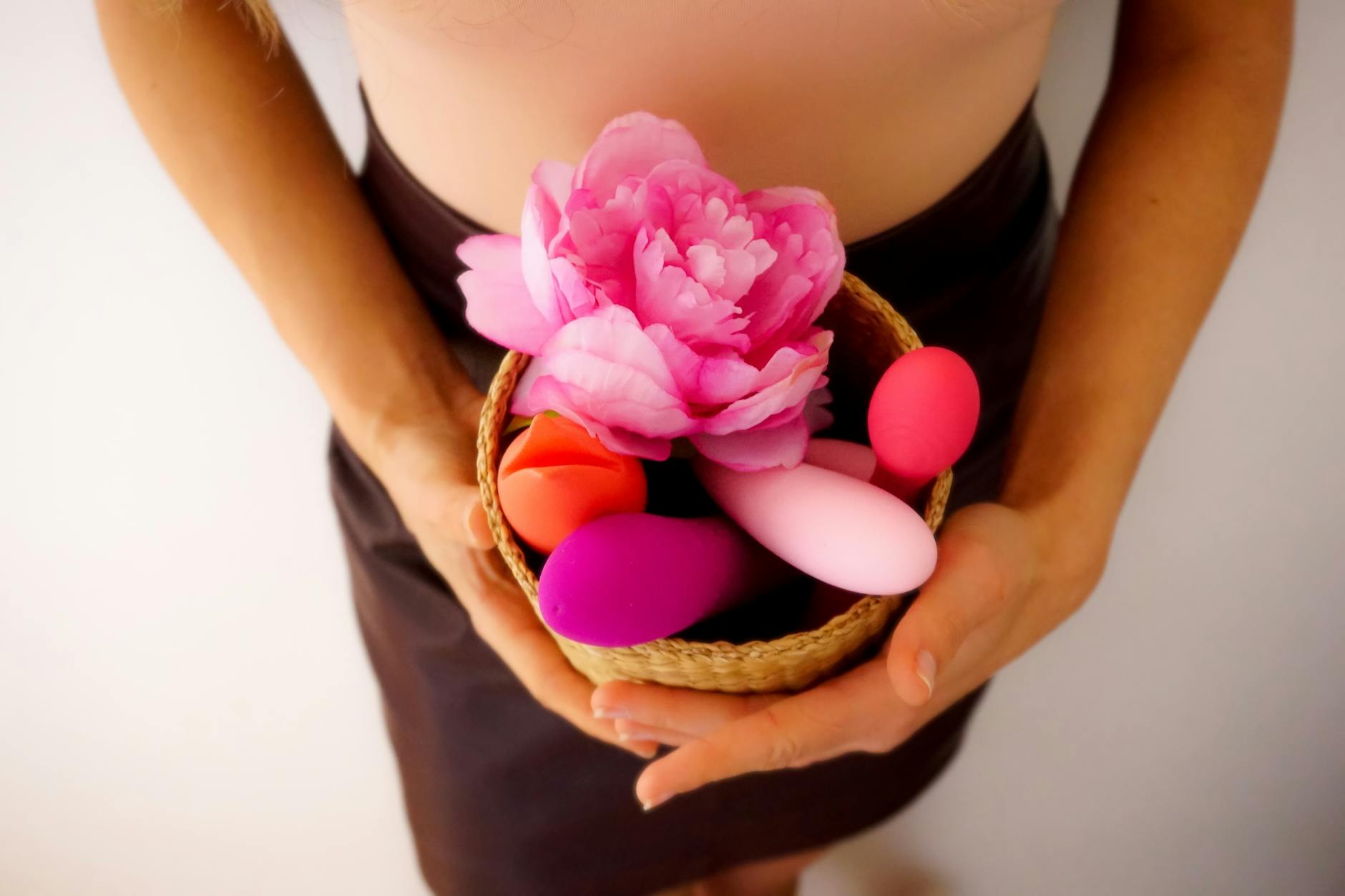
Here's what nobody tells you about lube and vibrators
Lubrication problems aren't a you-problem. They're a friction problem. And the reason I bring this up first is because most advice defaults to "use more lube" like it's a universal fix. It isn't. Sometimes more lube means more mess, more irritation, or more of a sensation that just doesn't feel good. The real shift happens when you understand that lemon clitoral vibrators, especially air-suction designs, change the entire equation.
Dry tissue happens. Medication, hormones, stress, aging, autoimmune conditions, anxiety, even the wrong lube chemistry can all create situations where traditional vibration feels like friction instead of pleasure. That's frustrating and valid. But here's the part that changes things: suction-based stimulation like the Lem doesn't require the same slickness that penetrative vibration does.
Why suction changes the lube math
Let me break down what's actually happening. Traditional vibrators rely on direct contact and friction. Your tissue needs to glide smoothly, which is where lube becomes essential. But air-suction vibrators like lemon clitoral vibrators work differently. They create a seal and gentle negative pressure that stimulates without the same mechanical sliding.
Think of it this way: friction-based stimulation needs lubrication like a door needs a hinge. Suction-based stimulation needs lubrication like a door needs a doorbell. Helpful, sometimes nice, but not the foundation of the whole system.
This matters because when your tissues are dry, sensitive, or reactive to lube ingredients, suction vibrators often feel more comfortable right away. The stimulation comes from pressure and rhythm, not from how easily your skin moves.
The lube conversation nobody's having
If you're using lube and still feeling uncomfortable, the culprit is often the lube itself, not your body. Here's what I see most often:
Water-based lubes. The gold standard recommendation, but they evaporate. You're reapplying every few minutes, which interrupts everything and can feel like starting over. Some people find that constant rewetting actually increases irritation. If this is you, consider silicone-based lube instead, but check your toy material first. Silicone lube damages silicone toys, so it only works with non-silicone materials.
Silicone-based lubes. Last longer, feel more slippery, but can't be used with silicone vibrators like the Lem. They also feel heavier and take longer to wash off. Not wrong, just different.
Oil-based lubes. Coconut oil feels amazing but harbors bacteria and can disrupt pH balance. Save it for outside the bedroom.
Lube additives that feel great in theory. Warming lubes, tingling lubes, flavored lubes. Many people react to the added ingredients. If comfort is the problem, simplicity helps. A plain water-based lube from a reputable brand (Uberlube, Slippery Stuff, Hyalo Gyn) is often the answer.
The overlooked option: sometimes you need less lube, not more. A thin layer applied with a finger to the external tissue, rather than a generous coating, can feel more manageable and less like you're fighting with wetness.
When dry tissue is the actual issue
If your tissues are consistently dry regardless of arousal or lube, that's different. This isn't a lube-choice problem. This is a physical condition that deserves attention.
Dry tissues can come from several places. Hormonal shifts (perimenopause, menopause, hormonal birth control, medication side effects) thin tissue and reduce natural lubrication. Autoimmune conditions like Sjögren's syndrome affect moisture production system-wide. Anxiety and stress literally suppress arousal responses, including lubrication. Low estrogen, whether from age or treatment, changes tissue elasticity and moisture.
If dryness is consistent, talk to a gynecologist or menopause-trained GP. Topical estrogen creams (like Vagifem or Estradiol) can restore tissue thickness and natural moisture without systemic hormone exposure. This takes 2-4 weeks to work, but the change is real. Some people also find that vaginal moisturizers used daily (separate from sex) help maintain baseline hydration. Hyalo Gyn and Hyaluronic acid options work well.
For immediate comfort during sex, lemon clitoral vibrators become your practical tool because suction stimulation doesn't require the same tissue glide that friction does.
Building comfort back incrementally
Here's the thing about discomfort. It doesn't just go away once you find the right lube or tool. Your nervous system has learned that this activity feels bad, and it needs evidence that things have changed.
Start small. Use the Lem on the lowest setting, shortest session. Five minutes. Not because you need to "ease in," but because you're gathering data. Does this feel different? Better? Neutral? Your job is observation, not performance.
If it feels better, repeat that same session three or four times before you change anything. Your brain needs repetition to update its threat assessment. Only after a few sessions of comfort do you add time or increase intensity.
If it still feels uncomfortable, the problem might not be the vibrator. It might be the lube, the setting, your anxiety level, or something physical that needs medical attention. One tool doesn't fix everything.
When to separate physical comfort from emotional comfort
Here's what I've seen trip people up. Sometimes the discomfort isn't physical. Sometimes it's psychological. Anxiety about "am I doing this right," worry about being self-conscious, guilt about prioritizing your pleasure, or tension with a partner all suppress arousal and lubrication. You end up dry and uncomfortable, and you blame your body.
Your body isn't broken. The conditions are wrong. And in those cases, the most important tool isn't lube or a vibrator. It's honesty. With yourself about what you actually want. With your partner about what you need.
If you're using lemon clitoral vibrators alone and feeling pressure to finish quickly, that anxiety dries you out. If you're with a partner and feeling self-conscious, same thing. The Lem is a tool for pleasure, not a performance vehicle. If you're performing, the discomfort is partly nervous system activation.
A practical starting protocol
If you're coming back to pleasure after dryness or discomfort, here's what actually works.
Day 1-3. Gentle touch, no lube, no toys. Just hands, maybe 5-10 minutes, alone. Your job is to practice being curious instead of goal-focused. Notice what feels good. This recalibrates your nervous system.
Day 4-7. Same thing, but add a plain water-based lube in a minimal amount. Reapply once if needed. Still no vibrator. You're testing whether the lube itself causes irritation or if it helps.
Day 8+. Introduce the Lem on the lowest setting for 3-5 minutes. Same lube. Same environment (privacy, time, no pressure). Stop if anything feels uncomfortable. Continue if it feels good or neutral.
Don't rush this. It feels slow because it is slow. But slow rewires your nervous system more effectively than pushing through discomfort.
FAQ: Lube, comfort, and lemon vibrators
Why does water-based lube dry out so fast with vibrators?
Water-based lube evaporates as friction generates heat. Vibration amplifies this because you're creating movement at 50-100 cycles per second, and that friction produces warmth. Silicone lube lasts longer because silicone polymers don't evaporate, but they're incompatible with silicone toys. If your tissue is sensitive and you need longevity, you might layer a tiny amount of silicone lube over a water-based base, or switch to a thicker water-based option designed for extended use.
Can I use coconut oil with lemon vibrators?
Technically, yes, because lemon vibrators are silicone. But I don't recommend it. Coconut oil harbors bacteria, disrupts vaginal pH, and leaves residue that's hard to clean. Water-based lube is gentler on your microbiome and safer long-term.
What if lube makes me feel irritated no matter what I use?
That suggests a lube sensitivity, not a you-problem. Try the most minimal lube option first: a plain water-based product with the shortest ingredient list (Slippery Stuff is often a good baseline). If you're still irritated, it might be contact dermatitis or a sensitivity to preservatives. Some people actually do better with zero additional lube and suction vibrators like the Lem because suction doesn't require the same glide. Also consider whether irritation appears during sex or hours later. If it's hours later, it might be the lube's interaction with your pH, not the stimulation itself.
Is dry tissue after arousal normal?
No, but it's not uncommon, and it's fixable. If you feel genuinely aroused but your tissue isn't lubricating, that's usually a hormonal or vascular issue worth discussing with a gynecologist. Sometimes it's medication side effects. Sometimes it's that you need more time to fully arouse. Low arousal time (under 10 minutes) can feel physically dry even if the desire is there. Budget longer foreplay and see if lubrication catches up.
Should I use lube with every vibrator session?
No. Your natural lubrication should be enough once your body trusts the activity. But while you're building comfort back, lube is a helpful scaffold. It reduces friction worry, which reduces anxiety, which actually helps your body relax and produce its own lubrication. Once that loop reestablishes, you might find you need less external lube. Use lube as long as it serves you. Remove it once it doesn't.
Does lube temperature matter?
Yes, but probably not how you think. Cold lube can be shocking to sensitive tissue and can trigger the nervous system to tighten up. Room temperature is fine. Warming lube slightly by holding the bottle in warm water for a moment can make application feel gentler. Don't microwave it. That's overkill and wastes energy.
The real work is permission
Lube and vibrators are tools. But the thing that actually determines whether you can use them comfortably is permission. Permission to slow down. Permission to stop if something doesn't feel good. Permission to say that your comfort matters more than the end result.
If you've been pushing through discomfort for years, your nervous system doesn't trust that pleasure is safe. Adding a lemon clitoral vibrator to that situation doesn't automatically fix it. But using the Lem slowly, with the right lube, in a low-pressure situation, tells your body something new. This is safe. This feels good. You can trust this.
That's where real change starts. Not in the lube bottle. In your willingness to believe that your pleasure deserves attention.
If you're feeling stuck despite trying these approaches, reaching out for support is worth it. A relationship coach or therapist can help you untangle whether the discomfort is physical, psychological, or both. And that clarity changes everything.