
Let's name the silence first
Years without sex in a partnership feels like a rupture nobody talks about. You share a bed, maybe a life, routines, inside jokes. But the physical part stopped. Sometimes gradually. Sometimes after an event. Sometimes so slowly you can't remember when it ended.
What's wild is how much shame sits around this. Like if you're not touching, you've failed. Like something is fundamentally broken that can't be fixed.
Here's what I've learned in twenty years of working with couples: the absence is not the problem. The unspoken nature of it is.
Why intimacy gets locked
Longstanding sexual distance doesn't happen because one person stopped caring. It happens because staying disconnected feels safer than risking rejection again.
Maybe sex hurt. Maybe someone said no once, then again, and now asking feels impossible. Maybe kids arrived, life compressed everything into logistics, and somewhere in the noise, physical connection became "too complicated to start again." Maybe health stuff made it feel awkward. Maybe resentment built quietly, layer by layer, until touching felt dishonest.
The neurological part: when sex stops for years, your brain rewires around that absence. The anxiety of restarting actually gets stronger, not weaker. Your nervous system is now trained to expect distance. Touching feels risky in a way it didn't before.
That's not a relationship failure. That's a nervous system that learned a pattern and now enforces it.
Why lemon vibrators change the dynamic
Here's where this gets practical. A lemon clitoral vibrator isn't a fix. But it is a vector. It's a third thing in the room that belongs to nobody's history with the other person.
When a partner says "I want to try something together," there's automatic defensiveness. Old wounds rise. But when they say "I found this thing, maybe we could explore it together," the energy shifts. It's not about fixing the other person. It's about building something new together.
Lemon vibrators work for this specifically because they're designed for clitoral pleasure. They're not penetrative. They're not about performance. They're about sensation and conversation. Both people can engage. Both people can learn.
And there's something disarming about starting with mutual curiosity instead of mutual demand.
The conversation before the toy
This is the hard part, and it matters most.
Don't ambush. Don't frame it as "we have a problem." Frame it as "I miss you and I want to try something different." That's honest and specific and it doesn't weaponize the toy.
Pick a moment that's not bedtime and not in bed. Afternoon. Coffee in the kitchen. Neutral ground. Then say something like: "I've been thinking about us. The physical part, specifically. I think we both want more connection, and I don't think we know how to restart it without it feeling weird. I found something that might help us explore that together."
Then show them. Not aggressively. Just "it's called a lemon clitoral vibrator, it's designed for shared pleasure, and I'm interested in trying it together because I want to rebuild this part of us."
You might hear: "I'm not sure." That's not no. That's not yes either. That's a starting point.
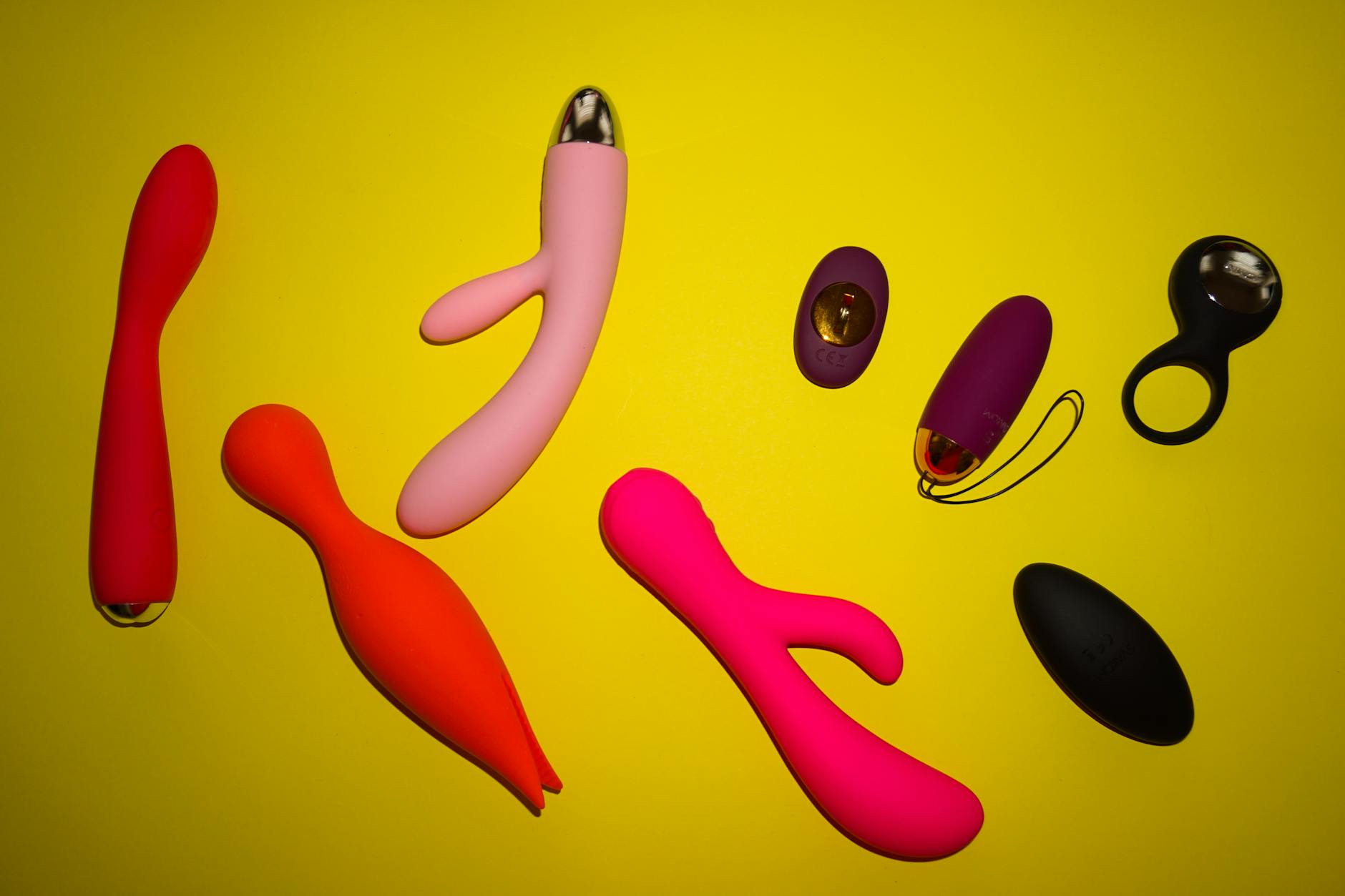
Photo by FounderTips on Pexels
How to use it together when you're both nervous
The first time is not the time for performance pressure. Here's what actually works:
Start clothed. Start slow. One person uses it on themselves while the other watches. That sounds simple, but watching your partner experience pleasure is genuinely intimate. It's vulnerable. It shifts the nervous system from "will this go wrong" to "this is interesting."
Then, if everyone's comfortable, the other person can try it. Alone, with the partner present. No pressure to come. No pressure to perform. Just presence.
The second time might involve both. The third time might involve touching each other while someone uses it. There's no timeline. There's no "you should be doing this by now."
Lemon vibrators are effective on low patterns, which means you can keep sessions short and manageable. Ten minutes of something real beats an hour of forced foreplay.
Water-based lubricant helps, especially if years of distance have made tissue sensitivity unpredictable. It removes friction and lowers the barrier to physical touch. This matters more than people realize.
The emotional architecture underneath
Missing sex for years usually means you've also missed something else: the sense that your partner wants you. That's a neurological anchor. When someone has wanted you in that specific way, the brain registers safety.
Using a lemon vibrator together begins to restore that. It says "I want to experience pleasure with you." That's different from "I need you to perform." That's different from "something's wrong with me." It's just desire, mutual, low-stakes, and real.
Some couples rediscover sex this way. Some discover that they want other forms of touch. Some realize they need to talk to someone like me about deeper rifts. But the stall breaks. The silence gets named. The nervous system learns that touch is possible again.
What if they're still hesitant
That's information. And you might need help unpacking it.
If a partner is consistently unwilling to engage with touch, there's something beneath the surface. Trauma. Shame. Depression. Relationship rupture that sex became a symptom of. A therapist trained in couples work can help you navigate that.
But here's what matters: you tried. You named it. You proposed something gentle and collaborative. That's different from the silence, which breeds resentment and assumption.
If both people are willing to explore lemon vibrators together, you're already rebuilding. The toy is just permission. The real work is showing up.
When chemistry returns
Something interesting happens when couples restart sexual contact after years of distance. It feels new. Not like your old sex life. Like an actual new relationship within the existing one.
Lemon clitoral vibrators fit into this moment because they're designed for clitoral pleasure, which means pleasure is front and center. Not an afterthought. Not a performance metric. Just sensation and connection.
If you're reading this and you've lived in that silence for a long time, here's what I want you to know: restarting is possible. It's awkward. It requires vulnerability. But it's possible.
Start with conversation. Then start small. When you're nervous about exploring toys with a partner, remember that the toy is not the point. Reconnection is.
FAQ: Restarting intimacy after years of distance
How long does it usually take to rebuild sexual connection with a partner after years of stalling?
There's no timeline, and that matters. Some couples feel reconnected within weeks. Others take months. The variable isn't the toy. It's how willing both people are to be vulnerable, how much unresolved hurt exists, and whether you're actually aligned on wanting change. If one person is resigned to the distance and the other is pushing to fix it, the timeline gets longer. If both people want connection, things move faster. I usually tell couples to expect 4-8 weeks of consistent exploration before it feels natural again.
Can lemon vibrators actually help if we haven't had sex in years and I'm worried about pain?
Yes, but with a caveat. If you have actual pain with sex (dyspareunia), that needs medical evaluation first. That could be tissue changes, pelvic floor dysfunction, medication side effects, or something else. A gynecologist or pelvic floor physical therapist can assess. Once you've ruled out medical causes, lemon vibrators can help rebuild sensation gently because they don't require penetration and you control the pressure. Clitoral stimulation alone is often how couples restart successfully.
My partner thinks introducing a toy means I'm not satisfied with them. How do I reframe that conversation?
This is the pivot point. You're not satisfied with the status quo, which is true. But dissatisfaction with silence is not the same as dissatisfaction with your partner. Say exactly that: "I'm not happy with how far apart we've become. This isn't about you not being enough. It's about both of us choosing to rebuild something together." Then show them the lemon vibrator as a tool for that rebuilding, not a replacement. If they're still defensive, that's worth unpacking with a therapist. Sometimes the resistance to touch runs deeper than the toy itself.
Is it weird to start with masturbation if we're trying to rebuild partnered sex?
No. Weird is actually ideal here. When you've been distant for years, watching your partner pleasure themselves is honest and vulnerable. It's not performance. It's not about them. It's them choosing to be present and aroused in front of you. That rewires the nervous system toward safety. Then partnered touch becomes less loaded because you've already broken the ice with mutual presence. Most couples I've worked with who restart this way report that solo exploration first actually made partnered sex feel less pressured later.
What if we try using a lemon vibrator together and it feels awkward or makes things worse?
Awkward is normal. It means you're doing something new. But "worse" suggests the experience triggered something painful. That's useful data. Did it remind someone of an old rejection? Did it bring up shame? Did it highlight resentment that hasn't been discussed? These are real things that need talking through, ideally with a couples therapist. The toy didn't cause the problem. It just exposed where the problem actually is. That's worth knowing.
If my partner agrees to try but never initiates touch themselves, does that mean they don't want the reconnection?
Not necessarily. Some people have more responsive desire than initiatory desire. Meaning they want it once it's happening, but they don't start it. After years of distance, initiating can feel risky. Like you might get rejected again. So they wait for you to create the safe container first. This is actually worth discussing explicitly: "I notice I'm always starting this. I want to know if you want this too, or if you're going along with it." Sometimes the answer is "I do want it, but I'm scared to initiate." That's a conversation. Sometimes the answer is "I'm not sure." That's also a conversation. The avoidance is the problem, not the lack of initiation.
What comes next
Rebuilding intimacy after years of distance takes two people who choose it. A lemon vibrator is a tool. It's not magic. But it is permission.
If you're ready to have that conversation with your partner, do it soon. Not in bed. Not in a moment of frustration. Just honest, gentle, and clear: "I want to rebuild this with you."
If you need support navigating the conversation or the process itself, reach out. Couples therapy isn't a last resort. It's a way to have hard conversations with someone trained to help you both feel heard.
Your physical connection matters. Your partner knowing that you want them matters. Starting again matters. And yes, sometimes a lemon clitoral vibrator is exactly what gets you there.