Let's be real about the gap
Months without sex. Maybe a year. Maybe longer. Whether it happened because of illness, medication, life chaos, relationship changes, or simple avoidance, the gap created something your body has learned: that pleasure isn't a priority right now. Retraining that belief takes patience, but it's absolutely possible. The good news: your nerve endings haven't forgotten how to respond. Your brain just needs reminding.
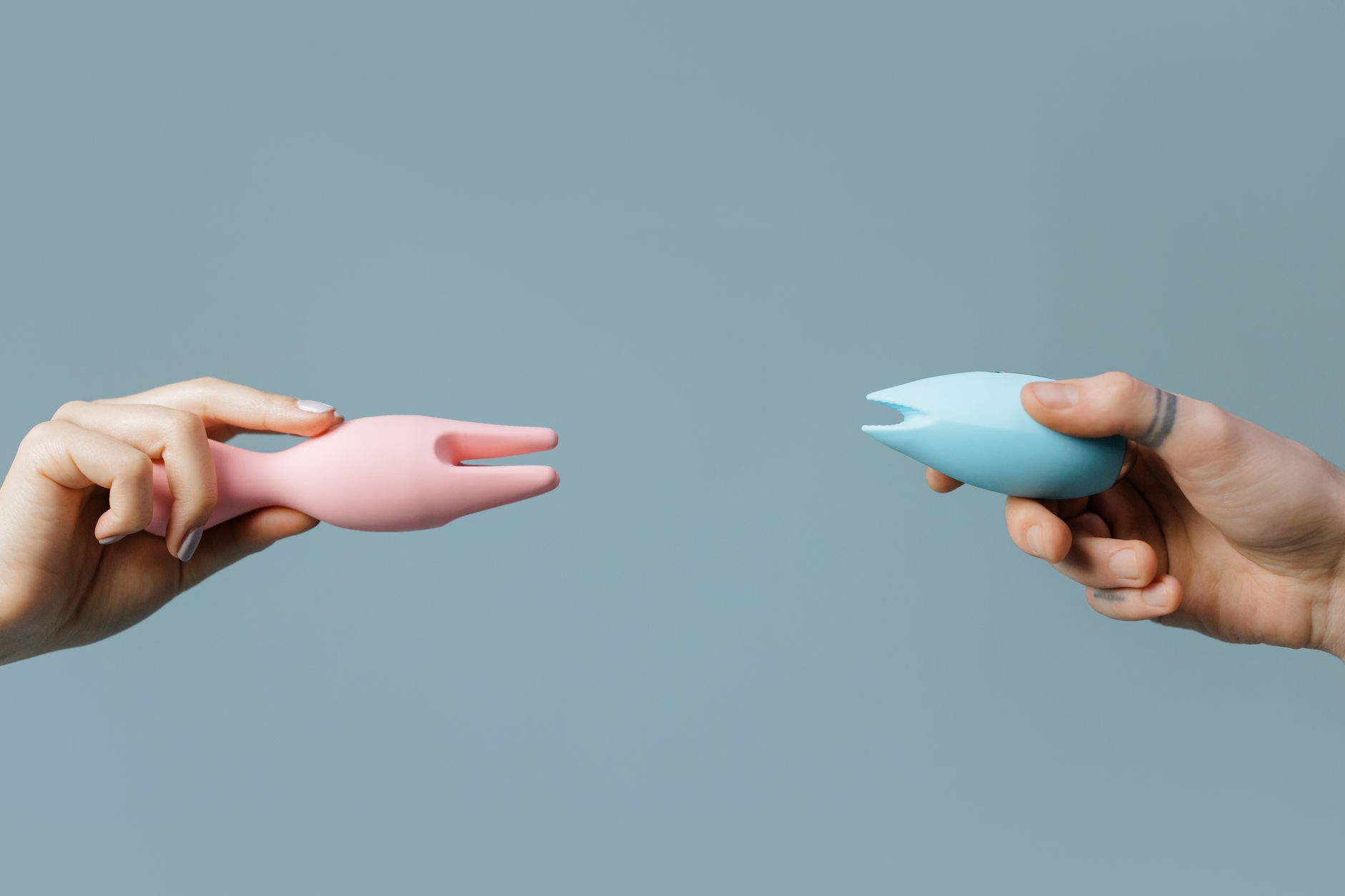
When you step back into your own pleasure after a long absence, lemon vibrators and clitoral vibrators in general offer something crucial. They skip the negotiation phase. They don't require arousal to already be happening. They can help your body remember what sensation feels like without the pressure of performance or partnership.
Why your body might feel unfamiliar
Think of arousal like a language you spoke fluently once, then stopped using. The vocabulary hasn't disappeared, but it takes a few conversations to feel natural again. After a long gap, a few specific things happen physically.
First, sensitivity shifts. Your tissues may feel either more responsive than you remember or noticeably duller. This isn't permanent. Most people report that within a few weeks of regular self-pleasure, sensation normalizes. Second, the timeline changes. Arousal takes longer to build when you haven't been practicing it. That's not dysfunction. It's deconditioning, and it reverses quickly.
Third, your pelvic floor may have tightened slightly. Extended absence from sexual activity can make the pelvic muscles more guarded, which changes how orgasm feels. This is particularly true if the gap coincided with stress, trauma, or health changes. Nothing's broken. Your body is just being protective.
Starting with zero expectations
Here's the trap most people fall into: they return to pleasure with the same expectations they left it with. "I should be able to orgasm in 10 minutes like I used to." "I should feel as turned on as before." "My body should respond automatically." Then when it doesn't, they interpret that as failure instead of just different.
The first three times you use a clitoral vibrator after a long break, your only job is to notice what you feel. Not to achieve anything. Not to finish. Just to feel. This is the difference between outcome-driven and process-driven touch. Process-driven touch actually retrains your nervous system faster.
With lemon sexual toys or any clitoral vibrator, start at the lowest setting. This isn't about being timid. It's about clarity. Low intensity lets you feel exactly where sensation is sharpest. It also gives your nervous system time to recognize the signal without overwhelming it.
The practical rebuild
Three things shift when you're reintroducing pleasure after absence.
Budget time differently. When you've been away from sex, your body needs longer to transition from "regular nervous system" to "aroused nervous system." Plan for 30 to 45 minutes of uninterrupted time, even though you might only use the vibrator for 10 of those. The other 20 to 30 minutes? Breathing, touching other parts of your body, reading erotica, whatever brings sensation online without any goal attached.
Treat lubricant like a tool, not a sign something's wrong. After extended absence, many people produce less natural lubrication. This is mechanical, not emotional. Water-based lubricant changes nothing except friction. Use it freely. Some people find that once their body remembers arousal is happening again, natural lubrication returns within a few weeks. Others use lube long-term and that's equally fine.
Track what actually works. After a gap, you might discover that the intensity setting that worked before feels wrong now. The angle that used to hit perfectly might feel off. Your body has changed, even if you haven't. The lemon clitoral vibrator lets you explore pattern by pattern, intensity by intensity, without performance pressure. This exploration phase is the point. Use it.
If you're restarting with a partner
One of the biggest obstacles I see: people want to re-enter partnered sex immediately. They think solo pleasure is just warm-up for "the real thing." This framing actually slows the process down.
Instead, separate the two processes. Spend 2 to 4 weeks rediscovering pleasure on your own. Solo orgasms are easier to access and faster to achieve than partnered ones. Once you can reliably bring yourself to orgasm with a lemon vibrator, the nervous system knows the pathway again. Then you can involve a partner, if you want to. This order matters.
When you do bring a partner in, clitoral vibrators become a joint experience rather than a replacement. Many couples find that using a vibrator together actually deepens connection because there's something collaborative about it. No one's responsible for the other's pleasure. You're both just focusing on sensation.
Retraining your nervous system
Consistency beats intensity here. Having solo pleasure time three times a week for 4 weeks changes your nervous system more than one intense session. Your body begins to expect pleasure again. That anticipation alone begins rewiring the pathway.
If you miss a week, that's fine. You don't start from zero. But if you can stay somewhat consistent, the timeline accelerates. Most people I work with report that within 3 to 8 weeks of regular vibrator use, sensation feels recognizable again and arousal timelines shorten.
One more thing: if pleasure doesn't return as expected after 8 weeks, it might be worth checking in with a healthcare provider. Extended sexual absence can sometimes coincide with hormonal shifts, medication changes, or underlying health things that deserve attention. A good GP or therapist can help sort this out.
What helps right now
Lemon vibrators specifically work well for this phase because they're straightforward. No complex controls. No guessing about what each setting does. You turn it on, you explore, you feel. The simple design means you can focus on sensation instead of figuring out the device.
For returning to pleasure, start with the lower intensity settings. Many people find that medium settings feel right once sensation comes back online. Some people discover they prefer lower intensities permanently. There's no right answer. There's just what your body tells you.
You deserve to feel good. The fact that your body went quiet for a while doesn't mean it forgot how. It just means you're relearning together. That's not starting over. That's learning something new about how you work now.
Common questions about restarting
How long does it typically take to feel aroused again after a long break?
Most people notice shifts within 2 to 3 weeks of regular solo pleasure time. Within 4 to 8 weeks, arousal timelines usually return to something closer to baseline. But "normal" is personal. If you used to take 20 minutes to get aroused and now it takes 30, that might be your new normal. Your body's timeline is valid.
Is it normal if sensation feels numb at first?
Completely normal. Extended absence often creates numbing temporarily. Keep using the vibrator consistently. Your nervous system will wake up. If numbing persists beyond 8 weeks, check with your doctor about whether medication, hormones, or other factors might be involved.
Should I use a lemon vibrator differently when restarting compared to regular use?
Not differently. Same device, same settings. The difference is your approach. You're exploring instead of achieving. You're process-focused instead of outcome-focused. The vibrator stays the same. Your mindset shifts.
Can using a vibrator after a long break damage anything?
No. Your tissues are resilient. Lubrication helps prevent irritation. If you feel sore afterward, you either used too high an intensity too fast or didn't use enough lubricant. Dial back intensity, add more lube, and try again.
What if my partner wants to help me restart but I feel self-conscious?
That's worth saying out loud. Tell your partner: "I need to rebuild this on my own first. Not because of you. Because I need to remember what my body feels like without negotiating around someone else's presence." Most partners understand this once they hear it's not rejection. It's actually a path back to better shared pleasure.
Is it okay to use a vibrator every day when restarting?
Absolutely. Daily solo pleasure is actually one of the fastest ways to rewire your nervous system. Some people do it daily for 2 to 3 weeks, then dial back to a few times a week. Others find a routine and stick with it. There's no damage threshold with vibrators.
Your body has a memory longer than you think. Restarting isn't about erasing the gap. It's about reminding your nervous system that you deserve sensation, that pleasure is safe, and that your body still knows exactly what to do. A lemon vibrator is just the tool. You're the one bringing yourself back.