Let's start with what you're experiencing
You're with your partner. Everything is happening the way it should. And somehow, you feel almost nothing. Not pain. Not discomfort. Just...distance. Like you're watching your own body have sex rather than actually being in it.
This isn't uncommon, and it's not your fault. Muted sensation during partnered sex happens for dozens of reasons. Stress, distraction, hormonal shifts, medication, anxiety about performance, or simply being out of sync with what your partner is doing. The irony is that the harder you focus on trying to feel something, the less you actually do.
Why sensation changes during partnered sex
Here's the neurological reality: your body processes sensation differently when another person is involved. Solo, you're in complete control of speed, pressure, and rhythm. Your nervous system knows exactly what's coming. With a partner, you're constantly processing their rhythm, their pleasure, their movement. That mental load pulls resources away from sensation itself.
Add in performance anxiety ("Am I taking too long? Are they bored?") and your nervous system essentially goes into a holding pattern. Blood doesn't flow where it needs to. Nerve endings don't fire as readily. What worked fine alone suddenly feels like touching yourself through a thick blanket.
Hormonal shifts complicate this further. If you're on birth control, antidepressants, or dealing with thyroid issues, your body's ability to build arousal and maintain sensation shifts. The clitoral tissue has thousands of nerve endings, but they need the right hormonal environment and blood flow to respond.
The sensation gap: why it happens with partners specifically
Partners often touch differently than you touch yourself. Pressure is lighter (or heavier). Speed is off. Rhythm is unpredictable. Your body had to learn responsiveness through solo exploration, and when the input changes, sensation can lag behind. This is especially true if you've spent years getting off one way and suddenly expect your body to respond to something completely different.
There's also the relational piece. If you're worried your partner isn't happy, or if foreplay never lasts long enough, or if you're managing their expectations instead of attending to your own body, you're essentially asking your nervous system to multitask its way to an orgasm. It won't.
How lemon vibrators bridge the sensation gap
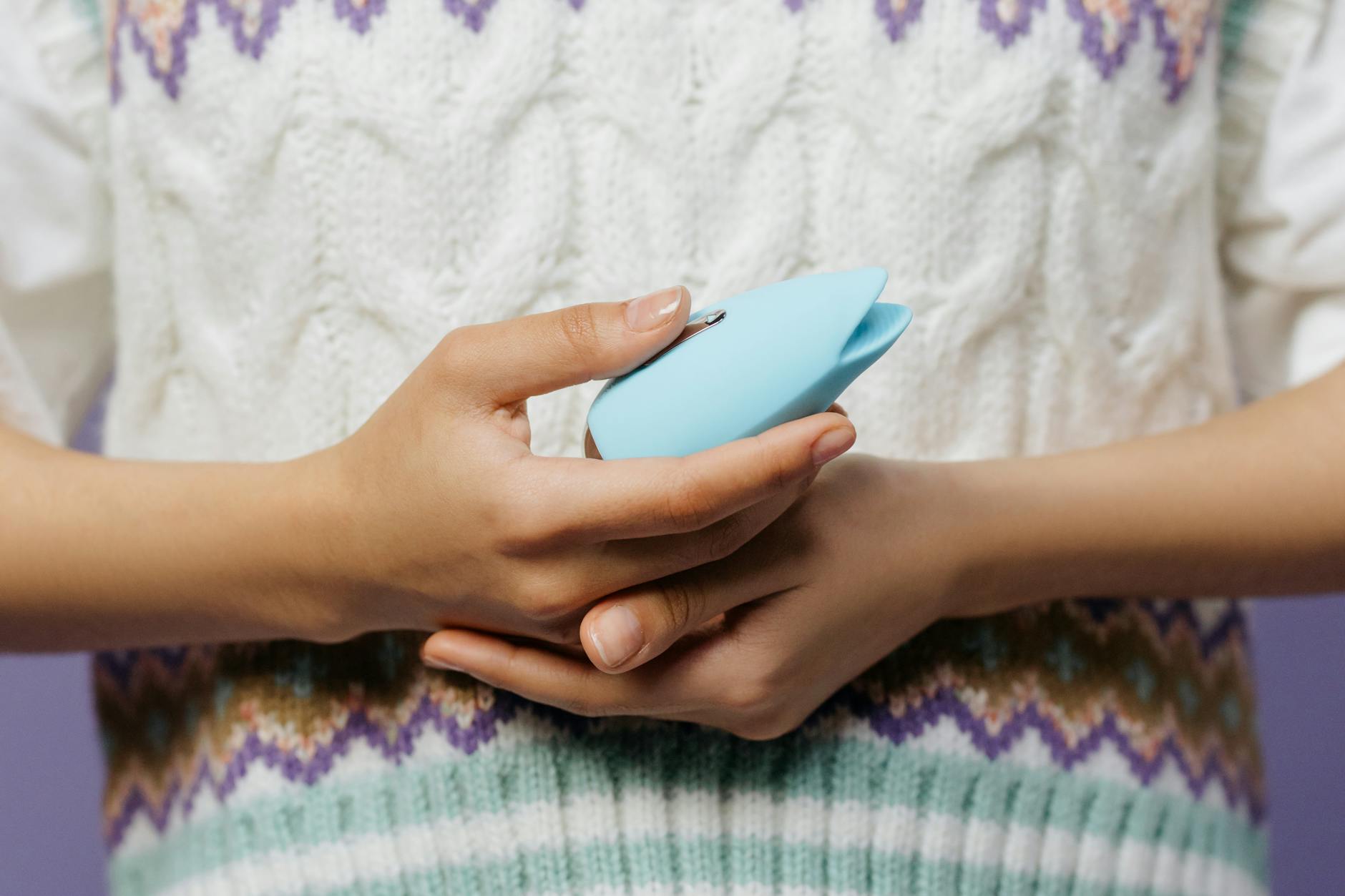
A lemon vibrator or clitoral vibrator works because it delivers consistent, targeted stimulation that your partner's hands alone cannot. The suction mechanism on lemon sexual toys mimics the pressure and rhythm that many bodies respond to more readily than direct friction. This isn't a workaround. It's a precision tool.
When sensation feels muted, your nervous system needs a signal strong enough to cut through the noise. A lemon clitoral vibrator provides that signal without requiring you to manage your partner's feelings about it. You're not rejecting their touch. You're adding a layer that actually works for your body.
The beauty of introducing a lemon vibrator into partnered sex is that it shifts the dynamic from "your body isn't working" to "let's find what actually feels good." Your partner can use it on you. You can use it on yourself while they do something else. Or they can be inside you while the vibrator handles clitoral stimulation. Each option changes the conversation.
Practical strategies for using lemon vibrators with a partner
Start with a conversation, not the toy itself. Don't surprise your partner with a vibrator mid-sex. That's not hot. It's confusing. Tell them beforehand: "I've noticed my body responds better to specific kinds of stimulation, and I want to experiment with that together." Frame it as exploration, not correction.
Use it during foreplay to warm up sensation. Most people wait until they're already having sex to introduce the vibrator. Better approach: use it during foreplay to actually build arousal and get your nervous system online. Spend 10-15 minutes with the vibrator solo or with your partner using it on you before anything else happens. Your body will show up more present when penetration begins.
Let your partner hold it. This solves two problems at once. It keeps their hands busy in a way that actually helps you (instead of fumbling around trying to find your clitoris). And it lets them feel they're involved in creating your pleasure. Hand over the lemon vibrator and guide them to the rhythm that works.
Use it alongside penetration. If your partner prefers penetration but your clitoris needs external stimulation to feel anything, bring the vibrator into that moment. You use it while they're inside you. This isn't replacing them. It's completing the picture.
Expect the first time to feel awkward. It will. You'll be conscious of it. Your partner might be self-conscious. That's normal and passes quickly. Do it again soon enough that it becomes routine instead of special or weird.
Addressing the real barrier: shame
Honestly? The biggest obstacle isn't technique. It's the voice in your head saying "if my body isn't responding to my partner's touch, what does that mean about us?" Everything. It means nothing. Sensation depends on so many factors beyond emotional connection that conflating the two is a trap.
Your body needs what it needs. A lemon vibrator or any clitoral vibrator isn't proof that your relationship is broken. It's evidence that you're paying attention to your actual nervous system instead of the fantasy version of yourself that should be aroused by whatever your partner does.
Many of the strongest couples I work with use vibrators together regularly. It's not a sign of failure. It's a sign of honesty.
When muted sensation means something else
If numbness is new or severe, it's worth checking in with a doctor. Certain medications, thyroid imbalance, diabetes, and neurological conditions can all blunt sensation. A quick conversation with your GP isn't overkill. It's responsible.
Also worth examining: if sensation is muted with your partner but perfectly fine alone, the issue might not be physiological. It might be relational tension, unresolved resentment, or attraction that's shifted. A lemon vibrator can help with the first issue. The second one usually needs a different kind of conversation.
The rhythm of reconnection
Using lemon vibrators with a partner when sensation feels distant isn't about fixing yourself. It's about showing your body what it's looking for. Once your nervous system remembers what pleasure feels like, sensation often returns even without the vibrator. You've essentially reset the baseline.
The conversation changes from "something is wrong with me" to "here's what works." And once your partner knows that, they learn it too. Touch becomes more confident. Sex becomes more present. And you stop performing pleasure and actually feel it.
People also ask
Will using a vibrator with my partner make them feel inadequate?
Not if you frame it correctly. Most partners feel relieved when they learn the issue isn't them. You're not saying "your touch doesn't work." You're saying "my body needs this specific input, and I want you to be part of creating it." When a partner understands they're collaborating instead of being replaced, the shame dissolves.
How do I bring up using a lemon vibrator if my partner has never used toys before?
Do it outside the bedroom. Say something like: "I've been thinking about what actually feels good to me, and I want to try something together. Would you be open to exploring that?" Framing it as exploration rather than complaint makes all the difference. Most partners are more open than you expect.
Can muted sensation during sex be purely psychological?
Absolutely. Performance anxiety, buried resentment, distraction, or disconnection from your own body can all muffle sensation. But psychological doesn't mean it will go away on its own. Using a lemon clitoral vibrator and rebuilding the sensation pathway is still the same practical solution. Address the relationship stuff separately if needed.
What if I feel more with the vibrator than with my partner?
That's useful information, not a reason to panic. It usually means your body responds more readily to that specific type of stimulation. This doesn't reflect your feelings about your partner. It reflects your nervous system's preference. You can absolutely enjoy both sensations, or use the vibrator as a bridge to help your body warm up to partnered touch.
How often should we be using a lemon vibrator together?
As often as it feels good. Some couples use vibrators in every sexual encounter. Others use them occasionally. There's no right frequency. What matters is that it works and you both enjoy it. The moment it starts feeling like a requirement or a problem, that's worth discussing.
Is it normal for sensation to be more muted with some partners than others?
Yes. Chemistry, comfort level, communication, and how they touch all factor in. If you've had partners who made sensation feel easier, that tells you something about what your body needs. That information is gold. It's not about the partner being "wrong." It's about knowing your own wiring.