Let's talk about what recovery actually looks like
Your body's been through something. Maybe surgery. Maybe illness that kept you in bed for weeks. Maybe both. The thing no one tells you is that pleasure isn't the first thing that comes back. Energy comes back. Appetite comes back. Then, eventually, the desire to feel good again starts whispering.
That's where most people get stuck. Not because something's broken, but because they're trying to slip back into the rhythm they had before, as if nothing changed. It did. Your body's different now. And that's actually okay.
Why sensation changes after recovery
When you're healing from surgery or serious illness, your body priorities shift. Blood flow goes to healing. Hormones change. Pain medication can numb sensation. Anxiety about reopening an incision or pushing too hard sits in the background of everything. Even after you're technically cleared for sex, your nervous system isn't sure it's safe yet.
Clitoral sensation is one of the last things to fully return because it requires sustained blood flow, mental focus, and a nervous system calm enough to register pleasure. That's not weakness. That's physiology.
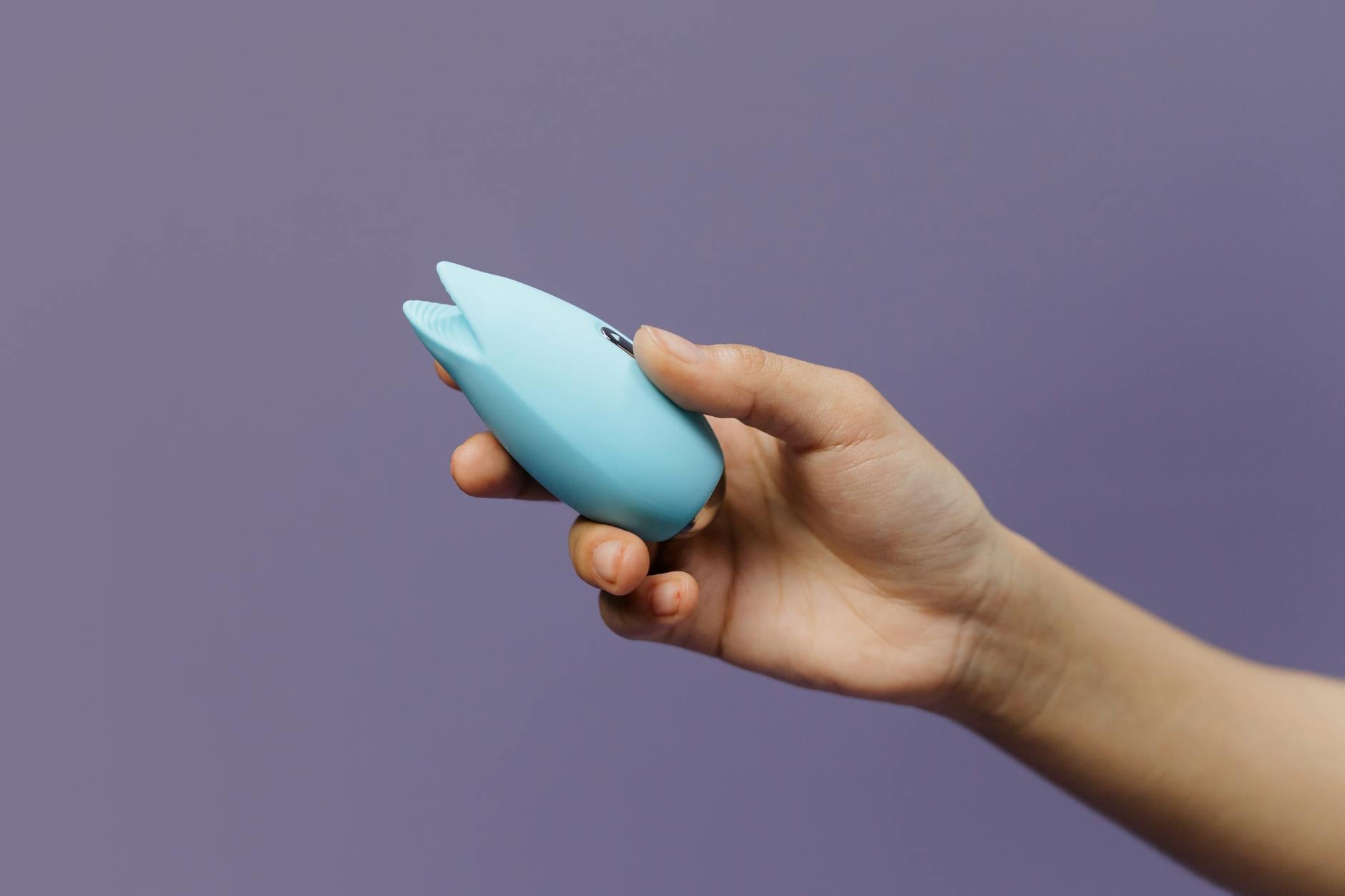
Here's what helps: tools that work with this recovery, not against it. A lemon vibrator, specifically, uses air-suction stimulation rather than direct vibration. This means you get consistent, gentle sensation without the pressure that can feel triggering or uncomfortable if you're still healing internally or managing scar tissue sensitivity.
The realistic timeline for pleasure after surgery
Most surgical clearance says six to eight weeks before penetration is safe. But cleared for sex and ready for orgasm are not the same thing. Think of it in stages.
Weeks 1-4: You're mostly resting. Pleasure isn't the focus. If you feel small sparks of interest, that's normal and a good sign.
Weeks 5-8: You're cleared, but sensation might still feel muted. This is the window where solo exploration with a gentle tool like a lemon vibrator can help your body remember what pleasure feels like. No pressure to orgasm. Just reconnection.
Weeks 9-12: Sensation starts consolidating. Orgasms might take longer or feel different, but they're becoming possible again. This is also when you can start thinking about partnered sex if you want it.
Month 4+: Most people feel substantially back to baseline, though some shifts (especially after certain surgeries) are permanent, and that's fine.
How to use a lemon vibrator safely post-recovery
Three foundational rules before you even turn it on.
Clear it with your actual doctor first. Not your partner. Not the internet. Your doctor knows your surgery, your scar tissue situation, whether internal healing is complete. A five-minute phone call saves a lot of worry.
Start with external stimulation only. Don't explore internally until you've spent at least two weeks getting comfortable with external touch. Your body needs to remember pleasure without any internal pressure.
Use the lowest setting, always. The beauty of clitoral vibrators like a lemon vibrator is that even pattern 1 is very effective. You're not supposed to jump to maximum intensity. You're supposed to let your nervous system gradually remember what stimulation feels like.
Once you're in a safe headspace, here's the practical approach. Set aside 20 to 30 minutes without interruption. No phones. No pressure to finish. A water-based lubricant helps the sensation feel smoother and reduces any friction worry.
Start on the lowest setting, positioning the suction opening directly over your clitoris. You should feel a gentle pulling sensation. It's not supposed to feel intense. It's supposed to feel there. Let it sit for a few minutes. Your body's job is to register sensation. Your brain's job is to notice what you're feeling without judging it.
After five to ten minutes, if it feels good, you can slowly increase the pattern. But honestly, many people find that pattern 1 or 2 is exactly right during recovery. You're not training your clitoris to need intense stimulation. You're reawakening its ability to feel pleasure at all.
The emotional part (which is as important as the physical)
Here's the piece that often gets skipped: your brain's been through something too.
If you had cancer surgery, there's grief about your body changing. If you had an infection that nearly landed you in the hospital, there's maybe some PTSD living in your nervous system. If you had a hysterectomy or any surgery on your reproductive organs, there's often an identity shift happening alongside the physical healing.
Pleasure doesn't live in isolation from that stuff. It lives inside it.
So if you pick up a lemon vibrator and feel nothing, or you feel tears instead of arousal, or you feel guilty for wanting pleasure when you should be grateful to be alive. That's not dysfunction. That's integration. You're letting your whole self come back online, not just your genitals.
If you have a partner, this is the moment to be honest about where you actually are, not where you think you should be. "I want to get here" is different from "I'm here now," and that distinction matters for both of you.
What to expect as sensation returns
Orgasms might feel different for a while. Shallower. Different in location. Taking longer to build. That's normal. Sensation pathways are remapping. This doesn't mean you're broken or that you'll never feel the way you used to. It usually means your body's building new neural connections around any scar tissue, and that takes time.
Your desire might come back in waves. Some days you'll feel more interested than others. Some people describe it as their arousal being more responsive than spontaneous during recovery. Meaning you need a bit more direct stimulation or mental focus to get interested, but once that process starts, things progress normally.
Also: it's completely okay if your body decides it doesn't want penetrative sex for a while, or ever, depending on your surgery. If you're having solo pleasure with a lemon vibrator but aren't ready for partnered penetration, that's called having a boundary. Honor it.
Rebuilding with a partner
If you're in a partnership, this recovery is a two-person process, and it's worth treating it that way.
Some couples find that using a clitoral vibrator together is actually an easier way back into shared pleasure than penetration is. It removes the performance pressure. It's a shared exploration. One partner can hold the toy, or you can use it on yourself while they're present, and the focus shifts from "are we having sex" to "are we connected and experiencing something good."
That change in focus is massive for healing. Because right now, your body doesn't need sex. It needs permission to feel good without that meaning sex. A lemon vibrator gives you that permission.
When to check in with a specialist
If you're past the three-month mark and sensation still feels completely absent, it's worth mentioning to your doctor. Sometimes scar tissue does need physical therapy. Sometimes nerve damage is part of the recovery landscape and needs acknowledgment.
If pain accompanies pleasure, that's also a signal to loop in your surgical team. Not because something's catastrophically wrong, but because pain and pleasure shouldn't live in the same space, and there are treatments that help with that.
If emotional blocks feel overwhelming. A therapist who specializes in somatic healing or trauma can be genuinely transformative. Getting your body back isn't just physical. It's emotional and neurological too.
Your pleasure matters. It's not frivolous. It's not something to rush. It's a sign that your whole self is healing. A lemon vibrator is just a tool to help that reconnection feel gentle and doable. The real work is patience with yourself.