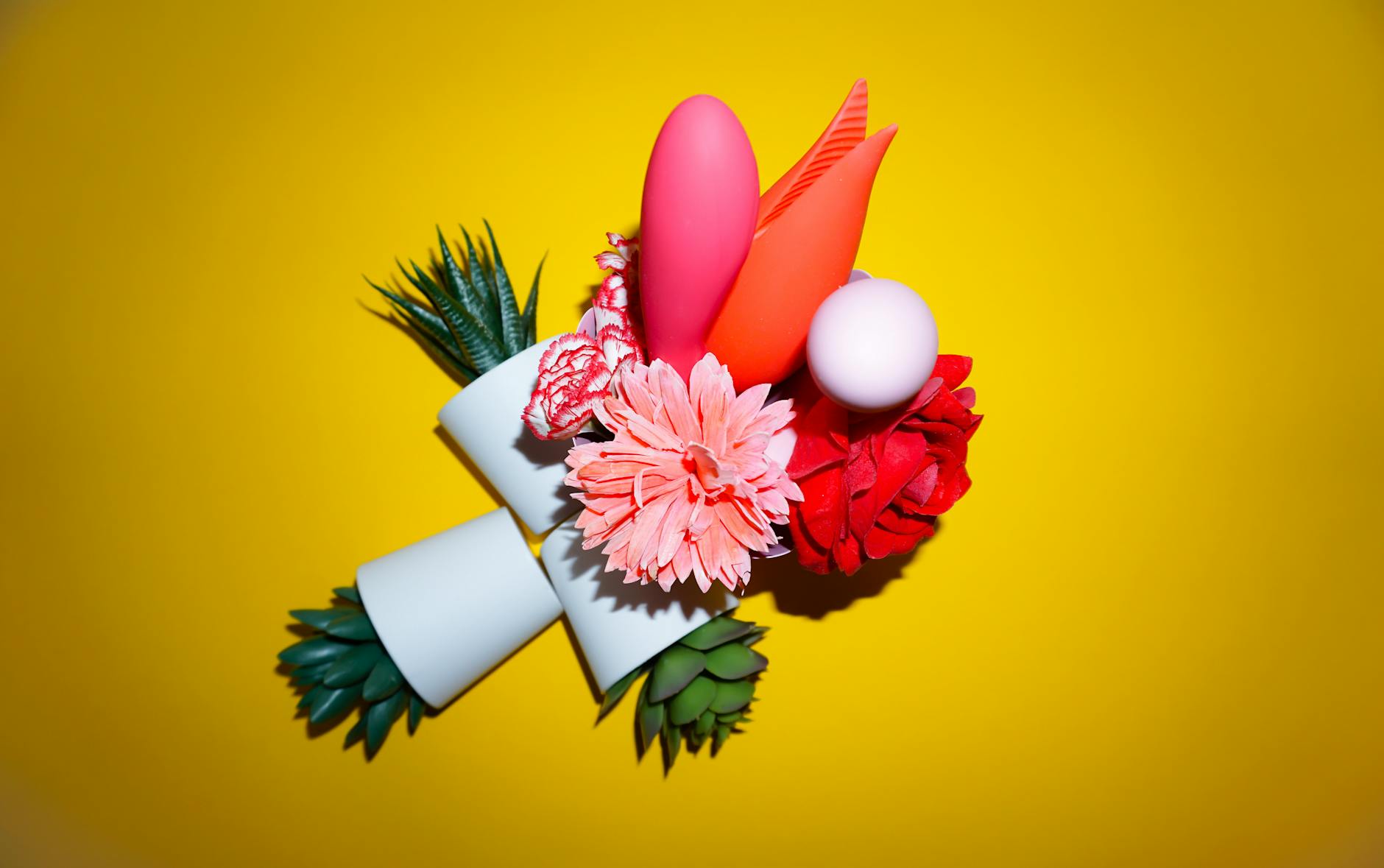
How to Use Lemon Vibrators When You Want Deeper Pleasure But Worry About Discomfort
You deserve intensity without pain. Here's exactly how to approach lemon clitoral vibrators when you're nervous about sensation, sensitivity, or pressure.
You want deeper pleasure. You know a lemon clitoral vibrator could help. But there's a whisper in the back of your mind: what if it hurts? What if the sensation is too intense? What if I can't control it?
That's not nervousness. That's wisdom. Your body is telling you to approach this thoughtfully. And honestly, that instinct is exactly what makes using lemon vibrators successfully possible.
Here's what I've learned working with couples navigating pleasure: discomfort rarely comes from the toy itself. It comes from starting too fast, not understanding your own body, or pushing through sensation that feels like a warning instead of a stretch.
One of the biggest myths about clitoral vibrators is that deeper pleasure means grinding through discomfort. It doesn't. Real pleasure builds. It doesn't ambush you.
Lemon clitoral vibrators, including the iconic lem vibrator, use air-suction technology rather than traditional vibration. This matters because suction stimulates nerve endings without the same sharp friction that can feel overwhelming on sensitive tissue. You get intensity that feels good because it's working with your body, not fighting it.
But here's the thing: the toy is only half the equation. The other half is you knowing what your body actually needs.
Before you even touch a lemon vibrator, spend a few minutes alone understanding your current sensitivity. This isn't foreplay. It's research.
Use your hand or another toy you already trust. Touch different areas: directly on the clitoris, around the hood, on the inner labia, on the outer labia. Notice where sensation feels good, where it feels too intense, where it feels meh.
Most people discover they don't want direct contact on the clitoris itself. The hood feels better. Or the area just to the side. This information is gold because you'll now know how to position a lemon clitoral vibrator for maximum pleasure with zero discomfort.
Write it down if you need to. "Direct contact: too sharp. Hood with light pressure: yes. Side of clitoris: absolutely." This map is your blueprint.
I'm going to sound cautious here, and I mean that.
When you first use a lemon vibrator, plan for a session where discomfort isn't the goal and neither is orgasm. The goal is information. You're testing. You're learning how the sensation feels at different intensities, different placements, different durations.
Start with pattern 1 or 2 on the lem vibrator. Not pattern 3. Not "let's see what it does." Pattern 1 or 2. Place it where you know from your sensation map feels good. Hold it there for 10 seconds. Notice. Move it slightly. Notice again. Build up slowly over 10 to 15 minutes.
If something feels sharp or painful (not intense, but actually painful), stop. Discomfort has two flavors: the good kind, which is a stretch or intensity that feels almost too much but good, and the bad kind, which is sharp or burning. You're learning to tell the difference.
After this first session, rest. Notice how your body feels the next day. Sensitivity can take a few hours to settle. It's normal for everything to feel a bit tender.
Once you've done the exploration, you can start playing with deeper pleasure. But depth doesn't come from cranking up the intensity right away.
Depth comes from duration, positioning, and rhythm. Here's what this looks like:
Duration beats intensity. A lemon clitoral vibrator on pattern 2 for 20 minutes will give you deeper pleasure and stronger orgasms than pattern 5 for three minutes. Your nervous system needs time to build arousal. You're not training your body to tolerate pain. You're giving your body time to respond.
Positioning matters more than power. The exact angle and placement of the vibrator is doing 70 percent of the work. Spending five minutes finding the perfect spot will feel better than five minutes at maximum intensity in the wrong spot. Move the vibrator millimeters. You'll feel the difference.
Rhythm and pattern are your friends. Lemon vibrators come with multiple patterns and intensities. Use them. Stay at pattern 2 or 3 while exploring different rhythm patterns. The variety keeps sensation fresh and prevents the numbing that comes from one-note stimulation.
If you're using a lemon vibrator and the sensation suddenly feels sharp, stinging, or burning, you have options.
First, move the vibrator slightly. Sometimes one millimeter of repositioning changes everything.
Second, lower the intensity immediately. You're not failing. You're listening to your body. Intensity can always come later.
Third, take a break. Put the vibrator down for two to five minutes. This isn't about stopping forever. It's about giving your nerve endings time to rest and reset.
If discomfort returns consistently in the same spot, you might have a sensitivity issue worth mentioning to a gynecologist. Vulvodynia, nerve inflammation, and hormonal shifts can all make sensation feel sharper than usual. That's not a sign you can't use lemon clitoral vibrators. It's a sign you might need a different approach or medical support to address the underlying sensitivity.
If you're bringing a partner into this and you're nervous about comfort, start by doing your sensation mapping alone first. Then, bring your partner a simple map: "This spot feels good. This one's too much. This one I want to explore."
Partners often want to jump straight to maximum intensity because they think that equals maximum pleasure. It doesn't. Tell them: "Start here. Go slow. I'll tell you if anything doesn't feel right.\