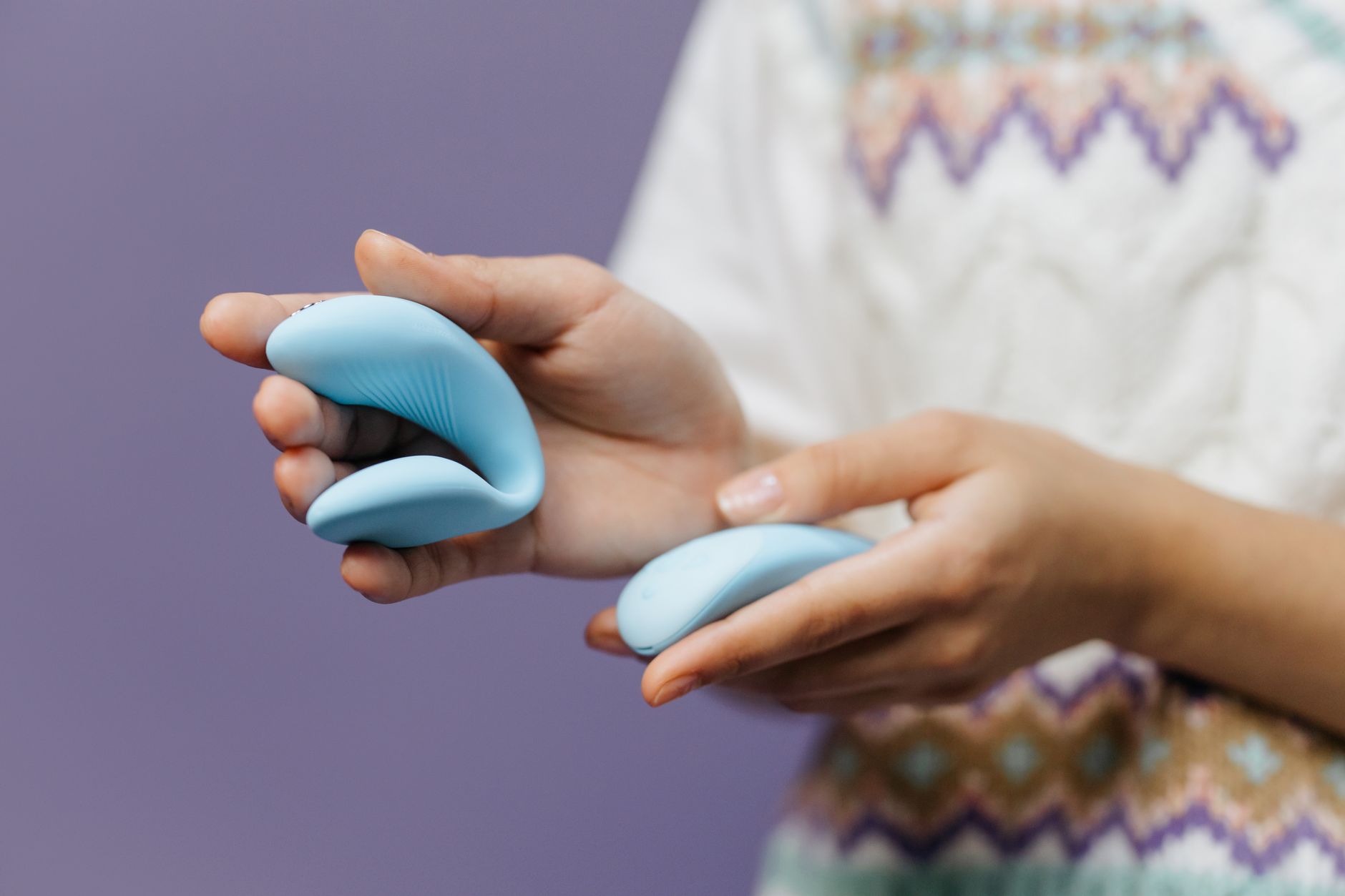
Let's be real about conflict and touch
After an argument, the instinct is usually avoidance. You sleep on opposite sides of the bed, keep conversations functional, and wait for things to feel normal again. But normalcy doesn't always come on its own. Sometimes the gap between you grows wider the longer you don't bridge it.
Physical reconnection after conflict isn't about pretending the argument didn't happen. It's about signaling to each other that the relationship is bigger than that one moment. Touch is how you say: "I'm still here. I still want you."
Why physical reconnection is harder than it sounds
When there's tension between you, the nervous system is genuinely activated. Your body is in a low-level threat state. Stress hormones are still circulating. The idea of initiating sex or even cuddling can feel impossible because your brain isn't ready. It's not stubbornness. It's biology.
This is where lemon clitoral vibrators change the equation. They offer a middle ground. You're not jumping straight into partner sex. You're inviting pleasure back into the space between you. That matters because pleasure is antithetical to threat. The moment arousal begins, the nervous system shifts.
I've worked with hundreds of couples who've told me the same thing: "We didn't have to talk about the argument during sex. We just had to show up together." A lemon vibrator makes that showing up feel less loaded, less demanding, and more like a choice.
The reset ritual that actually works
Here's the framework I recommend to couples rebuilding after conflict.
Step 1: Choose a time when you're both ready but not forced. Don't schedule it like a dentist appointment. But do agree on it. "Tonight after dinner?" "Tomorrow morning before the kids wake up?" The agreement itself is the reconnection.
Step 2: Start somewhere neutral. Not in bed, not at night, not during your usual sex routine. Pick a different room, a different time of day. You want to create a new micro-memory, not slide back into old patterns that still carry the argument's weight.
Step 3: Start with non-sexual touch. Hold hands. Massage their shoulders. Run your fingers down their arm. For 5 to 15 minutes, that's it. Your nervous system needs to remember that this person is safe before you layer in arousal.
Step 4: Introduce the lemon vibrator slowly. If you're using it solo while they watch, start at the lowest setting. If they're watching you discover pleasure again, that creates a powerful shift. You're not demanding anything from them. You're opening yourself back up in front of them. Vulnerability is its own form of intimacy.
Step 5: Invite them in when you feel ready. "Can you touch me here?" "Want to hold this while I use it?" The invitation matters more than the specific activity. You're asking for their hands, their presence, their participation on your terms.
What changes when both of you are touching
Many couples worry that bringing a lemon vibrator into partner intimacy means something's wrong. It doesn't. It means you're smart about how bodies actually work.
When arousal has been interrupted by conflict, the clitoris often needs more direct stimulation to wake back up. A lemon clitoral vibrator gives your partner's hands a break and gives your body what it actually needs. You get to focus on pleasure instead of worrying whether they're getting tired.
This is especially true if you've been disconnected for a week or longer. The sensitivity can genuinely dull. The pathway from "here" to "turned on" gets longer. A vibrator shortens that distance.
The sexier part: your partner gets to watch. They get to see what turns you on, how your breathing changes, where your body goes when it's not self-protective. That's profound intimacy.
The conversation that has to happen
You can't just bring a lemon vibrator into the bedroom after an argument without talking about it first. The conversation doesn't have to be clinical.
Try: "I've been thinking about us, and I want to reconnect. I'm wondering if you'd be interested in exploring some new ways together. I found this toy that might help things feel less heavy."
Or: "I miss you. I want to get back here, but I'm nervous. Would you be open to trying something that might help us both feel less pressure?"
If they say no, respect that. But most partners will say yes because they're missing you too. Conflict is lonely on both sides.
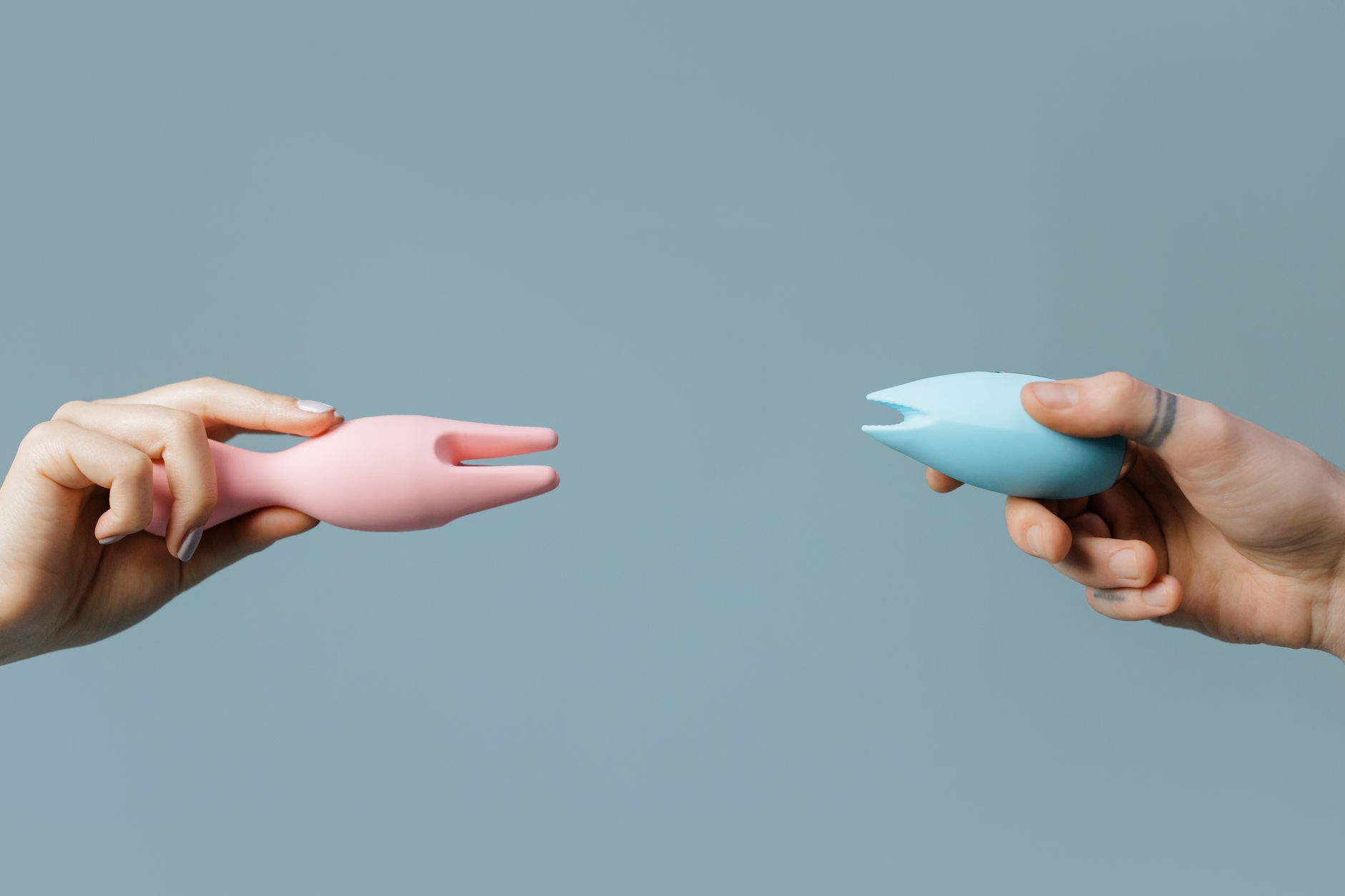
Photo by cottonbro studio on Pexels
When one of you needs more time
Some people bounce back from conflict quickly. Others need a week to feel safe again. If your partner's one of the latter, pushing physical reconnection will backfire.
Respect the timeline. But also know that waiting indefinitely doesn't heal anything. At some point, usually around day five or six, gentle physical reconnection actually accelerates healing.
Start smaller if they need it. Use a lemon vibrator alone in the next room where they know it's happening. The knowledge that you're exploring pleasure again sends a signal: "I'm ready to move forward." Many partners feel safer joining when they see you're already engaged.
The solo pleasure bridge
If your partner isn't ready to participate yet, using a lemon clitoral vibrator solo is still powerful. It reminds your nervous system what pleasure feels like. It reminds your body that you deserve it.
After conflict, many people, especially women, shut down their own arousal as a sign of loyalty or punishment. "If I'm upset, I shouldn't feel good." That logic doesn't serve you. Getting back to your body is a form of forgiveness. Self-directed pleasure says: "I'm choosing to move past this."
Do this alone, guilt-free. Your partner will feel the shift in your energy the next day.
Timing matters more than intensity
The worst time to introduce a vibrator after conflict is immediately. When you're still raw, when the defensiveness is fresh, it reads wrong. You need about 48 hours before the door opens back up.
The best window is 3 to 7 days out. Enough time has passed that the acute hurt has faded, but not so much that you've settled into avoidance mode.
Start with a lower setting, even if that's not usually your preference. Your nervous system is still partially activated. You don't need the most intense sensation. You need comfort, novelty, and the message that pleasure is still possible between you.
When you're both ready but it still feels weird
Sometimes after conflict, everything feels contaminated for a while. The bedroom, the positions you usually like, the routines. That's normal and temporary.
A lemon vibrator helps because it introduces a new element. You're not replaying the old pattern. You're building a new micro-moment. You're saying: "This conflict doesn't define us. This does."
If it still feels weird the first time, that's fine. Say so. "This feels strange. Can we just hold for a minute?" Your partner will understand. You're rebuilding trust with your bodies. That takes more than one session.
The pleasure comeback is the real reset
Conflict creates distance. Physical reconnection closes it. But the full reset happens when you both remember what it feels like to make each other feel good.
When you orgasm again after a fight, something neurochemical shifts. Oxytocin floods your system. The memory of the conflict shrinks in importance. Not because you've forgotten it. Because you've proven to each other that you can move through it.
A lemon vibrator makes that climax more likely, especially if you've been disconnected. It removes obstacles. It says: "I'm invested in your pleasure. I want this to work."
That's what couples need after conflict. Not apologies alone. Action.
People also ask
How long should I wait after an argument before trying to reconnect physically?
Generally, 48 to 72 hours is the sweet spot. Your nervous system needs time to regulate, but waiting longer can calcify distance. After three days, most couples are ready for gentle reconnection. If the argument was particularly heated, a full week might be necessary. Watch for signs: when you start joking with each other again, or when you initiate non-sexual touch naturally, the window is opening.
Can using a lemon vibrator alone after conflict make my partner feel replaced?
Not if you frame it correctly. If you're using a vibrator solo as a bridge back to yourself, that's self-care. If you're using it to avoid engaging with your partner, they'll feel that. Be honest. "I've been disconnected. I'm trying to find my way back to pleasure." Most partners respect that. Some will even want to watch or participate. The transparency prevents misunderstanding.
What if my partner is threatened by the vibrator?
This is worth a separate conversation, not a conflict-resolution strategy. If they're insecure about toys, introducing one during a vulnerable time will backfire. Talk about it when you're not in repair mode. Say: "I'd like to explore together. This isn't about you not being enough. It's about what my body needs." If they remain resistant, that's a deeper conversation about control and trust that might benefit from a couples therapist.
Should we use a vibrator the same way we did before the conflict?
No. Build something new. The lemon clitoral vibrator is an opportunity to establish a different micro-pattern. New position, different time of day, different setting in your home if possible. You're signaling: "We're not just patching this over. We're evolving." That psychological shift accelerates reconnection.
What if one of us comes but the other doesn't?
That's completely fine, especially early in the reconnection process. Orgasm isn't the goal. Pleasure is. If you come and your partner's holding the vibrator, that intimacy is profound even if they don't orgasm. You're witnessing each other. You're present. That's the real win.
How do I know if we're truly reconnected or just avoiding talking about the real issue?
You'll know because the conversation will start naturally, usually a day or two after physical reconnection. The nervous system drops its guard when pleasure has been restored. You'll be sitting together and someone will say, "We should talk about what happened." Physical reconnection is the bridge, not the destination. The conversation still has to happen. But you'll have the safety and closeness to have it well.
The real work starts after
Using a lemon vibrator to reconnect after conflict works because it bypasses defensiveness and speaks in the language your nervous system actually understands: safety, pleasure, and proximity.
But a toy can't fix the argument itself. That takes conversation, vulnerability, and often compromise. What it does is create enough closeness that you're willing to have that conversation from a place of care instead of armor.
After conflict, your body is asking: "Are we okay?" Physical reconnection answers: "Yes. We're going to be." That answer matters more than any words could.