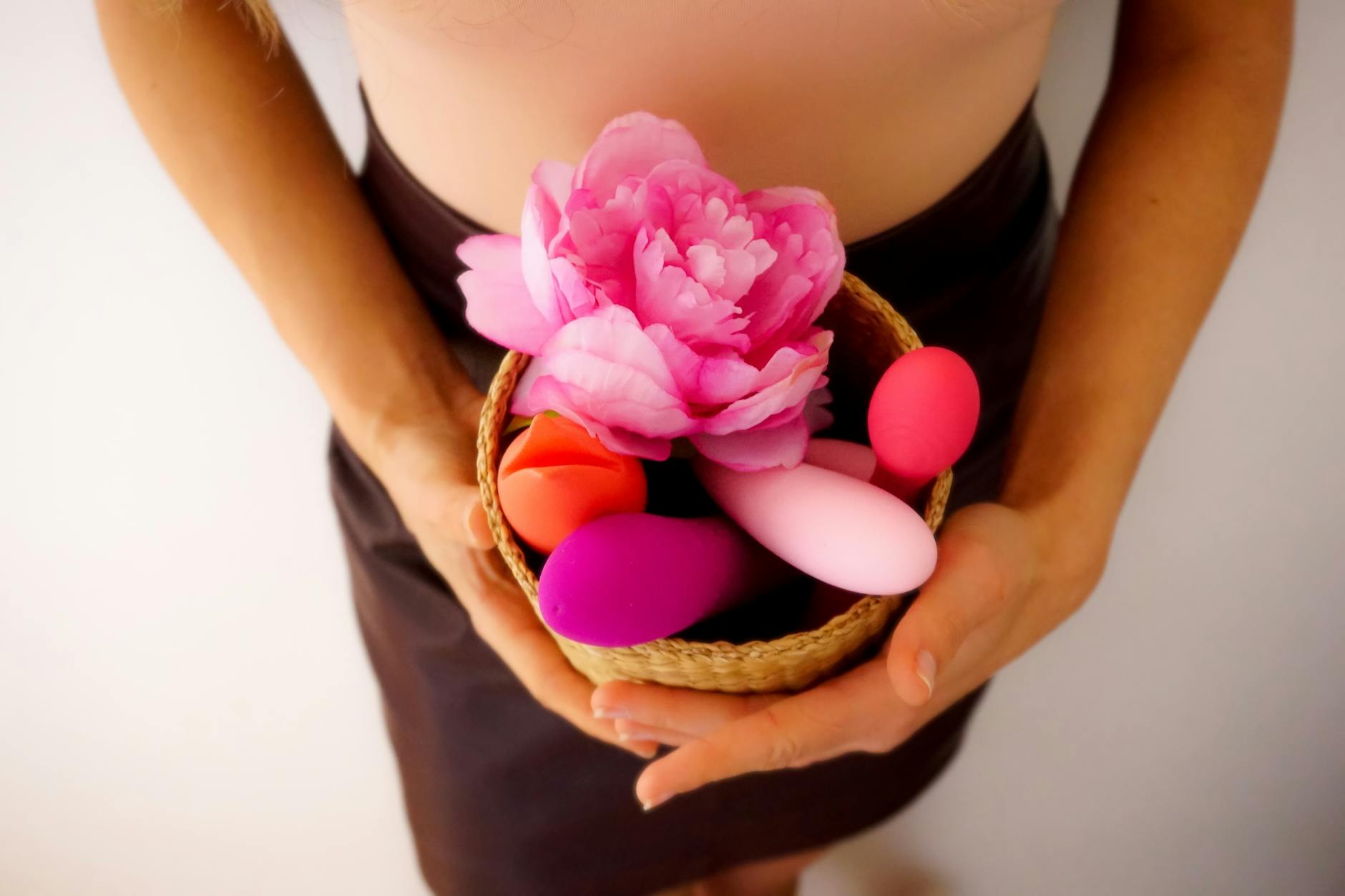
Let's start with what nobody warns you about
Your body after having children is not broken. It is different. And that difference matters because most postpartum pleasure conversations happen in one of two unhelpful lanes: "your body will bounce back" or "you'll never feel the same again." Both miss the actual reality, which is more interesting and way more actionable.
Here's the truth: your pelvic floor changed. Your hormone levels reset. Your skin sensitivity shifted. Your mental load tripled. And somehow, you're supposed to feel desire in the middle of all that. The fact that you want to is actually the thing worth paying attention to.
What actually changes in your body postpartum
Let's get specific because vagueness makes everything worse.
After vaginal delivery, your pelvic floor either weakened (tore slightly or stretched significantly) or is tight and defensive because it's been through something intense. After C-section, you have scar tissue and nerve disruption around the incision. Either way, sensation is not the same as it was. Sometimes that means less feeling. Sometimes it means sharp or numb patches. Sometimes it means the same stimulation feels either muted or uncomfortably sharp depending on the day.
Estrogen and progesterone drop after delivery, especially if you're breastfeeding. This dries out vaginal tissue in the same way menopause does, except you're 25 instead of 50, which makes it feel extra unfair. Oxytocin is still present, but it's being poured into your attachment to your child, which is neurologically prioritized over attraction right now. That's not emotional, that's biology.
Your mental energy is fragmented. You're running a constant background process tracking your child's needs. Your brain isn't wired to flip from "are they breathing?" to "I want sex" in 60 seconds. That gap is not a personal failure.
Why lemon clitoral vibrators work differently postpartum
The architecture of your clitoris hasn't changed. But the way you access pleasure safely has.
Lemon vibrators use air-suction technology, which means they stimulate without aggressive friction. That matters because postpartum tissue is either tender or desensitized, and friction can trigger either pain or numbness. Suction technology creates a different kind of sensation. It's gentler on scar tissue. It doesn't require the same muscle engagement from a weakened pelvic floor. And critically, it often works faster because it's targeting nerve clusters in a way that direct vibration sometimes misses on postpartum bodies.
Lemon sexual toys like the Lem also let you control intensity in finer increments. Postpartum sensitivity varies wildly day to day, sometimes hour to hour. You might need patterns 1-2 one day and patterns 5-6 the next. That flexibility matters way more than you'd think.
The actual timeline of postpartum pleasure recovery
Let's be real: six weeks postpartum when your doctor clears you for penetration is not when you're actually ready for anything. Most people don't feel physically ready for any intentional pleasure until weeks 8-14, and many not until month four or five. There's no shame in that timeline. Your body is literally rebuilding.
But here's what changes the recovery speed: gentle, consistent stimulation that doesn't demand anything of you.
Starting around week six (with your doctor's okay), many people find that solo exploration with a lemon vibrator accelerates the reconnection process. Not because you're "getting your body back" in some capitalist fitness way, but because you're teaching your nervous system that pleasure is still possible. You're mapping new sensations. You're remembering what your body can do when it's not just being used for feeding or carrying a child.
How to actually use Lemon Vibrators postpartum
Three practical strategies that work when your body feels foreign to you.
Start with zero pressure. Don't set aside a special "sexy time." Use it when you're already relaxed. After the baby sleeps. After a shower when your body feels clean and yours. Set a phone timer for 20 minutes so you know you're not stealing time from something else. Your nervous system is hypervigilant right now. Permission structures matter.
Begin at pattern one. Your tissue is sensitized differently than it was pre-pregnancy. Even if you liked higher intensities before, your postpartum body might tell you otherwise. Respect that. Start low. The stimulation builds nerve sensitivity over repeated sessions, so you'll likely move up patterns naturally over weeks.
Lubrication is not optional. You already know this in theory, but the gap between knowing and doing is real. Use it every single time. Postpartum tissue gets less lubrication naturally. Adding external lubrication makes the experience safer and way more pleasurable. Water-based lube works best with silicone toys.
The partnership question: involving your partner
Honestly though, this is complicated because your partner's body hasn't changed and yours has, and that asymmetry can feel weird for both of you.
The most useful thing I tell couples: separate the conversation from the expectation. Talking about how your postpartum body feels different is not the same as solving it during sex. Have the conversation fully clothed, maybe not at night when you're both exhausted. Share what sensations feel good right now. Share what doesn't. Let them know that you're exploring with a lemon vibrator because you want to rediscover your body, not because their touch isn't enough. Because usually, that's true.
If they're interested in being involved, great. They can watch. They can use a lemon clitoral vibrator on you while you guide the intensity. They can learn your new pleasure map. But the exploration itself needs to be yours first. You need to know what feels good before you can teach someone else.
If they're not interested? Also fine. Your pleasure is not a partnered activity unless you want it to be.
The grief part nobody mentions
Your postpartum body is different. Sometimes that difference includes losing sensations you loved. Or gaining ones that feel wrong. That's worth grieving, genuinely.
But here's what I've seen with hundreds of clients: the most intense orgasms often come after you stop expecting your postpartum body to feel like your pre-baby body. When you explore it as new territory instead of a broken version of the old one. When you're curious instead of frustrated.
That shift usually happens around month four or five, which is exactly when many people feel ready to use lemon adult toys more intentionally again. Not because time heals everything, but because your nervous system has had enough runway to settle down.
When to see a specialist
If you have pain with penetration or clitoral stimulation that isn't improving by month four, talk to your doctor. Pelvic floor physical therapy is real and transformative. You might have scar tissue that needs attention. You might have pelvic floor dysfunction that's treatable in weeks.
If you have zero desire and it's past month six, that's worth checking with your GP too. Sometimes it's just the overwhelm. Sometimes it's postpartum depression. Sometimes it's both. Getting support isn't weakness. It's the fastest path back to pleasure.
The actual bottom line
Your postpartum body can feel pleasure. You might need different tools to access it. You might need more time. You might need lube and patience and a lower intensity than you expected. But the capacity is still there. Lemon vibrators work well for this transition because they're gentle enough for tender tissue and flexible enough for your changing sensitivity. Use them without pressure. Let your body surprise you. Your pleasure matters, even now. Especially now.
People also ask
When can I use a lemon vibrator after having a baby?
Wait until your doctor clears you for sexual activity, usually around six weeks postpartum. Even then, most people aren't physically or mentally ready immediately. Starting around week eight with gentle exploration is realistic for many. Listen to your body. If you feel sharp pain or intense pressure, stop and wait longer. Postpartum recovery isn't linear.
Does a lemon clitoral vibrator help with numb sensation after childbirth?
Yes, often. Air-suction vibrators like the Lem stimulate clitoral nerve clusters differently than direct vibration, which can help reawaken sensation that feels muted. Consistent gentle use over weeks builds sensitivity back up. The key is patience. Your nerves are healing, and stimulation helps that process.
Can I use lemon sexual toys if I had a C-section?
Absolutely. C-section delivery doesn't affect clitoral sensation the way vaginal delivery might, but it does affect how your nervous system feels about touch generally. Start gently, give yourself permission to explore slowly, and use lube. Many people with C-sections actually find clitoral vibrators helpful sooner because there's no direct pelvic floor involvement.
Is it normal to feel zero desire postpartum?
Completely normal. Your brain is flooded with oxytocin directed at your baby. Your body is depleted. You're sleeping in fragments. Desire isn't supposed to be there yet. It usually returns gradually between month three and month six. If it hasn't returned by month six, mention it to your doctor. It might be postpartum mood disruption, and that's treatable.
Can my partner help me use a lemon vibrator postpartum?
Yes, if you want them to. But your solo exploration comes first. Get to know your own postpartum body and what feels good before you add another person's presence. When you do involve a partner, clear communication matters more than usual. Tell them which patterns feel best. Tell them what doesn't. They're learning your new pleasure map along with you.
How long does it take to feel normal pleasure again after having children?
Every body is different, but most people report feeling like pleasure is accessible again somewhere between month four and month eight. By a year postpartum, most people feel significantly reconnected. The key is gentle, consistent exploration without pressure. Lemon clitoral vibrators help because they're flexible, gentle, and give you full control over intensity as your body heals.
Sources and reading
If you want to go deeper, the Pelvic Health and Rehabilitation Center has solid information on postpartum pelvic floor recovery. The American College of Obstetricians and Gynecologists (ACOG) publishes evidence-based guidelines on postpartum sexual health. And if you want the lived experience, communities like r/postpartumpains and postpartum support groups are full of people working through exactly this transition right now.