Let's be real about the nerves
Introducing a vibrator into partnered sex feels like it should be easy. It's not a threat. It's a tool. And yet somehow, the conversation sits heavy in your chest for weeks before you bring it up. One partner worries it signals dissatisfaction. The other worries they'll be rejected or shamed. Both worry that once you say it out loud, you can't unsay it.
Here's the thing: that anxiety is normal, it's based on nothing real, and it dissolves the second you start talking.
Why couples hesitate (and why it matters)
In my years working with couples, I've noticed that bringing a toy into the bedroom often forces a bigger conversation than the toy itself. It's rarely about the vibrator. It's usually about desire, permission, and whether both partners feel safe admitting what they actually want.
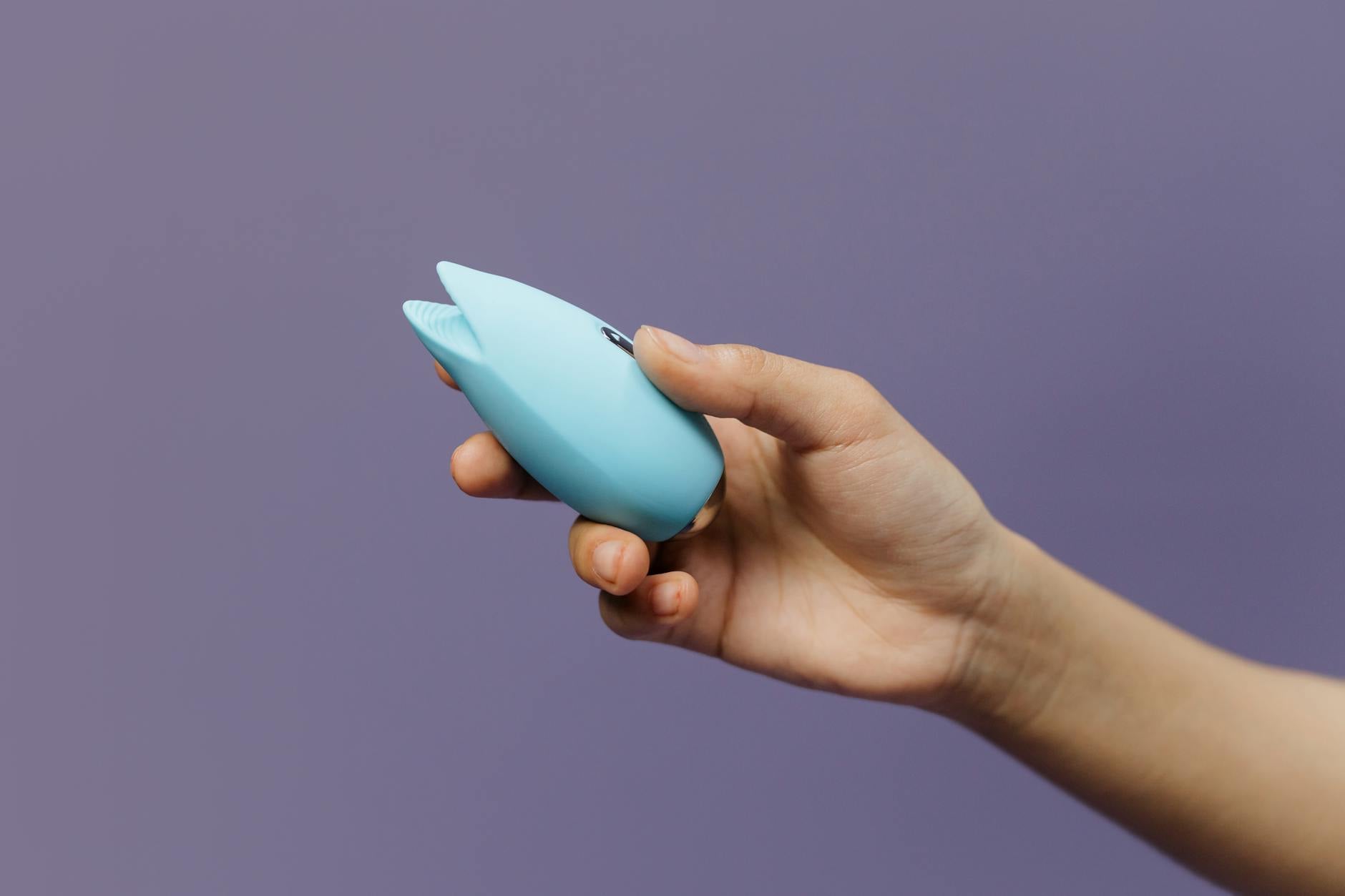
A lemon vibrator, specifically, can feel like admitting something is "not enough." Your partner might hear it as "you're not enough." That's the story we tell ourselves. The reality is different: a vibrator is a different sensation, not a replacement. Air-suction clitoral stimulation from a lemon vibrator or Hello Nancy's Lem works on the body in ways fingers, mouths, and even penetration don't. It's not comparative. It's additive.
The research backs this up. Couples who introduce toys together report higher sexual satisfaction and, counterintuitively, higher emotional intimacy. The vulnerability of asking for what you want, and the willingness to explore it with your partner, deepens trust.
How to have the conversation (without it becoming a fight)
Timing matters. Don't bring it up during sex, in the heat of the moment, or when either of you is stressed. Bring it up in a neutral moment, ideally sitting down, ideally not right before bed.
Start with curiosity, not demand. "I've been reading about how different vibrators feel, and I'm curious what you think about trying one together" lands differently than "I need a vibrator." The first opens a door. The second can feel like criticism.
Then listen. If your partner is hesitant, ask why. Really ask. Let them tell you the story they're telling themselves. Often it's not the vibrator itself. It's insecurity, or a belief they learned years ago about what sex "should" be, or worry about what it means if you enjoy it. Those worries deserve space to be named. Once they're named, they're smaller.
Make it about exploration, not prescription. You're not saying "we need this." You're saying "I want us to try this together, and I'm interested in what that feels like for you."
Starting small (and why lemon vibrators work well for couples)
If your partner is nervous, don't start with the strongest setting. Don't corner them in the bedroom. Introduce the lemon vibrator in a low-pressure moment.
Some couples find it helpful to let their partner hold the toy first, even outside the bedroom. Let them turn it on, feel the sensation on their fingertips, get familiar with it as an object. That removes some of the mystery and makes it less like a stranger showing up to your bed.
When you do use it together, start with lower intensity settings. Most lemon clitoral vibrators have multiple patterns and speeds. Begin at pattern 1 or 2, not the maximum. Let your partner control it at first if that helps them feel safe. Many people feel more ease when they're holding the tool and can decide exactly what's happening.
A lemon sucker or similar air-suction toy is gentler than traditional vibration in some ways. The sensation is different. It's not a buzzing kind of touch. It's more like a gentle pull and release. For some partners, that feels less intimidating.
What to expect when you actually try it
The first time might feel awkward. That's normal. You're introducing a third object into something that's been just you two. The logistics are weird. The angles change. Someone's hand is in a different place. That's fine. You're not trying to recreate your usual rhythm perfectly. You're experimenting.
Some partners get anxious watching their partner's face. They're worried the vibrator is "doing the job" instead of them. Check in. Ask what feels good. Invite them to guide your hand. Remind them that their touch and presence are not being replaced. The vibrator is just a tool you're using together.
Orgasm might be different. Faster sometimes, more intense, a different shape. That's not bad. It's just information. "That felt different" is all the conversation needs to be. You don't have to make it mean anything.
Some partners find that using the vibrator takes pressure off penetration. When there's a lemon clitoral vibrator bringing consistent stimulation, the other partner can focus on rhythm and connection rather than trying to hit exactly the right spot. That's actually when many couples report that sex feels more connected, not less.
Building the habit (so it doesn't feel like a one-time experiment)
If the first experience goes well, don't let it become this special thing you talk about for weeks. Use it again. Make it normal. The more it's woven into your regular rhythm, the less it feels like a "thing."
You might also explore what you each like. Does one partner enjoy having the vibrator used on them? Do both? Does your partner like watching you use it on yourself while they're inside you? Every couple finds their own shape. There's no right way, only what works for you two.
If it doesn't go well the first time, or your partner doesn't want to try it, that's also completely valid. This is not a test of your relationship. Some people never want to use vibrators with a partner, and that's fine. But often, when there's resistance, it's worth circling back gently after some time has passed. Sometimes a conversation feels scary until you've actually had it.
For readers who are curious about using a lemon vibrator solo first before introducing it to a partner, our guide on how to use a lemon vibrator for the first time walks through that comfort building step by step.
The bigger thing this conversation opens
What I've learned from years of couples therapy is that bringing a vibrator into the bedroom is rarely about the vibrator. It's usually the first time one partner has said "I want something different" without shame. And the partner's willingness to listen and explore, rather than defend or shut down, is what matters.
That vulnerability builds intimacy. You're admitting desire. You're admitting you don't have all the answers. You're asking for help. You're willing to feel awkward together. Those are the things that deepen partnerships over decades.
The vibrator is just the container for that conversation.
FAQs
Will using a vibrator with my partner make me want to only use a vibrator?
No. If anything, couples who use vibrators together report broader sexual satisfaction and more diverse types of sex. The vibrator becomes one tool among many, not the only way you connect. Think of it like cooking. Learning to use a new technique doesn't make you forget how to cook the way you've been cooking for years.
What if my partner thinks a vibrator means they're not satisfying me?
That's the most common fear, and it's worth addressing directly. You might say something like: "This isn't about what you're not doing. It's about trying something new together. You're absolutely satisfying to me. This is about expanding what we experience together." Then mean it. If there are actual satisfaction issues in your sex life, those are separate conversations that might benefit from a therapist.
How do I introduce the idea if we've never talked about desire or fantasy before?
Start smaller. Ask your partner what they fantasize about. Ask what feels good right now. Build permission gradually. Once you've had a few conversations where desires are named without judgment, bringing up a vibrator feels less shocking. Reading articles together, like this one, can also lower the stakes. It's not just coming from you. It's a broader conversation.
Are lemon vibrators better for couples than other toys?
They're really good for couples because they're compact, the sensation is approachable for people new to toys, and they allow for full-body contact while in use. A lemon clitoral vibrator from Hello Nancy works particularly well because you can hold it or use it hands-free with a partner. But "better" depends on what you both want.
What if my partner says no, and I'm disappointed?
That's a real feeling, and it's worth sitting with. If this is a hard boundary for them, you have a choice: you accept it and explore other ways to enhance your sex life together, or you explore whether this is part of a larger pattern of not feeling heard. Sometimes one "no" is just a no. Sometimes it's a sign that something deeper needs attention.
Should we talk about lube before trying a lemon vibrator?
Absolutely. Water-based lube makes the experience smoother and more comfortable, especially if your partner has vulval sensitivity. Check out our complete guide to lubricants for lemon vibrators for specifics. This conversation can actually be another good entry point: "I want to make sure we're comfortable. What do you think about using lube?"
The thing nobody tells you
Introducing a toy together, when it works, becomes one of those moments you look back on as a turning point. Not because the vibrator changes everything. But because you decided to be honest about desire, and your partner said yes. That willingness to stay curious about each other, and to keep exploring what feels good together, is what sustains long-term partnerships.
The vibrator is just the beginning.