
How to Introduce a Lemon Vibrator to Your Partner (Without the Awkward Conversation)
Let's be real: bringing up the idea of a clitoral vibrator with a partner can feel loaded. You're not just proposing a new toy. You're potentially triggering worries about adequacy, assumptions about desire, or fears that something's wrong. The truth is simpler. Adding a lemon vibrator to partnered sex isn't a referendum on anyone. It's just good information about what feels good.
Why the conversation feels awkward (and why it doesn't have to be)
Most of us grew up without a language for pleasure. Sex education taught us reproduction, not sensation. Partners often inherit this silence, so when one person wants to introduce something new, the other person might hear "you're not enough" instead of "I want to feel something different." That's not your fault. It's the culture we were handed.
Here's what changes the dynamic: framing. If you approach it as "here's something I want to explore" rather than "something's missing," you've already shifted the energy. A lemon vibrator isn't a complaint. It's an expansion.
Start before you buy
This is the part most people skip, and it's the most important. Don't surprise your partner with a vibrator on the nightstand. Buy the conversation first.
The best opening usually happens outside the bedroom, when you're both relaxed. Walking, driving, or sitting with coffee works better than lying in bed. Your nervous system reads the environment as lower-stakes, which makes honesty easier.
You might say: "I've been thinking about trying something new with you. I read about these clitoral vibrators, and I'm curious. What do you think about that?"
Notice what's happening here. You're not asking permission. You're inviting exploration. You're also specific enough that your partner knows you've thought about it, not that you're making a random demand.
If your partner's first response is defensive, pause. Don't push. Ask questions instead. "What worries you about it?" Often the anxiety isn't about the vibrator itself. It's about what they think it means. Sometimes it's about feeling replaced. Sometimes it's insecurity. Sometimes they just need time. All of those are workable if you're curious instead of defensive.
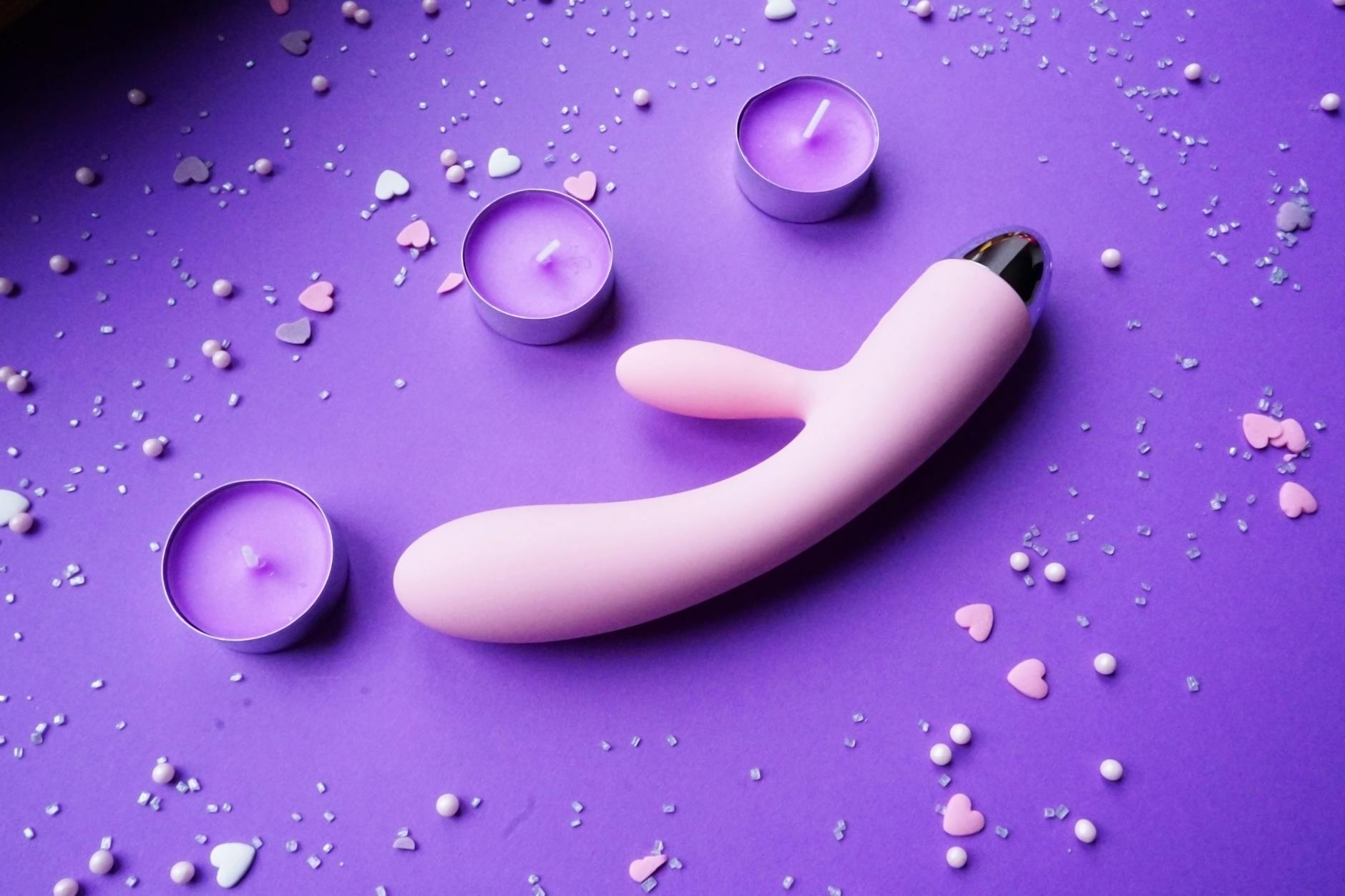
Photo by FounderTips on Pexels
Normalize it as a tool, not a replacement
Most partners worry (even if they don't say it out loud) that a vibrator means you'd rather be alone. This is worth addressing directly. You might say: "This isn't instead of you. It's different from you. I want both."
That's not always instantly reassuring, so show them. When you introduce a lemon sucker or lem vibrator into partnered sex, integrate it. Use it while you're kissing. Let your partner hold it. Have them watch, touch you while it's happening, or use it on you together. The goal is for them to see firsthand that this is collaborative, not solitary.
Some partners get it immediately. Others warm up by watching. Some need to use it on you once before the worry dissolves. All of these are normal. Patience here is an act of care.
Timing matters more than you think
Don't introduce a new toy during a moment of disconnection or sexual dissatisfaction. If you've been feeling distant, a vibrator will feel like a band-aid, and your partner will resent it. If things are good, adding something new feels like genuine exploration.
Also: don't introduce it when either of you is tired, stressed, or distracted. Pick a time when you both have space and energy. Morning sex, a weekend afternoon, or even a planned evening dedicated to it works much better than 11 p.m. on a worknight.
Show, don't tell
Once you've had the conversation and your partner's said yes, show them the device. Let them hold it. Explain how it works. Lemon clitoral vibrators use suction and pulsing patterns, which is very different from the direct pressure of a wand vibrator. Your partner might not know the difference, so explaining it demystifies the thing. "It's designed to feel like this specific kind of stimulation" is less scary than "it's a vibrator."
You might also share what drew you to it. "I read that people love this pattern for intensity" or "this one's designed for sensitive skin, and I thought it might help me come faster." Being specific reduces anxiety. Mystery breeds worry. Information breeds confidence.
The first time (do it together)
When you first use a lemon vibrator with your partner, don't leave it to chance. Build in time to explore without pressure.
Start with foreplay as usual. Once you're aroused, introduce the toy. You might guide your partner's hand with it, or take the lead yourself while they watch. Don't jump straight to high intensity. Start low and build. This gives your partner a chance to see that it's not overwhelming, and it lets you relax into the experience.
Talk a little. "That feels good," "a bit higher," "slower." Feedback shows your partner they're doing this right. It also keeps sex from feeling silent and clinical. You're in conversation together.
Address the actual insecurities (yours and theirs)
Sometimes the resistance to a toy isn't really about the toy. It's about deeper stuff: fear of aging, body image, feeling replaced, or unresolved conflict. A vibrator won't fix those. Communication will.
If your partner seems resistant even after the conversation, ask directly. "I'm sensing hesitation. Help me understand." Maybe it's not about the vibrator at all. Maybe they're feeling disconnected, or they have shame around pleasure that has nothing to do with you. Those conversations are harder but also more valuable than any toy.
Equally, check in with yourself. Are you introducing this because you genuinely want to, or because you think you should? Are you hoping it will fix something that's actually a relationship problem? Be honest. A clitoral vibrator is a tool for pleasure, not a relationship repair kit.
The conversation after the first time
Once you've used a lemon vibrator together, check in. Not in a clinical way, but genuinely. "What did you think?" "How did it feel?" "Do you want to do that again?"
Your partner might say they loved it. They might say they felt awkward. They might want to try a different pattern or position. All feedback is useful. This becomes part of your sexual language together.
Sometimes a partner needs multiple experiences before comfort shows up. That's fine. Keep showing up with curiosity instead of pressure. "Want to try again?" is very different from "we should use this more." The first invites. The second demands.
What if your partner's a hard no?
This happens. Some people genuinely don't want toys in the bedroom, and that's their boundary to set. You get to have that preference too. If it's incompatible with what you need, that's real information about compatibility.
But before you decide it's a hard block, make sure you've actually had the conversation. Sometimes people say no to something vague and yes to something specific. "No vibrators" might become "yes to that one specific lemon vibrator" once they understand what it is.
If it's truly a dealbreaker for you, couples therapy is worth considering. Not because anyone's wrong, but because sex is real, and mismatches matter. A good therapist can help you both understand what's underneath the resistance and whether there's middle ground.
Using it together: practical tips
Once you're both onboard, a few things make the experience better:
Lubrication matters. Water-based lube works best if you're using silicone toys. It makes the experience smoother and more comfortable, especially if you're using a lemon vibrator intensely.
Timing helps. Know what patterns and intensities actually work for you beforehand. Trying to figure it out during partnered sex creates pressure. Solo exploration first means you can guide your partner toward what actually works.
Talk about positions. Some positions work better with toys than others. If you like being on top, you have more control. If you prefer lying down, your partner needs better access. This sounds technical, but it just means thinking it through instead of fumbling in the moment.
Position the toy so your partner can still touch you. You want their hands, mouth, or body on you while the vibrator's doing its thing. That integration is what makes it feel collaborative instead of solitary.
The bigger picture: pleasure as a partnership value
Introducing a lemon vibrator, or any clitoral vibrator, is ultimately about saying: "Your pleasure matters. My pleasure matters. We care about both." That's a genuinely powerful statement in a relationship.
Many couples never have an explicit conversation about sex. Toys force you into one. You have to say what you want. You have to listen to what your partner wants. You have to negotiate timing, comfort, and boundaries. That's not awkward. That's intimacy.
If this conversation feels hard, it's because our culture made it hard. But hard doesn't mean wrong. On the other side of that conversation, most couples find deeper connection, better communication, and sex that actually works for both people. The vibrator's just the vehicle.
People also ask
Will my partner feel threatened if I introduce a lemon vibrator?
Some partners do feel threatened initially, usually because they're worried about inadequacy or being replaced. The conversation before you buy anything is where you address this. Frame it as exploration, not criticism. Show them the toy. Use it together. Most insecurity dissolves once they see it's collaborative, not competitive. If it persists, that often points to deeper relationship issues worth discussing with a couples therapist.
How do I know if my partner will be interested in a clitoral vibrator?
You won't know until you ask. Some people are enthusiastically onboard immediately. Others need time or information to warm up. The only way to find out is to have the conversation. Start outside the bedroom, be specific about what you're thinking, and listen to what they're actually saying versus what you think they mean.
Can we use a lemon sucker during partnered sex if my partner isn't inside me?
Absolutely. Lemon vibrators work beautifully during many types of partnered sex. You might use one while your partner penetrates you, while you're receiving oral sex, while you're on top, or during foreplay. The toy expands options instead of limiting them. Experiment with positions and see what works.
What if I want a toy and my partner doesn't?
That's a real incompatibility worth taking seriously. You have the right to explore your own pleasure solo, and your partner has the right to their boundaries around partnered sex. If both of those things are true and they conflict, couples therapy can help you figure out if there's middle ground or if this matters enough to end the relationship. Don't minimize either person's needs.
Is using a lemon clitoral vibrator with a partner less intimate than sex without toys?
No. Intimacy is about presence, communication, and vulnerability. A toy adds none of those things and removes none of them. If you're using a vibrator while you're disconnected or resentful, it might feel transactional. If you're using it while you're genuinely present and talking together, it deepens connection. The toy doesn't determine the intimacy. Your presence does.
How do I bring up lemon vibrators if we've never talked about sex directly?
Start with the easiest version of the conversation. You don't need to discuss your entire sexual history or philosophy. You just need to say: "I've been thinking about trying something new. I read about these toys that use suction instead of vibration. I'm curious about exploring that together. What do you think?" That's specific enough to be clear without being overwhelming. If your partner's response is shut-down, don't push. Try again in a few days in a different way. Sometimes people need time to process.
The takeaway
Introducing a lemon vibrator to your partner is a conversation, not a transaction. You're not buying a toy and dropping it on the nightstand. You're saying that pleasure matters to both of you, and you're willing to talk about it. That conversation is harder than the toy itself, but it's also where the real intimacy lives.
If you want to explore further, check out our complete guide to lemon vibrators or read about best clitoral stimulation patterns. And if communication around sex feels genuinely stuck, that's what a couples therapist is for. Your pleasure deserves that kind of care.
For more guidance on getting started, explore our beginner's guide to using a lemon vibrator or reach out to us at /contact with questions.