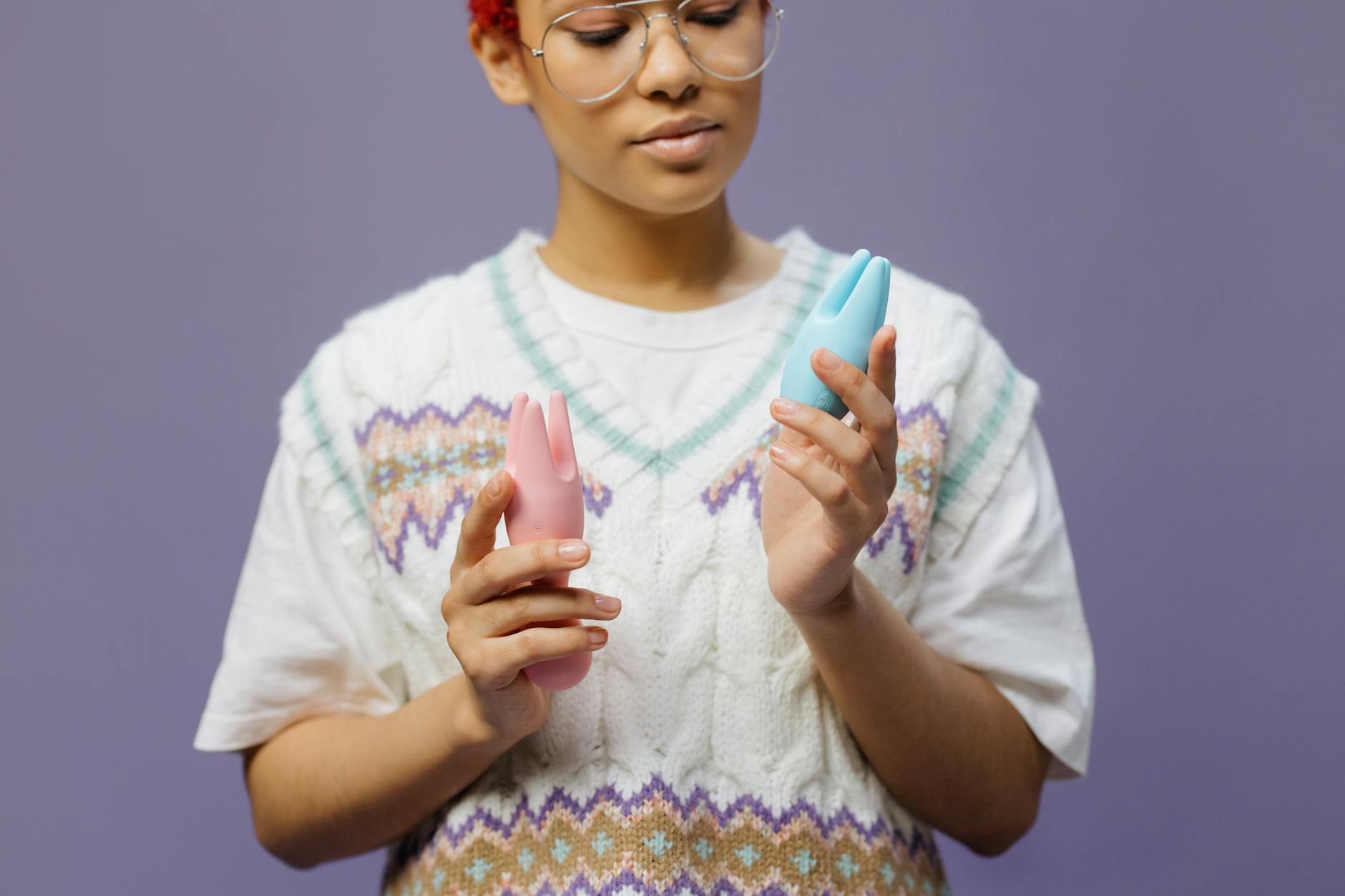
If direct stimulation makes you flinch, you're not alone
Clitoral sensitivity isn't a flaw in your wiring. It's actually the opposite. Your nerve density is working overtime, which is why even light touch can feel overwhelming or uncomfortable. The problem isn't your body. It's that most vibration patterns are designed for people with average sensitivity, not for you.
Here's the good news: lemon clitoral vibrators, especially air-suction designs, can be wildly better than traditional vibrators for sensitive tissue because they work differently. Instead of harsh direct vibration, suction creates a gentler, more diffused sensation that can feel incredible without the assault-mode feeling you might've experienced elsewhere.
Why lemon vibrators feel different on sensitive tissue
Most vibrators work through rapid back-and-forth motion. Imagine tapping your skin repeatedly. Now imagine someone cupping your hand gently and creating subtle pressure. That difference is what makes lemon sexual toys so different.
Air-suction vibrators like the Lem Clitoral Vibrator use a pulsing suction mechanism that doesn't rely on intense vibration patterns. The sensation is more about pressure and rhythm than speed. For sensitive clitorises, this translates to several advantages:
The stimulation is spread across a wider surface area rather than concentrated on a single point. You're not being directly vibrated. Instead, the suction creates a rhythmic sensation that builds intensity gradually. Most importantly, you have total control over the intensity from the very first pulse.
Many people with sensitive clitorises report that suction feels like a completely different category of pleasure. It's almost like your body finally understands what a vibrator can do for you instead of against you.
The sensitivity spectrum and what it means for you
Clitoral sensitivity isn't binary. It exists on a spectrum, and where you fall changes which patterns work.
Hypersensitive: Even gentle pressure during arousal creates overstimulation. You might need to avoid direct contact entirely until you're deeply aroused.
Moderately sensitive: Light vibration feels good for 30 seconds, then becomes uncomfortable. You need rest breaks.
Situationally sensitive: Sensitivity changes based on your cycle, stress, sleep, or hydration. Some days you're fine with intensity. Other days, nothing.
Recovering sensitivity: You've numbed yourself over years of heavy vibration or pressure and are trying to rebuild sensation.
If you're in any of these categories, the standard advice to "just use it on low" often fails because even low settings on most vibrators are too intense. Lemon clitoral vibrators solve this by offering gentler suction options that don't rely on aggressive vibration at all.
How to start with a lemon vibrator if you're sensitive
Three non-negotiable rules before your first session.
Start with external arousal first. Don't jump straight to the vibrator. Spend 10-15 minutes on foreplay, fantasy, or slow manual stimulation. Your clitoris needs to be swollen and engorged before any vibrator enters the picture. Arousal changes the tissue structure. A sensitive clitoris at rest will flinch. A sensitive clitoris in full arousal often tolerates sensation beautifully.
Begin at the lowest setting with suction only, no vibration. Most air-suction vibrators let you use the suction component solo before layering in pulsing patterns. Start here. Hold the Lem (or similar lemon adult toy) against your clitoris at the gentlest suction level. You're not looking for pleasure yet. You're looking for comfort and familiarity.
Keep a hand on the controls the entire time. You need instant access to lower intensity or stop. This isn't sexy. It's essential. Many people with sensitivity anxiety get nervous about being stuck with an overwhelming sensation. Knowing you can adjust every single second changes everything.
Patterns that work for sensitive clitorises
Once you're comfortable with gentle suction, patterns matter.
Skip the fast, frantic patterns entirely. They don't work for sensitive tissue and they'll teach your body to brace against stimulation instead of opening to it. Instead, look for rhythmic, slow patterns that build gradually.
The best patterns for sensitivity are rhythmic pulses with clear pauses. Think of it like a heartbeat instead of a jackhammer. A pattern that pulses three times, pauses, pulses three times, pauses creates a buildup-and-release rhythm that sensitive clitorises love. Your nervous system can anticipate what's coming instead of getting shocked.
Many lemon vibrators offer a slow ramp pattern that starts gentle and gradually increases intensity. This is ideal for sensitive people because you're never making a sudden jump. If you hit a point where it becomes too much, you're already familiar with the escalation and can ease off.
Play with pause time too. Some people find that patterns with longer pauses between pulses feel infinitely better because their clitoris isn't constantly under stimulation. The brief rest lets sensation reset and rebuild.
Lubrication and barrier techniques for comfort
Direct contact isn't always necessary.
If you're sensitive to the texture of silicone or the seal created by suction, try putting a thin layer of lubricant between the vibrator head and your clitoris. Water-based lube works fine. It creates a slippery barrier that softens sensation without changing the core feeling of suction.
Some sensitive people prefer using a vibrator over underwear or through a thin fabric layer. This diffuses sensation further. It sounds odd, but it works. The fabric acts as a gentle muffler.
You can also create a barrier with your hand. Cup your hand over the vibrator head and your clitoris together. This lets you control intensity through hand pressure while still getting the suction benefit. It's slower, more manual, but deeply worth trying if direct contact overwhelms you.
The mental piece: rebuilding trust with vibration
If you've had bad experiences with other vibrators, your nervous system remembers.
Many sensitive people have tried traditional vibrators in the past and found them painful or overwhelming. Your body learned to tense up when a vibrator gets close. That protective tension actually makes sensitivity worse because clenching reduces bloodflow and increases surface nerves' reactivity.
Working with a lemon clitoral vibrator is a chance to rewire that reflex. Go slowly. If you notice yourself bracing (clenching pelvic floor muscles, holding your breath), stop immediately. Don't push through. Instead, spend time just holding the vibrator against your skin without turning it on. Let your nervous system recognize this object as safe.
Some people find it helpful to use a vibrator during partnered sex rather than solo first. The presence of a partner you trust can reduce anxiety and help your body relax. Others prefer solo exploration first to eliminate performance pressure.
There's no wrong sequence here. The only rule is that your comfort comes before speed. Rebuilding sensation and trust takes weeks, not nights. That's normal.
When sensitivity signals something else
If stimulation causes pain rather than overstimulation, pause and check in with yourself.
Pain is different from sensitivity. Sensitivity is an intensity issue. Pain is a damage signal. If vibration causes sharp pain, burning, or numbness afterward, you might have vulvodynia, localized provoked vulvodynia, or another condition that needs clinical evaluation. A pelvic floor physical therapist or gynecologist trained in pain conditions can help. Vibrators aren't the answer when pain is involved.
If your sensitivity is new or has changed dramatically, it's worth mentioning to your doctor. Hormonal shifts, medications, and a few other factors can increase clitoral sensitivity suddenly. Context matters.
FAQ: Sensitivity and Lemon Vibrators
Can you use a lemon vibrator every day if you're sensitive?
Yes, but with caveats. Daily use is fine if you're not causing tissue irritation or numbing sensation. The risk with sensitive clitorises isn't overuse itself. It's the temptation to compensate for dulling sensation by using higher intensity. Start at low intensity and resist the urge to escalate. If you notice your clitoris feeling numb or sore after sessions, take a few days off. Your tissue needs recovery time.
How long does it take to adjust to vibration if you've always been sensitive?
Some people feel comfortable immediately. Others need 4-6 weeks of consistent, patient exploration. There's no timeline. The nervous system works on its own schedule. Focus on progress, not speed. If today feels easier than last week, that's movement. That counts.
Is it better to use a lemon vibrator or manual stimulation if I'm sensitive?
It's not either-or. Many sensitive people find that combining both works best. Use your hand or a partner's hand for initial arousal and warmup, then introduce the vibrator once you're deeply aroused. Some people alternate. Some use vibration for 30 seconds, then switch back to manual touch. Experiment. Your body will tell you what feels best.
Can sensitivity improve over time?
Absolutely. With consistent, low-pressure exploration and good bloodflow, many people rebuild tolerance and sensation. You're not stuck with high sensitivity forever. That said, some people are neurologically wired for sensitivity. That's not something that changes, and that's fine. The goal isn't to become less sensitive. It's to explore pleasure in a way that works for your nervous system.
What if lemon vibrators still feel too intense even on the gentlest setting?
Try a slower vibration frequency or a different toy design entirely. Some lemon sexual toys offer even more gradual suction than others. You might also explore non-vibrating options first, like manual massage or partner stimulation. Some people find that rebuilding sensation takes months of gentler exploration before vibration feels right. Be patient with your body.
Does arousal level really change how vibration feels?
Completely. The difference between a non-aroused clitoris and an aroused one is dramatic. Tissue thickens, nerve endings become less exposed, and overall sensation mellows. Many sensitive people find they can tolerate intensity they'd hate when non-aroused. This is why foreplay and buildup matter so much.
Your sensitivity isn't a limitation
It's information. Your body is telling you exactly what it needs. The fact that you're sensitive doesn't mean vibrators aren't for you. It means you need the right tool and the right approach. Lemon clitoral vibrators, with their gentler suction mechanism, often unlock pleasure for people who thought vibrators were off the table entirely.
Start slowly. Build gradually. Trust your body's signals. And remember: the best vibrator is the one that makes you feel good, not the one that's fastest or strongest. For sensitive clitorises, gentle often wins.