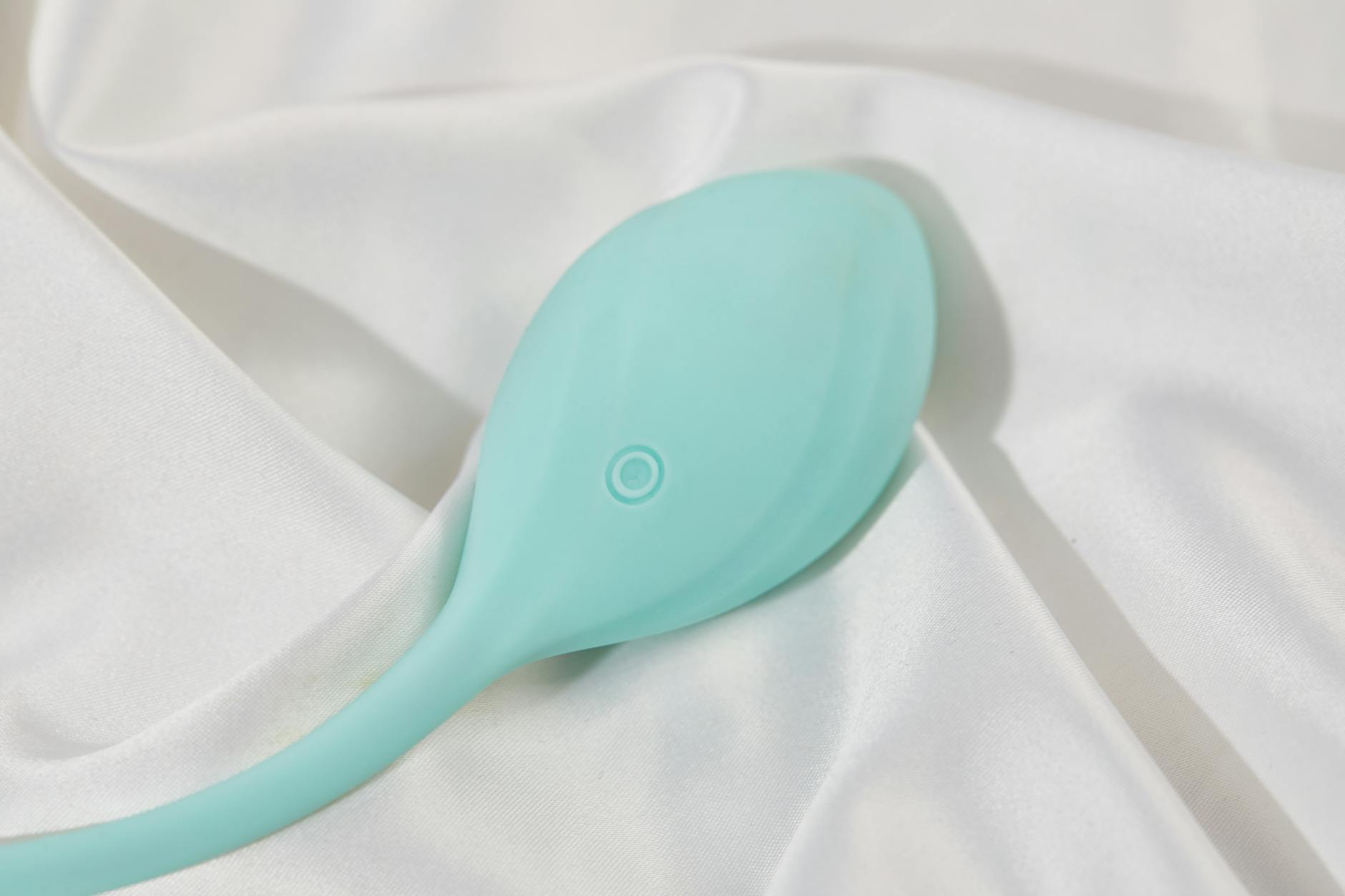
Let's talk about the pattern no one mentions
You've probably noticed that your body responds differently depending on the day of your cycle. One week you're ready to go, the next week you need way more time to warm up. Most people chalk this up to mood or stress. But here's the thing: it's also neurological and vascular. Your clitoral sensitivity literally changes throughout your menstrual cycle, and if you're using a lemon vibrator or any clitoral stimulator, understanding this shift transforms how effectively you can pleasure yourself.
I'm not talking about desire here. Desire is complicated and contextual. I'm talking about sensation. The physical responsiveness of your clitoris to stimulation changes measurably across four distinct phases. This isn't mystical. It's hormones and blood flow. And once you know it, you can work with your body instead of wondering why the same vibrator feels wildly different week to week.
The follicular phase: heightened sensitivity (days 1-14)
This phase starts on day one of your period and runs until ovulation. Your estrogen is climbing. Blood flow to your clitoris increases. The tissue becomes more engorged and slightly more exposed. Your nerve endings are more responsive.
What this means practically: most people find that lemon vibrators and other clitoral toys feel more effective during this window. You'll likely reach orgasm faster. The sensation feels sharper and more direct. Your clitoris might be more visible too, which changes how well a device like the Lem makes contact.
How to adjust: start at pattern 2 or 3 instead of pattern 1. You can probably go higher without discomfort. Your warm-up time might be 5 to 10 minutes instead of 20. If you usually find a particular intensity overwhelming, you might tolerate it better right now. Lean into this window. Your body is primed for pleasure.
Ovulation: peak sensitivity (days 13-15 or so)
Right in the middle of your cycle, hormone levels spike. Luteinizing hormone (LH) surges, triggering ovulation. This is when your clitoral sensitivity peaks. Blood flow is at its maximum. Nerve sensitivity is highest.
This is also when most people report the strongest orgasms and the shortest time to reach them. If you've ever had an orgasm that felt almost electric or arrived within seconds, you were probably ovulating.
The catch: this heightened sensitivity can also mean overstimulation happens faster. What feels amazing at light touch might feel too intense at medium. The Lem's suction mechanism, which distributes pressure differently than a traditional vibrator, can feel particularly intense during ovulation.
How to adjust: this is the week to experiment with lower intensity patterns if you usually go high. Start lower than you think you need. You'll likely still reach orgasm quickly, but you'll avoid the sensation of being overstimulated, which breaks focus and frustration. Pay attention to what your body is asking for. Ovulation is your body's peak pleasure window. Honor it.
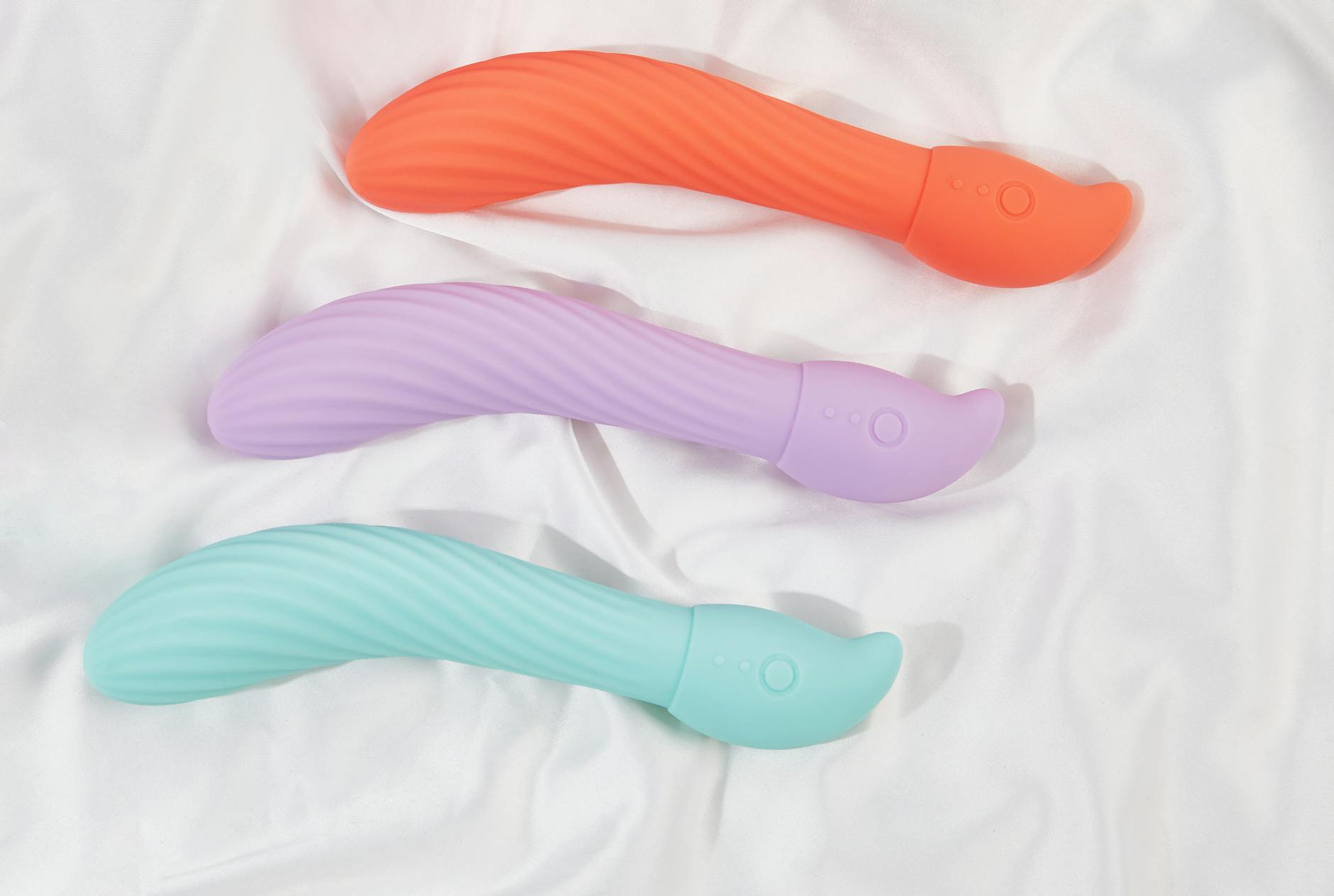
Photo by IFONNX Toys on Pexels
The luteal phase: lower sensitivity (days 16-28)
After ovulation, progesterone rises. Estrogen drops (then rises again slightly before your period). Blood flow to the clitoris decreases. The tissue becomes less engorged. Sensation dulls.
This is the phase where people often feel frustrated with toys. The same lemon vibrator that felt perfect two weeks ago now feels like it barely registers. You need more intensity. Your warm-up time doubles. You might not reach orgasm at all, or it takes significant effort.
This isn't a problem. It's a phase. Understanding it prevents the shame spiral where you think you're broken or that something's wrong with your toy.
How to adjust: increase intensity gradually during this phase. If you normally use pattern 3, try pattern 5 or 6. Take 15 to 25 minutes for warm-up instead of rushing. Use a lubricant even if you don't usually need one. The reduced blood flow means less natural lubrication, and a bit of external help changes everything. Consider extending your session. Sometimes the orgasm that takes 20 minutes is deeper and more satisfying than the one that came in five.
Your period: variable and often excellent
The first few days of your period are unpredictable. Some people find their clitoris hypersensitive to the point of tenderness. Others find pleasure heightened because of increased blood flow and the intensity of uterine contractions. There's no universal rule here.
What matters is checking in with yourself. If touching your clitoris feels too sensitive, skip the vibrator that day. If it feels good, great. Orgasms can actually help ease period cramping, so this isn't frivolous. Your pleasure during your period is legitimate.
How to adjust: listen to your body without agenda. If stimulation feels good, go for it. If your clitoris is tender, pivot to a different kind of pleasure or skip it entirely. There's no prize for using a lemon vibrator if your body is asking for rest.
Why timing matters with air-pulse toys specifically
The Lem and similar air-suction clitoral vibrators work by creating rhythmic suction and pulsing rather than direct vibration. This method is gentler on sensitive tissue, which matters enormously when you're in a low-sensitivity phase. Because the stimulation is distributed differently than a traditional vibrator, you might find that air-pulse toys work better than vibrators across more of your cycle. The range of tolerance is wider.
That said, during your most sensitive phases (ovulation especially), even gentle suction can feel intense. You still need to adjust your intensity level and warm-up time. The mechanism might be different, but the physiological reality of your cycle doesn't change.
Tracking what actually works
Honestly, the best thing you can do is pay attention. For two or three cycles, notice when you reach orgasm easily and when you don't. Notice what intensity feels good when. Notice how long warm-up takes. Keep a simple note on your phone. One-word entries are fine: "Easy." "Took longer." "Tender."
Within three months, a pattern will emerge. You'll know exactly which days you can jump into pleasure and which days need a longer runway. Once you know, you stop fighting your body. You plan accordingly. You use the right intensity on the right day. Pleasure becomes easier.
People also ask
Does birth control change how lemon vibrators feel?
Yes. Hormonal birth control flattens your hormone levels. If you're on the pill, patch, or ring, your estrogen and progesterone stay relatively stable across the month. This means your clitoral sensitivity stays more consistent too. You might not experience the dramatic shifts people off hormonal contraception feel. Some people find pleasure becomes steadier but less intense. Others love the predictability. If you've started birth control and noticed your response to your lemon vibrator has changed, that's normal. It takes a few cycles to adjust. Your sensitivity will plateau at a new baseline.
Is it normal if my lemon vibrator doesn't work during certain weeks?
Completely. If you're not reaching orgasm during your luteal phase, you're not broken and your toy isn't broken. Your sensitivity is physiologically lower. This is when longer warm-up, higher intensity, and patience matter most. Some people skip vibrators during low-sensitivity weeks and use other forms of stimulation instead. That's fine too. Your body isn't obligated to respond the same way every week.
Can I use my lemon vibrator during my period safely?
Yes. There's no medical reason not to. Menstrual fluid won't damage the toy. Orgasms don't increase bleeding. Your clitoris doesn't become more fragile. The only reason to skip is if it doesn't feel good to you. Some people love the sensation during their period. Others find it uncomfortable. It's your call.
Why do I feel more pleasure with air-pulse toys during my period?
Several reasons. The gentle suction feels soothing to some people when they're cramping. The rhythm can actually sync with your body's natural contractions, which feels good. And there's the simple fact that different stimulation can feel less intense than traditional vibration. If the Lem feels better during your period than your usual vibrator, stick with it during that week.
Should I change my lube throughout my cycle?
Not necessarily, but you can. During high-sensitivity phases, you might not need lube at all. During your luteal phase, adding lube makes a real difference. Use the same water-based lube you'd use anytime (never silicone with silicone toys), but apply more generously during low-sensitivity weeks. You're not adding sensation, you're reducing friction, which lets you feel the suction or vibration more clearly.
Does cycle syncing with pleasure actually work?
Yes, but not in the mystical way some people frame it. Your body's response to clitoral stimulation changes measurably throughout your cycle. Working with those changes instead of fighting them means better orgasms, less frustration, and more pleasure overall. That's not woo. That's neurology.
The bottom line
Your lemon vibrator didn't break. Your body didn't break. You're not losing your mind because the same toy feels different week to week. Your cycle is working exactly as it should. Understanding the four phases helps you stop blaming yourself and start working with your physiology instead of against it. Next time you reach for your Lem, check where you are in your cycle. Adjust your intensity and warm-up time accordingly. Then enjoy the ride.
If you're interested in deepening your knowledge of how your body responds throughout your cycle, our buying guide offers detailed information on choosing the right tool for your needs. And if you're navigating cycle changes with a partner, communicating about these shifts makes pleasure easier for everyone.