Let's start with the thing nobody says out loud
A sexless phase doesn't mean you stop wanting pleasure. It means something else is happening. Whether it's stress, health, hormones, relational disconnection, or just the machinery of life grinding to a halt for a moment, a pause in partnered sex creates a specific kind of space. Your body still works. Your desire doesn't vanish. But how you access pleasure shifts.
And if you're reaching for a lemon clitoral vibrator during this time, you might notice it feels different than it did before. That's not a problem. It's information.
What actually happens to arousal during a sexless phase
When partnered sex stops, three things happen simultaneously. First, the anticipation machine that partnership fuels goes quiet. You're not building toward something shared. Second, the mental load of navigating intimacy with someone else lifts temporarily. There's no performance pressure, no wondering if your partner is enjoying themselves, no coordination needed. Third, your nervous system recalibrates. The brain stops priming for partnered interaction and settles into a different mode.
This isn't about whether you still love your partner or whether the relationship is healthy. It's neurobiology. When sexual connection pauses, the brain's sexual circuitry doesn't shut down. It just stops running on the same fuel.
For some people, this means arousal takes longer to build. The body might feel less responsive at first. For others, solo pleasure becomes sharper. Clearer. Less filtered through the needs of another person. You're not working with a partner's timeline, a partner's preferences, or a partner's body. You're working with your own.
How lemon vibrators work differently when you're solo
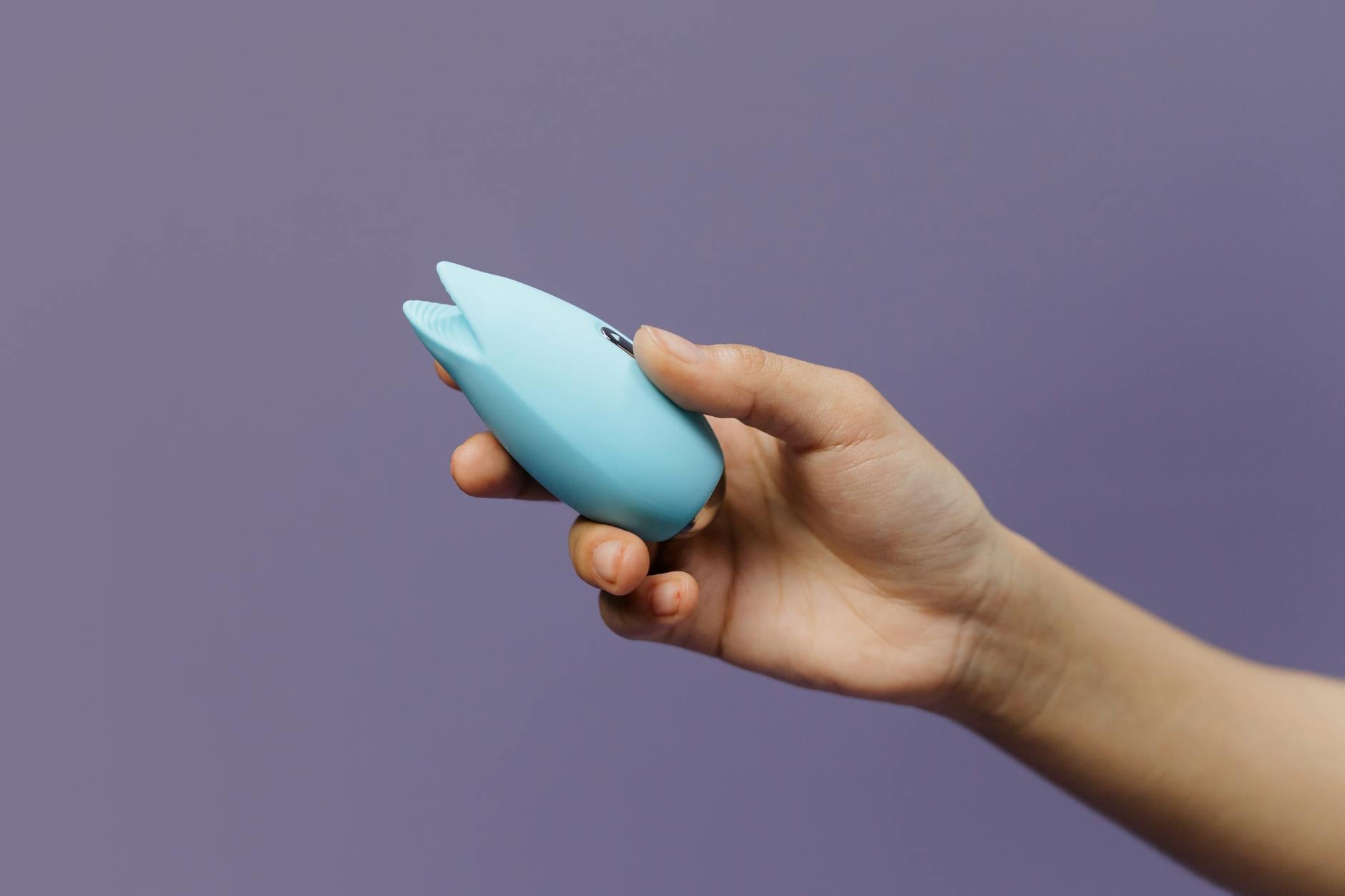
Air-pulse technology like the Lem vibrator creates stimulation through rhythmic suction and release rather than traditional vibration. In partnered sex, this tool often serves a specific role: bridging a gap, adding intensity, extending an experience. But when you're using it solo during a sexless phase, the relationship to the tool itself changes.
Without the coordination of another person, you have complete control over timing, pressure, and pattern. No negotiation. No waiting for someone to be ready. If you want to start at pattern 2 and stay there for twenty minutes, you do. If you want to experiment with patterns 4, 6, and 8 in sequence, you can. The lemon clitoral vibrator becomes a research tool as much as a pleasure tool.
Many people find that during solo sessions without the pressure of partnership, they can tune in to what actually feels good as opposed to what they think should feel good. You might discover that the suction at lower intensities is more satisfying than the faster patterns. You might learn that you prefer 15 minutes of buildup to a quick finish. You might find that some days you want pressure and some days you want gentleness.
The mental load question
One of the things I see most often in my work with couples in sexless phases is that the absence of partnered sex doesn't mean an absence of anxiety about sex. People often carry guilt about the pause. Or resentment about why it's happening. Or sadness about missing that connection. Those feelings don't evaporate when you reach for a toy.
But they do matter for how you experience pleasure. If you approach a lemon vibrator while carrying guilt or resentment, arousal will be harder to reach. Your nervous system will be in a protective state. This isn't a personal failure. It's how the body works.
That's why some people find that during a sexless phase, solo pleasure requires different framing. Not as a substitute for partnered sex (which it isn't and shouldn't be). Not as a betrayal of the partnership (which it isn't). But as a way of maintaining your own nervous system while your relationship recalibrates. Self-care that happens to feel good.
Once that reframing lands, arousal often comes more easily. Your body stops bracing.
What to adjust physically
Three practical things shift when you're using a lem vibrator during a sexless phase.
First, patience. Without the build of partnered foreplay, arousal takes longer solo. Budget twenty to thirty minutes instead of expecting sensation in five. Use the first ten minutes just to settle. Maybe add a longer warm-up. Some people find that reading something arousing, listening to a playlist, or even just spending time with their own thoughts helps the nervous system unlock.
Second, lubrication. When arousal is quieter or takes longer, the body might not produce as much natural lubrication. Water-based lube becomes less of a luxury and more of a baseline. It also changes how the air-pulse sensation feels. It creates a different texture, sometimes gentler, sometimes more intensely pleasurable. Experiment.
Third, location and timing. Solo pleasure during a sexless phase sometimes works better when you're not in the exact spot you usually share with your partner. The bed where you usually have partnered sex can carry complicated feelings. Some people find that using a vibrator in a different room, or at a different time of day, or even while traveling creates enough psychological distance to feel fully present.
The relationship question
Here's what I tell couples when they're navigating a sexless phase and one partner is using toys solo. The presence of a vibrator doesn't usually cause a sexless phase. It often helps manage the emotional weight of one. It keeps your nervous system from becoming touch-starved or pleasure-deprived while you figure out what's actually happening.
That said, solo pleasure during a sexless phase isn't an answer to the underlying reason for the pause. If the sexlessness is relational (you're disconnected, you've argued repeatedly, there's resentment), a vibrator is a band-aid, not a solution. If it's medical (hormonal, pain-related, recovery-based), that's a different question that might benefit from a GP's input. If it's situational (stress, childcare, work load), it might resolve on its own as circumstances change.
The tool doesn't fix the root. But it does help you stay connected to your own body while you work on the roots.
Some couples find that talking openly about solo pleasure during a sexless phase actually strengthens the partnership. Others find it creates new anxiety. Pay attention to your own relationship, not a template.
When to seek support
If a sexless phase lasts longer than a few months and neither partner feels hopeful about rekindling, that's a moment to bring in a couples therapist or sex therapist. I don't say that to alarm. I say it because these phases often contain important information about what's shifted in the relationship.
Sometimes that shift is temporary and manageable. Sometimes it's pointing to something bigger. Either way, a professional can help both partners understand what's happening and decide together whether to work toward reconnection or accept a different kind of partnership.
If you're using a lemon vibrator during a sexless phase and finding that it's becoming your only source of pleasure, or that thinking about partnered sex feels aversive, that's worth exploring too. Those feelings are data.
FAQ
Is it normal for orgasms to feel different when you're in a sexless relationship?
Yes. Orgasm is responsive to context, psychology, and nervous system state. In partnered sex, your body is orchestrating response with another person. Solo, your nervous system operates differently. Without the anticipation of partnership, climax sometimes feels more concentrated, sometimes more dispersed, sometimes takes longer to reach. All of these are normal. If it feels concerning, it's worth checking in with a partner or therapist about what's happening.
Can using a lemon clitoral vibrator too much make partnered sex harder to enjoy later?
Not directly. But if you're using it to avoid addressing the underlying reason for the sexless phase, you might find that avoidance compounds the disconnection. The tool itself doesn't rewire your response to your partner. What matters is whether you're using solo pleasure to maintain your own wellness or to sidestep relational work.
How do I talk to my partner about using a vibrator while we're not having sex?
Honestly. Something like: "I want to maintain my own sense of pleasure and connection to my body while we figure out what's happening." Not as a rejection of partnership. As a practical boundary for your own nervous system. Some partners receive that well. Others need reassurance that it's not a replacement or a criticism. Where you land often tells you something useful about whether you're aligned.
Does air-pulse stimulation work better than vibration when you're aroused differently?
It depends on your individual response, but air-pulse technology like the Lem tends to feel less intense when arousal is building slowly. The suction-and-release rhythm can feel gentler than constant vibration, which some people prefer during longer solo sessions. Experiment with patterns. Lower intensities sometimes reveal nuances that faster patterns obscure.
Should I be using a vibrator if my relationship is sexless?
That's a personal question, not a clinical one. If solo pleasure helps you feel connected to your own body and doesn't prevent you from addressing relational issues, most sex therapists would say yes. If it's a way of avoiding necessary conversations with your partner, that's worth examining. The tool itself is neutral. The context matters.
What if I feel guilty using a vibrator while my partner is stressed or depressed?
Guilty pleasure is still guilt, not actual wrongdoing. You maintaining your own body and nervous system while your partner is struggling is not selfish. It actually allows you to show up more resourced in the relationship. That said, if guilt is significant, it might be pointing to unspoken resentment or assumptions about sex and care. Worth talking about with a therapist, solo or together.
The reset doesn't have to be a return
When a sexless phase eventually ends, some couples return to exactly what they had before. Others find that solo pleasure exploration during the pause has changed what they want together. A lemon vibrator that felt like a tool becomes a different kind of invitation. Or it becomes something one partner uses solo and the other partner doesn't mention. Or it becomes something you use together in a way that wasn't possible before.
The point isn't to preserve a specific form of sexuality. It's to stay connected to yourself and your partner through whatever comes. Sometimes that means solo pleasure. Sometimes that means patience. Sometimes that means professional support to understand what the pause is really about.
Your body hasn't broken. The partnership hasn't failed by pausing. You're just in a different chapter. The tools you reach for matter. But the honesty matters more.