Let's talk about the gap
You haven't had sex in a long time. Maybe your partner moved away, or the relationship ended, or life got so full that partnered intimacy just stopped happening. Now you're thinking about touching yourself again, and something feels... off. Awkward. Like your body forgot how to want this.
Here's what I tell my clients: your body didn't forget. Something else happened. After months or years of absence, solo pleasure doesn't feel like coming home. It feels like learning a new language.
Why reconnecting with yourself feels harder than it should
When you've had a long gap from partnered sex, your brain gets rewired around that absence. You stop initiating touch. You stop noticing your own arousal. You might even start believing that you're just not a sexual person anymore, or that desire only happens with someone else.
That's not true, but it feels true. And that feeling is strong enough to stop you from trying.
There's also the practical piece: if you've gone years without solo touch, your pelvic floor likely tightened up. Arousal takes longer to build. Sensation might feel muted. You might experience a little pain or discomfort at first, which creates a feedback loop. "This doesn't feel good" becomes "I don't want to do this."
Adding to that is the psychological weight. If partnered intimacy was tied to emotional connection, or if the absence came with loss or grief, touching yourself can feel loaded. It's not just solo pleasure. It's an acknowledgment that you're alone, or a step toward rebuilding something that broke.
Why air-pulse clitoral vibrators are different
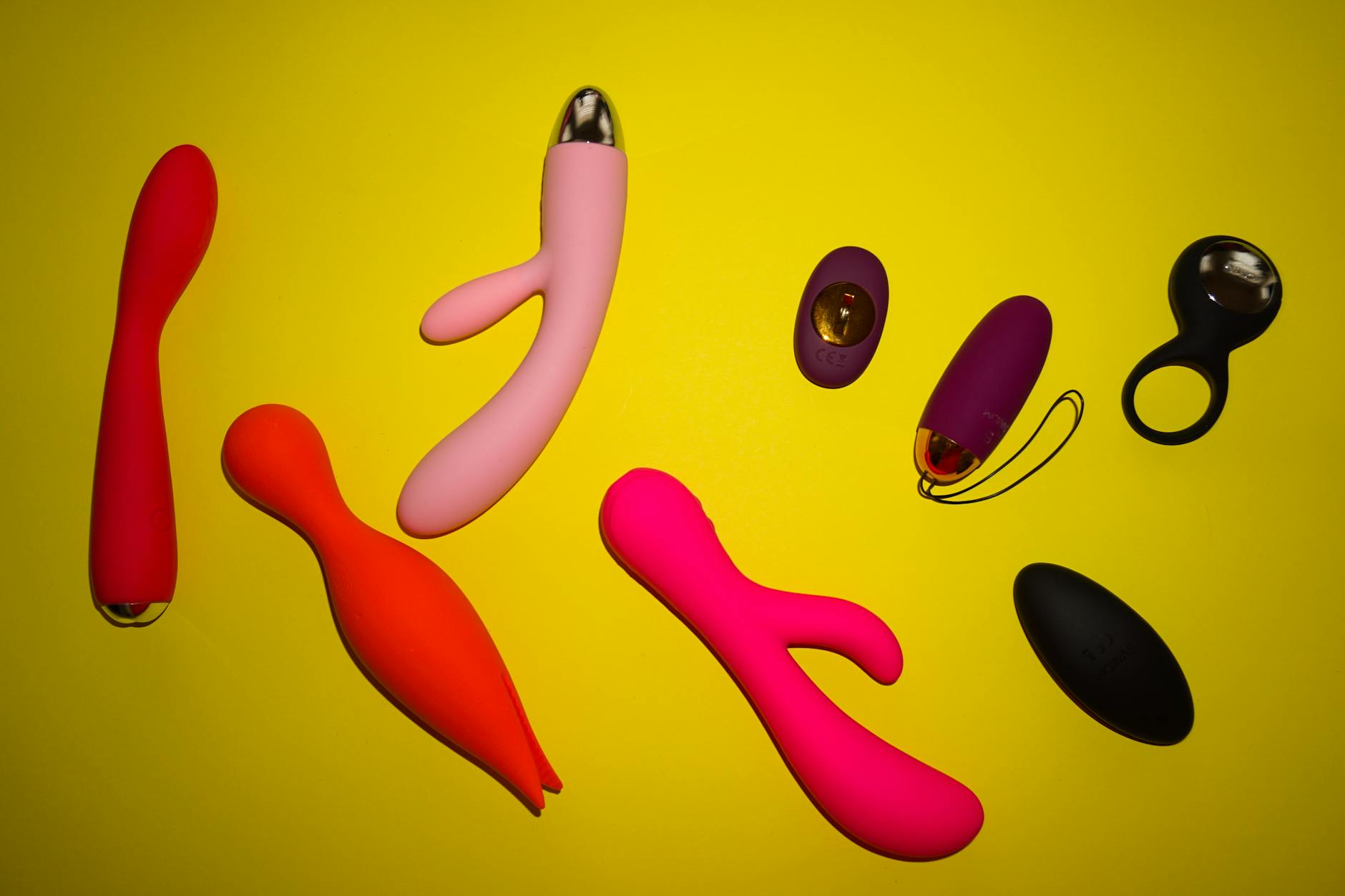
A lemon vibrator, like a Lemon Clitoral Vibrator or any air-pulse device, works differently than a traditional vibrator. Instead of friction, it uses gentle suction and pulsing. This matters for reconnection because it requires less effort from your pelvic floor and creates a sensation that feels less clinical.
If your body has been in a holding pattern for a while, direct vibration can feel overwhelming or even a little painful. Suction-based stimulation activates the same nerve endings but with a softer approach. Many people describe it as more natural, more like partnered touch than mechanical.
For someone coming back to solo pleasure after a gap, this difference is significant. You're not fighting through sensation that feels foreign. You're introducing something that meets your body where it actually is.
The setup that actually matters
Forgot to mention: you can't rush this. Your nervous system needs permission to relax into pleasure, and if you're carrying shame or loss around this absence, that's louder than any vibrator.
Three things first.
One: pick a time when you're not rushed. Not a quickie between tasks. Not late at night when you're exhausted. Pick a time when you could realistically spend twenty or thirty minutes on this without checking the clock. Your brain needs that safety signal.
Two: prepare your space. Dim lighting, a closed door, comfortable position. Some people like to light a candle or play music. The point isn't romance. It's removing friction from the experience so your brain doesn't have reasons to say "not right now."
Three: skip the guilt narrative. If you catch yourself thinking "I should want this" or "this is selfish," that's your nervous system protecting old patterns. Notice it. Don't believe it. You deserve to know what brings you pleasure. Solo pleasure isn't less legitimate than partnered pleasure. It's foundational.
How to actually start
Warm up your body first. Not with the vibrator. With your hands. Touch your breasts, your inner thighs, the back of your neck. Spend five or ten minutes just getting your nervous system used to the idea that this is happening.
When you pick up the lemon vibrator, start on the lowest setting. You don't need intensity right now. You need to rebuild the neural pathway from sensation to pleasure. Low setting, gentle exploration. Let your body remember what this feels like.
If you feel self-consciousness, pause. You're not broken. You're relearning. That's normal.
One of the gifts of air-pulse technology is that the sensation builds naturally. You're not in control of the rhythm the way you would be with a partner, which paradoxically takes pressure off. You can just receive for a while, instead of thinking about whether you're doing it right.
The timing piece: arousal takes longer
After a long absence, expect arousal to take fifteen to thirty minutes. Don't interpret this as failure. Your body's arousal system needs warming up, just like a car engine in winter.
This is actually where a clitoral vibrator like the Lemon Clitoral Vibrator can help you rebuild pleasure. Unlike a partner who might get impatient or tired, a vibrator is consistent. You can spend as much time as you need in the arousal phase without feeling rushed.
Starting on patterns one through three, then gradually moving higher, gives your nervous system time to catch up. You're not chasing an orgasm. You're rebuilding the experience of feeling pleasure in your own body.
When sensation feels numb
Sometimes after a gap, the clitoris feels less responsive than you remember. This is normal. It doesn't mean anything is broken. It means your nervous system has been offline.
This is where the suction aspect of a lemon vibrator shines. The pulsing action stimulates blood flow to the area and wakes up nerve endings without requiring direct pressure. Many people who've had long absences report that air-pulse devices help them feel sensation again faster than they expected.
If numbness persists after a few sessions, it's worth checking in with yourself about what else is going on. Are you emotionally present? Are you carrying anger or grief? Sometimes sensation stays muted because your nervous system is protecting you from feeling too much.
In those cases, the vibrator is still useful. It's just part of the conversation. The other part is probably talking to someone, journaling, or doing the emotional work that makes room for pleasure.
The orgasm question
You might not come the first time. Or the fifth time. That's okay.
If you've been away from partnered sex for years, your relationship to orgasm might have shifted. The pressure to achieve it is often what keeps it away. When you're reconnecting with solo pleasure, the goal is sensation first, orgasm second.
My clients often report that when they stop expecting the orgasm and just focus on what feels good, it comes back on its own. Sometimes after one session. Sometimes after weeks of regular practice. The timeline matters less than the consistency.
If you use a lemon clitoral vibrator for ten minutes three times a week, your body learns faster than if you expect instant results and then disappear for months.
Building a solo pleasure practice
Here's the truth nobody tells you: reconnecting with yourself after years away isn't just physical. It's a practice in believing that your pleasure matters when nobody else is watching.
Setting a regular rhythm helps. Not because you're supposed to, but because consistency sends a signal to your nervous system. "This is safe. This is normal. We do this." That repetition is what rewires your relationship to solo touch.
Most people find that after two to three weeks of regular practice, something shifts. The awkwardness lessens. Arousal comes faster. The experience starts to feel like something you want instead of something you're trying to do.
That's when it gets interesting. When you've reconnected with your own pleasure after a gap, you have something that belongs entirely to you. No negotiation, no compromise, no waiting for someone else's schedule.
Reintegrating partnered sex (if that's the goal)
If you're eventually planning to have partnered sex again, solo pleasure practice is actually preparation. You're learning what works for your body. You're proving to yourself that you can feel desire. You're taking pressure off the partner to be responsible for your pleasure.
That's a gift to bring into a new partnership.
FAQ: Reconnecting After a Long Gap
How long does it typically take to feel comfortable with solo pleasure again?
Most people report a shift within two to four weeks of consistent practice, but "comfortable" is individual. Some people feel good after a few sessions. Others need more time if there's emotional baggage around the absence. The key is showing up regularly, not waiting for instant comfort. Your nervous system learns through repetition, not intensity.
Is it normal to feel guilty about touching myself after months of not doing it?
Completely normal, especially if the absence was tied to loss or relationship change. Guilt is often your brain's way of protecting you from feeling something you're not ready to feel. The antidote isn't willpower. It's gentle, consistent exposure. The more you engage in solo pleasure without judgment, the faster the guilt signal quiets down.
Should I use lubricant with a lemon vibrator if I haven't been sexually active?
Yes, even if you produce natural lubrication. After a long absence, tissues can be a little more fragile. Water-based lubricant is always safe with silicone toys and makes the experience feel more comfortable, especially in the early sessions when you're rebuilding sensitivity.
What if I still can't orgasm after weeks of trying?
Orgasm isn't the measure of success here. If you're experiencing pleasure, if arousal is building, if the experience feels good, you're doing it right. Some people take longer to reconnect with orgasm than others, especially if the absence was tied to trauma or grief. If weeks turn into months with zero pleasure response, that's worth checking in with a healthcare provider about. But difficulty orgasming while still experiencing arousal is just your nervous system taking its time.
Can I use a lemon vibrator if I'm overweight or have body image concerns?
Completely. Pleasure doesn't have a body type. In fact, when body image is part of what's kept you from touching yourself, solo pleasure practice with a clitoral vibrator is part of reclaiming your relationship to your own body. The more you touch yourself without judgment, the quieter the critical voice becomes.
Is it weird if partnered sex feels different after I've been using a vibrator?
No. Your body has learned new pathways for pleasure. That's not a problem. It's an asset. Many people find that understanding their own pleasure through solo practice makes partnered sex better because they know what works and can communicate it. A partner isn't a replacement for knowing yourself.
The bigger picture
Touching yourself after years away isn't just about rebuilding a skill. It's about reclaiming the part of you that deserves pleasure when nobody's watching. It's a way of saying "I matter. My body matters. My pleasure matters."
A lemon vibrator is a tool. A really good one. But the real work is showing up, being patient with yourself, and believing that you're allowed to feel good. If you're ready to start, reach out to us with any questions about how to use your vibrator, or just to know you're not alone in this.